A Candle Maker's Buying Guide to Lemon Eucalyptus Oil
If you have shopped for lemon eucalyptus oil for candles, you already know the listings do not make it easy. One seller's bottle says "lemon eucalyptus essential oil," another says "eucalyptus citriodora," a third just says "lemon eucalyptus fragrance," and the price per ounce swings from three dollars to thirty. Some of that spread is marketing. Some of it is real, and it shows up the moment you pour a test batch and the scent throw is nothing like what the label promised.
This guide is written for candle makers, not for anyone shopping for a personal care product. We will walk through what separates a genuinely useful lemon eucalyptus oil from a bottle that will underperform in wax, how to compare listings feature by feature, what a fair price looks like at different quality tiers, and which warning signs mean you should close the tab and keep looking. Think of it as an essential oil for candle making buying guide with one narrow focus: getting a citrusy, camphorous, distinctly "lemon eucalyptus" note into a finished candle that actually smells like something when you burn it.
What Lemon Eucalyptus Oil Actually Is (And Why the Name Confuses People)
"Lemon eucalyptus oil" gets used loosely, and that looseness is the first thing to sort out before you compare prices. There are two very different products hiding under similar names:
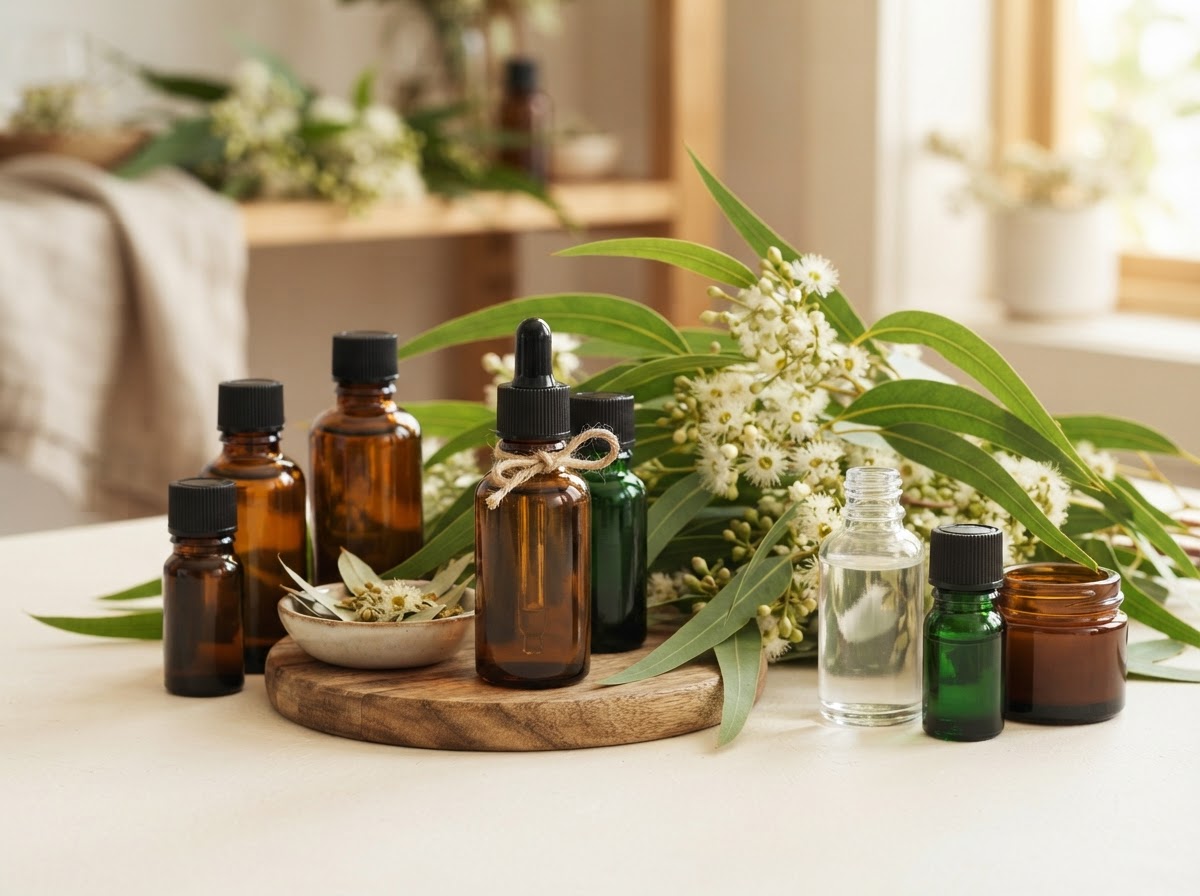
- Corymbia citriodora oil, sometimes labeled Eucalyptus citriodora, distilled from the leaves of the lemon-scented gum tree. This is what most candle makers mean when they ask for lemon eucalyptus oil, and its scent leans green, camphorous, and lemony all at once.
- Lemon eucalyptus fragrance oil, a synthetic blend formulated in a lab to mimic that scent profile, sometimes with real essential oil blended in and sometimes with none at all.
Neither one is automatically the wrong choice for a candle maker. Fragrance oils are engineered for scent throw and can be more predictable in wax. True essential oil gives you a more botanical, less uniform character batch to batch, which some makers want and others find frustrating. What matters for a buying decision is that the listing tells you clearly which one you are getting, and does not blur the line by calling a synthetic blend "pure" or "natural."
Quality Indicators to Check Before You Buy
Once you know you are looking at genuine Corymbia citriodora oil, here is what separates a well-sourced batch from a mediocre one.
Species and Botanical Name on the Label
A listing that only says "eucalyptus oil" without a species name is not giving you enough information. Corymbia citriodora, Eucalyptus globulus, and Eucalyptus radiata all smell different and behave differently in wax. If the botanical name is missing, ask the seller directly or move on.
Extraction Method
Steam distillation is the standard method for this oil, and it should be stated outright. A supplier who cannot tell you how the oil was extracted usually cannot tell you much else about it either.
Country of Origin and Harvest Batch
Most lemon eucalyptus oil on the market traces back to plantations in China, Brazil, or parts of Africa, with smaller volumes from Australia. Origin alone is not a quality guarantee, but a seller who names the growing region and the harvest or lot number is telling you they track their supply chain. A seller who cannot answer "where does this come from" in one sentence is a seller who is reselling someone else's unlabeled bulk stock.
Third-Party Purity Testing
Gas chromatography-mass spectrometry, usually shortened to GC-MS, breaks an oil sample down into its individual chemical components. A supplier that publishes GC-MS results, or provides them on request with a batch number matching the bottle in your hand, has given you a way to verify what you are actually buying rather than trusting the label alone. This is one of the clearest quality indicators available to a buyer who cannot smell-test a dozen suppliers before committing to a wholesale order.
Color and Viscosity
Fresh lemon eucalyptus oil runs pale yellow to nearly colorless and has a thin, watery consistency, not syrupy. Oil that has gone dark or thickened has likely oxidized, which affects both scent accuracy and how it behaves when blended into hot wax.
Key Features to Compare Across Listings
Once you have confirmed a supplier meets the basic quality bar, the next step is comparing listings against each other on the features that actually affect your finished candle. Here is a side-by-side of what to weigh.
| Feature | Why It Matters for Candle Making | What Good Looks Like |
|---|---|---|
| Flash point | Determines how hot your wax can be when you add fragrance without excessive evaporation | Listed explicitly, typically in the 130 to 155 degree F range for this oil |
| Recommended fragrance load | Tells you the starting ratio before you run your own burn tests | A specific percentage range, not just "add to taste" |
| Batch consistency | Repeat orders should smell the same as your first order | Lot numbers and a stated shelf life or best-by window |
| Bottle size options | Testing a new supplier in a 1-ounce bottle is far cheaper than committing to a pound | At least a small sample size and a bulk size available from the same seller |
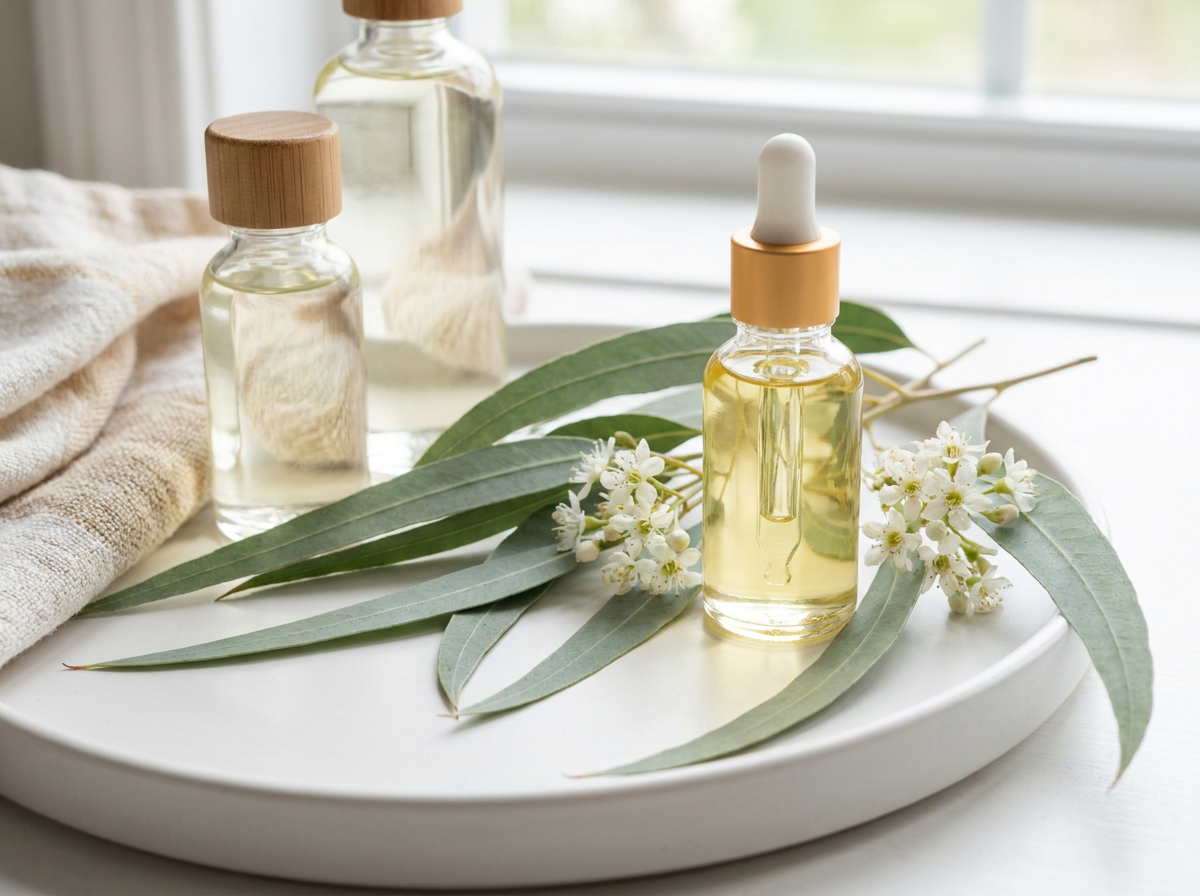
| Packaging | UV exposure degrades essential oils over time | Amber or cobalt glass, not clear bottles |
| Safety data sheet | Needed for proper handling, storage, and shipping documentation | Available as a downloadable SDS, not just a product description |
Lemon Eucalyptus Fragrance Load for Candles
Fragrance load is where most candle makers actually lose money, either by underdosing and getting a candle with no cold or hot throw, or by overdosing and getting a greasy top or a wick that struggles to stay lit. For lemon eucalyptus oil, most soy and coconut wax blends land well within a general fragrance oil range, but because this is an essential oil rather than a formulated fragrance oil, it tends to run lighter before the scent turns sharp rather than fresh.
A few practical starting points for testing:
- Start conservative and scale up in small increments across separate test pours, rather than guessing at a single number and committing a full batch to it.
- Add the oil at the low end of your wax manufacturer's recommended temperature window, since essential oils volatilize faster than synthetic fragrance oils at high heat.
- Let test candles cure for the full recommended period before judging scent throw. Lemon eucalyptus oil's brighter top notes fade fastest, so a candle that smells strong on day one can smell thin by day fourteen if the load was too low to begin with.
- Keep a written log of load percentage, wax type, and wick size for every test. Fragrance load is not portable between wax bases, and what works in soy will not necessarily hold in a coconut-apricot blend.
If a listing refuses to give you any starting percentage at all, that is a sign the seller has not tested their own product in wax, which is worth knowing before you buy in bulk.
Top Picks at Different Price Points
Pricing for lemon eucalyptus oil varies more than most candle-making ingredients, largely because of the purity and sourcing gaps described above. Here is roughly what to expect at each tier, and what you are trading off at each level.
Budget Tier (Under $10 per ounce)
At this price point you are usually buying a blended or partially synthetic product, even if it is labeled as essential oil. It can work fine for hobby-scale candles where consistency matters less, but do not expect GC-MS documentation, a named growing region, or much help from customer service if a batch smells off. Good for testing whether you like the scent profile before investing further.
Mid Tier ($10 to $20 per ounce)
This is where most serious small-batch candle makers land. Look for a named botanical species, a stated extraction method, and at least basic batch tracking. Sunshine Meets Eucalyptus's lemon eucalyptus oil sits in this range and publishes GC-MS results per batch, which is the level of documentation worth holding any mid-tier supplier to before you commit to a standing order.
Premium Tier ($20 and up per ounce)
Premium pricing usually reflects single-origin sourcing, smaller production runs, or additional certifications. Worth it for makers building a product line around traceable, well-documented ingredients, or for anyone selling candles where customers ask sourcing questions directly. Less necessary if you are producing at volume and margin matters more than a single-origin story.
Red Flags to Avoid
A few warning signs consistently correlate with a disappointing bottle, regardless of price:
- No botanical name anywhere in the listing. "Lemon eucalyptus oil" with nothing else is not a specification, it is a guess.
- Suspiciously round, low pricing on a large bottle. A full pound of genuine, well-sourced Corymbia citriodora oil for the price of a budget half-ounce elsewhere usually means heavy dilution or a synthetic substitute.
- Stock photos instead of the actual bottle. Sellers proud of their packaging and labeling show it. Sellers reselling generic drums often do not have a real product photo to show.
- No answer on extraction method or origin when asked directly. A legitimate supplier can answer both in one message. A reseller usually cannot.
- Reviews that only mention scent and never mention performance in wax. If a listing's reviews are all from people using it for other purposes, you have no evidence it behaves well in a candle at all.
- No safety data sheet available. This matters for shipping compliance as much as for your own handling in the workshop.
Where to Buy
For candle makers ordering in any real volume, a few channels tend to work better than others:
- Specialty essential oil suppliers with published testing. These sellers exist specifically to serve makers who need documentation, not just a nice-smelling bottle. Expect to pay mid to premium tier pricing, and expect to actually receive what the label says.
- Direct-from-source or single-origin sellers. Best for makers building a story around traceable ingredients, though minimum order sizes can be higher.
- General marketplaces. Workable for sampling scent before committing, but treat every listing as unverified until you have checked the seller's own site for batch documentation, since marketplace reviews rarely surface sourcing problems.
- Candle-supply specific retailers. Convenient because they already stock wax and wicks compatible with the fragrance load ranges they publish, which saves a round of guesswork on your first order.
Whichever channel you choose, order a small sample size first, run it through an actual test pour, and let the candle cure before judging it. A bottle that smells right in the dropper and a candle that smells right three days after pouring are not always the same thing, and that gap is exactly what a buying guide like this one is meant to help you close before you commit to a full order.
A cosmetic and aromatic product only. This article does not evaluate or claim any health or wellness benefit. Always review a supplier's safety data sheet before handling any essential oil in a workshop setting.