
Case Study: Scenting a Backyard Wedding With Lemon Eucalyptus Candles
When Priya and Marcus started planning their backyard wedding for late August, they had a clear aesthetic in mind: garden-party elegance with a breezy, botanical edge. String lights, wooden farm tables, eucalyptus garlands draped from a cedar pergola. What they had not fully planned for was the scent layer. And once they started thinking about it, they could not stop.
Scent is one of the most underestimated elements of event design. Guests may not consciously register it, but it shapes the entire emotional register of a space. For an outdoor wedding, the challenge is even more pronounced. Open air dilutes everything. Competing smells from a nearby kitchen, a neighbor's grill, or the general green-and-earth scent of a garden can muddy whatever you are trying to create. The couple wanted something that would read as intentional and aromatic without being heavy or perfumey. A friend recommended lemon eucalyptus oil as a starting point.
This case study documents their approach, the choices they made, and what they observed on the day. It is shared here as an educational reference for anyone planning a similar outdoor scent design project.
The Context: Why Outdoor Event Candles Are a Different Problem
Indoor candle scenting is comparatively forgiving. A single well-chosen candle can hold a room. Outdoors, the scent radius collapses. Wind carries fragrance sideways and away before guests can perceive it. Heat from direct afternoon sun can also cause some waxes and fragrance oils to behave unpredictably, either releasing scent too aggressively or causing the wax surface to sweat and separate.
Priya had a rough outdoor footprint of around 2,400 square feet of gathering space, divided into a ceremony area (roughly 600 square feet with rows of chairs facing the pergola), a cocktail zone (an open lawn with scattered bistro tables), and a main reception area (approximately 1,800 square feet of covered-patio and open-garden space combined). Each zone would need its own scent strategy.
The couple also had a practical consideration layered on top of the aesthetic one. Mosquitoes and other flying insects are a fact of late-summer outdoor gatherings, and several guests had mentioned sensitivities to conventional aerosol sprays. They wanted candles that could pull double duty: beautiful, aromatic, and placed strategically to help deter insects from the immediate table environment. Lemon eucalyptus, which contains the naturally occurring compound citronellal alongside the more distinctive eucalyptol, came up in their research as a plant-derived option worth exploring for outdoor use.
Worth noting: this account is focused entirely on the cosmetic and atmospheric dimensions of candle design. Any discussion of plant-derived compounds is framed as informational context, not as a claim about effectiveness.
The Approach: Building a Lemon Eucalyptus Candle Plan
Sourcing the Oil
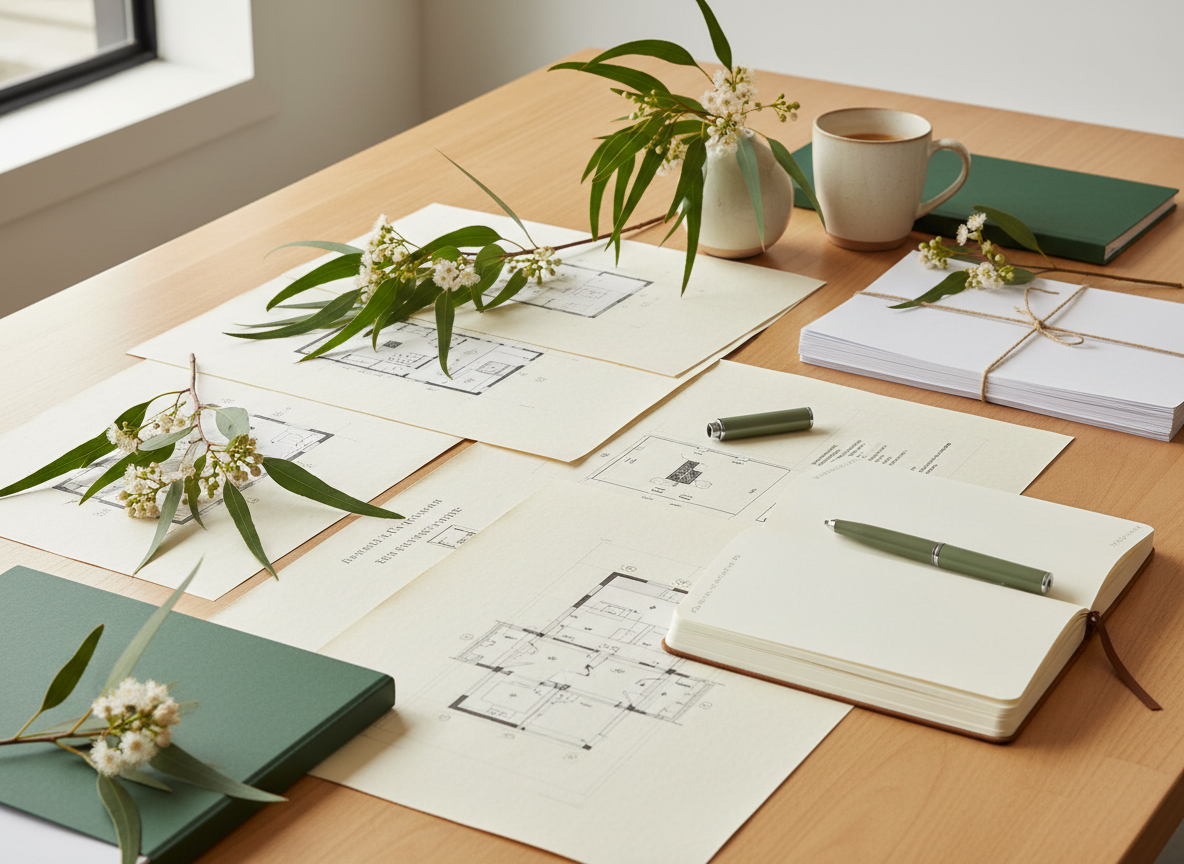
After reading through a number of sourcing guides, including a detailed breakdown on blending with lemon eucalyptus for outdoor-fresh applications, Priya settled on a steam-distilled lemon eucalyptus essential oil from a supplier that provided GC/MS (gas chromatography/mass spectrometry) batch testing results. She chose this route specifically because she wanted verified citronellal content. Many products labeled "eucalyptus" on the market are derived from Eucalyptus globulus, which has a very different aroma profile. True lemon eucalyptus (Corymbia citriodora) has a distinctly softer, more citrus-laced character that she felt suited the warm-weather botanical aesthetic she was going for.
She ordered two four-ounce bottles. One was earmarked for candle fragrance blending. The other was kept as a reserve for topical dilution projects later in the season, handled separately and with appropriate carrier oil dilution ratios.
Wax and Wick Selection
After consulting a local candle supply shop, the couple chose a coconut-soy blend wax for the poured candles. Coconut-soy blends are known for good fragrance throw, a relatively clean burn, and a creamy appearance that suited the wedding aesthetic. They used eight-ounce glass vessels for the table candles and four-ounce tins for perimeter placement around the ceremony chairs.
Wick sizing was determined by test burns conducted six weeks before the wedding. This step is non-negotiable for outdoor candle projects. A wick that performs beautifully indoors may tunnel or produce excess soot when exposed to variable outdoor airflow. The couple ran test burns in their backyard at different times of day to observe flame behavior in light-breeze conditions.
Fragrance Blending
Pure lemon eucalyptus oil can read as quite assertive in high concentrations. Priya found that blending it with a small percentage of cedarwood and a touch of bergamot softened the green sharpness while amplifying the citrus brightness. The final candle fragrance blend used lemon eucalyptus as the dominant note (approximately 60 percent of the fragrance portion), with cedarwood adding a woody base and bergamot lifting the top.
For anyone interested in exploring similar citrus-eucalyptus combinations for diffusers and other formats, the guide to lemon eucalyptus diffuser blends for sunny, citrus-clean atmospheres covers many of the same pairing principles in an adaptable format.
The fragrance load used was 8 percent by weight of the total wax. This is within standard industry guidelines for coconut-soy blends and kept the hot throw present without becoming overwhelming.
Quantity and Placement Strategy
They made 42 eight-ounce table candles and 30 four-ounce perimeter tins. The table candles were clustered in groups of three per farm table, surrounded by fresh eucalyptus cuttings from a local florist. The tins were spaced approximately four feet apart around the ceremony seating perimeter, placed at ground level on flat stones.
One strategic decision: they chose not to light candles in the cocktail zone until guests had moved there from the ceremony. Staggered lighting kept the scent experience fresh rather than monotone across the entire evening.
Observations on the Day

The wedding ran from 4:30 p.m. through approximately 10:00 p.m. Temperatures peaked around 87 degrees Fahrenheit during the ceremony and dropped to the upper sixties by the end of the reception. There was a light intermittent breeze from the southwest.
Ceremony Zone
The perimeter tins performed better than anticipated in the light breeze conditions. Because they were positioned at ground level, the breeze carried fragrance upward and slightly inward toward the seating rather than away from it. Guests seated on the aisle-adjacent chairs were most likely to perceive the scent. Those in the middle rows reported noticing the candles primarily during still moments between breezes.
A few guests commented afterward that the ceremony area smelled "like a garden after rain" and "clean and herbal." These are the kinds of atmospheric impressions that suggest the scent design read as intentional without calling obvious attention to itself.
Reception Tables
The clustered table candles created noticeable scent zones within approximately two to three feet of each table. At the farm tables, where guests were seated closely together, multiple people mentioned the fragrance unprompted. The cedarwood note in the blend appeared to anchor the scent so that it read as warm rather than sharp as the evening cooled.
One practical observation: two of the eight-ounce candles on the table closest to the outdoor kitchen developed minor wax pooling unevenness partway through the evening. This is likely attributable to radiant heat from nearby kitchen equipment affecting the wax temperature. For future reference, candles placed near heat sources benefit from slightly larger wicks or a higher-melt-point wax to compensate.
Insect Presence
This is worth noting carefully. Anecdotal observations from the couple and a few guests suggested that the immediate table areas felt comfortable throughout the evening, with fewer insects noticed near the lit candles than in the unscented lawn zone beyond the reception perimeter. However, this is an informal observation from a single event, not a controlled comparison. Many variables were at play, including the temperature drop, lighting placement, and the presence of a moving crowd. No conclusions about efficacy should be drawn from one evening's experience.
Key Learnings for Future Outdoor Event Candle Projects
Test Burns Are Not Optional
Running test burns outdoors, in conditions similar to the event environment, is the single most valuable preparation step. Wind behavior, ambient temperature, and nearby heat sources all affect candle performance in ways that indoor testing cannot replicate.
Clustering Multiplies Impact
Three candles grouped together at a table created a more perceptible scent experience than a single candle of the same volume would have. For outdoor event candles specifically, grouping is almost always more effective than spacing candles individually across a large area.
Blending Extends the Character
Pure lemon eucalyptus has a distinctive green-citrus sharpness that some people find arresting in high concentrations. Pairing it with a softer base note like cedarwood or sandalwood, and a brightening citrus note like bergamot, creates a more nuanced fragrance arc that suits a social setting. The goal in a multi-hour event is a scent that guests can inhabit for hours without fatigue, not one that makes a strong opening statement and then wears out its welcome.
For a full guide to making your own lemon eucalyptus candles suited to outdoor patio use, including step-by-step instructions and safety notes, see the DIY lemon eucalyptus outdoor candle for patio evenings guide.
Staggered Lighting Creates a Scent Journey
Rather than lighting everything at once, activating different zones at different points in the event gives guests a sense of progression. The ceremony zone smelled different from the cocktail zone, which smelled different again from the reception tables at full candle illumination. This layered approach made the scent design feel dynamic rather than static.
Source Oil With Verified Composition
The difference between a genuine Corymbia citriodora distillate and a mislabeled eucalyptus product is significant in terms of both aroma character and the presence of the naturally occurring compounds that define the oil's profile. GC/MS testing results from a reputable supplier give you the information you need to make consistent, repeatable blends. This matters especially when you are scaling up for an event with dozens of candles and want every one to smell like the others.
A Note on Scaling This Approach
Priya and Marcus's backyard wedding was a mid-sized event by most standards: approximately 80 guests, a defined outdoor footprint, and a single-evening timeline. The principles they developed scale reasonably well to smaller gatherings like garden dinners or engagement parties, where fewer candles and simpler placement logic apply. For larger outdoor events, the candle quantities and placement grid would need significant expansion, and it may be worth working with a professional candle maker or event florist who has outdoor scent experience.
The lemon eucalyptus wedding candle scent this couple landed on drew consistent compliments and contributed to an atmosphere that guests described warmly in notes and messages afterward. Whether the oil, the wax blend, the flickering candlelight, or simply the magic of a summer evening in a beautiful garden deserves the credit is impossible to say. Probably all of it. That is exactly how good scent design works: it disappears into the experience rather than calling attention to itself, leaving people with a feeling they remember but cannot quite name.