Lemon Eucalyptus Myths: What This Oil Is, and What It Is Not
Few essential oils attract as much confusion as lemon eucalyptus. It sits at an interesting crossroads of botany, fragrance, and popular wellness culture, and that position has made it a magnet for misinformation. Some of the most widely repeated lemon eucalyptus myths are surprisingly easy to believe. Others have enough truth woven into them that unpicking the facts takes a little more effort.
This article works through the most common essential oil misconceptions surrounding lemon eucalyptus oil, one by one. For each myth, you will find a clear explanation of what the evidence actually suggests, plus some context for why the confusion exists in the first place.
Myth 1: Lemon Eucalyptus Is Just Eucalyptus With a Lemon Scent Added
The Truth
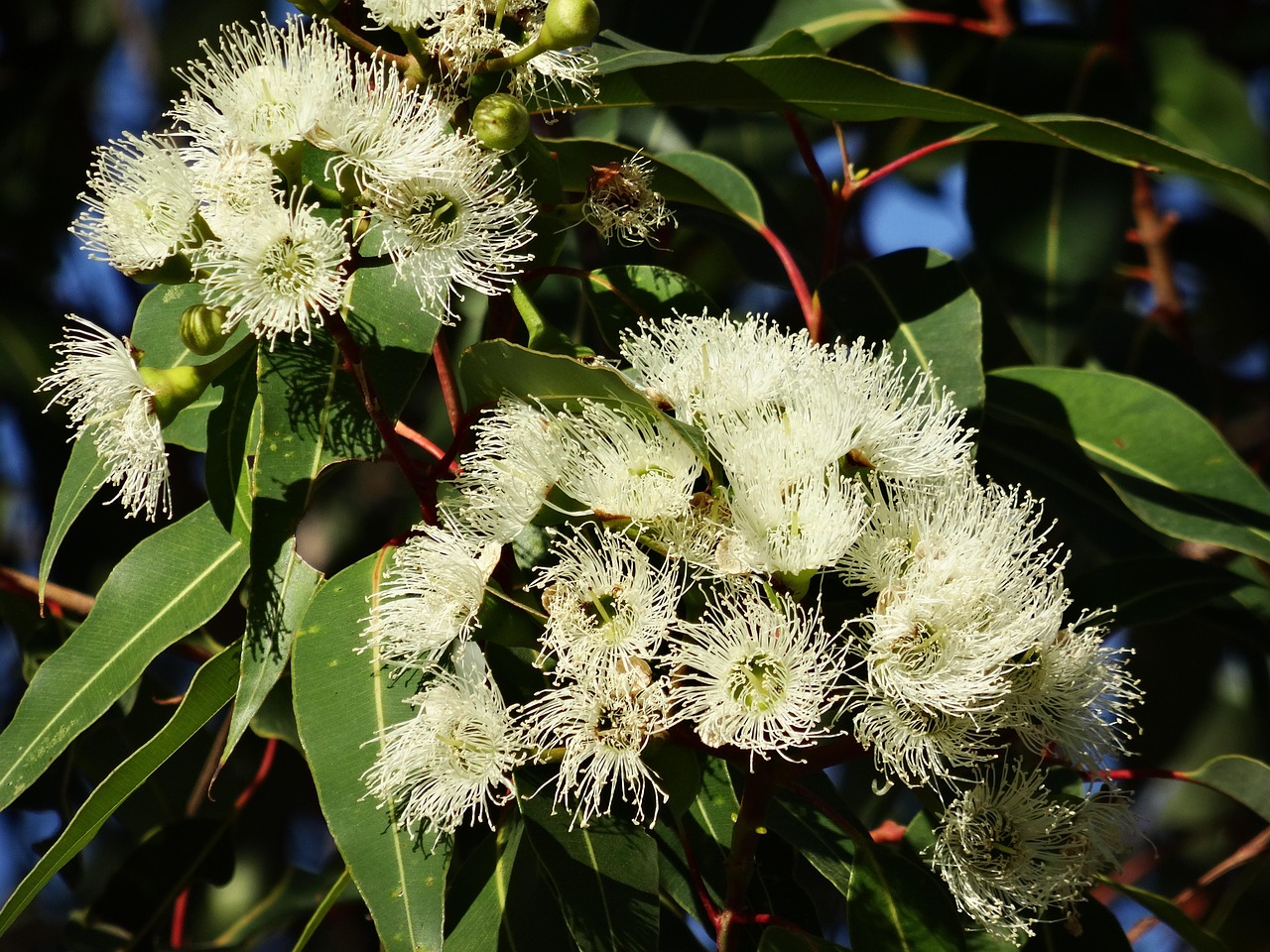
This is probably the most persistent lemon eucalyptus myth, and it is entirely understandable. The name does sound like a blend. But lemon eucalyptus oil comes from a specific botanical species: Corymbia citriodora (formerly classified as Eucalyptus citriodora). This tree produces leaves that are naturally high in citronellal, a compound responsible for its vivid, lemon-like character. No actual lemon is involved anywhere in the process.
Common eucalyptus (Eucalyptus globulus) is a completely different species with a sharply medicinal, camphor-forward profile. The two oils do not smell alike, and they do not share the same chemical composition. Research suggests that the citronellal content in Corymbia citriodora leaf oil can reach 80 percent or higher, which explains the intensity of its citrus impression.
You can read more about the botanical origins and chemistry in the complete guide to lemon eucalyptus oil.
Why the Myth Exists
The word "lemon" in the name does most of the work here. Consumers familiar with lemon verbena, lemon balm, or lemon myrtle naturally assume the same logic applies. Add in the fact that some blended products do combine citrus and eucalyptus notes artificially, and the confusion becomes almost inevitable.
Myth 2: Lemon Eucalyptus Oil and "OLE" Are the Same Product
The Truth
This distinction matters, and it is one of the more consequential lemon eucalyptus facts to understand clearly. OLE stands for oil of lemon eucalyptus, which is a refined, processed extract derived from Corymbia citriodora leaves. OLE is not the same as the steam-distilled essential oil.
OLE undergoes additional processing to concentrate a compound called PMD (para-menthane-3,8-diol). The resulting product belongs to a different regulatory and formulation category entirely. Evidence indicates that OLE is evaluated under frameworks that do not apply to the unrefined essential oil.
Steam-distilled lemon eucalyptus essential oil, the kind discussed throughout this site, is a botanical aromatic product. It is not processed to concentrate PMD in the same way. The two products may share a parent plant, but they diverge significantly after that point. Confusing them leads people to apply claims about one to a completely different substance.
Why the Myth Exists
Regulatory documents and popular wellness articles frequently use the names interchangeably. That shorthand, though convenient, collapses an important distinction. Anyone researching lemon eucalyptus online will encounter both terms in the same search results, which naturally blurs the boundary.
Myth 3: All Lemon Eucalyptus Oils Smell the Same

The Truth
Scent variation in lemon eucalyptus essential oil is more significant than most people expect. The aroma depends heavily on where the trees were grown, when the leaves were harvested, and how the distillation was conducted. Evidence indicates that altitude, soil composition, and seasonal timing all influence the final citronellal content, which in turn shapes the character of the scent.
Oils from Brazil, China, Australia, and Madagascar are all commercially available, and they can differ noticeably. Some lean sharper and more camphoraceous. Others feel softer, almost floral, with the lemon note sitting further back. A high-citronellal oil from a well-managed distillation will smell quite different from a lower-quality product where the citronellal has degraded or where the raw material was harvested past its peak.
If you want to understand these nuances more deeply, the scent profile article breaks down the aromatic layers in detail.
Why the Myth Exists
Essential oils are often discussed as if they are standardized pharmaceutical ingredients with fixed properties. They are not. They are agricultural products, and every variable in the growing and production process contributes to the final result. This is also why sourcing transparency matters so much when choosing a supplier.
Myth 4: Lemon Eucalyptus Is Unsafe for Skin
The Truth
The origins of this myth are not baseless, which is what makes it worth addressing carefully. Undiluted lemon eucalyptus oil, like virtually all essential oils, should not be applied directly to skin. Citronellal can cause sensitization reactions in some individuals, particularly at higher concentrations or with repeated undiluted exposure.
However, evidence indicates that properly diluted lemon eucalyptus oil is widely used in cosmetic formulations, including body care products, hair preparations, and aromatic blends. Standard cosmetic dilution guidelines suggest working at around 0.5 to 1 percent in leave-on products, with patch testing recommended before broader use.
The International Fragrance Association (IFRA) has published guidelines on citronellal in fragrance applications, which responsible formulators follow. A well-formulated product using lemon eucalyptus oil is a different proposition from applying the undiluted essential oil to skin.
Safety note: Always dilute lemon eucalyptus oil in an appropriate carrier oil before skin application. Conduct a patch test on a small area of skin and wait 24 hours before wider use. Keep all essential oils away from children and pets. If you have sensitivities or are pregnant, consult a qualified healthcare provider before use.
Why the Myth Exists
Blanket warnings about eucalyptus oils circulate widely online, and they often do not distinguish between species, concentration levels, or formulation contexts. One legitimate caution about undiluted use gets generalized into a claim that the entire oil category is dangerous for skin.
Myth 5: Lemon Eucalyptus Oil Is a Modern Wellness Trend

The Truth
Lemon eucalyptus facts often surprise people who assume the oil is a recent discovery riding the wellness wave. Corymbia citriodora has a long history in traditional contexts across the regions where it grows natively, particularly in Australia and parts of Southeast Asia. The leaves were used in various aromatic and practical applications well before the essential oil industry developed its current form.
Commercial distillation of lemon eucalyptus oil expanded significantly through the twentieth century, driven partly by interest in its citronellal content and its role in fragrance manufacturing. It has been a recognized ingredient in perfumery and cosmetics for decades, not a newcomer. Research into its composition dates back many years in the scientific literature.
The recent surge in consumer interest reflects broader trends in natural fragrance and botanical beauty rather than the oil's actual newness.
Why the Myth Exists
Many essential oils that have existed in professional and traditional contexts for a long time experience a kind of mainstream "discovery" moment when wellness culture shifts. That moment of visibility gets mistaken for origin. The oil was always there; the audience simply grew.
Myth 6: The Distillation Process Destroys What Makes the Oil Valuable
The Truth
Steam distillation is precisely what makes lemon eucalyptus essential oil what it is. The process uses steam to move volatile aromatic compounds out of the plant material and into a collection vessel, where they separate from the water and are captured as oil. Far from destroying the oil's character, quality distillation is what preserves and concentrates it.
Research suggests that the key variables in steam distillation (temperature, pressure, duration, and the condition of the plant material) all affect the final aromatic profile. Skilled distillers adjust these variables to protect the delicate citronellal content and the lighter top notes that give the oil its brightness.
You can learn exactly how this process works in the detailed article on steam distillation of lemon eucalyptus oil.
Why the Myth Exists
Heat, in a general sense, does degrade plant compounds. That accurate observation sometimes gets applied incorrectly to distillation, which uses controlled, relatively brief steam exposure rather than prolonged cooking. Cold-press extraction (used for citrus peel oils) gets positioned as inherently superior, which leads some people to assume that any steam-processed oil has lost something important. For lemon eucalyptus leaf oil, steam distillation is the appropriate and well-established extraction method.
A Note on Where These Myths Come From

Essential oil misconceptions rarely emerge from nowhere. Most have a thread of something real running through them: a genuine caution that got overstated, a naming convention that creates confusion, or a legitimate distinction between product types that got lost in translation. Understanding the source of a myth is often as useful as correcting it, because it points toward the questions worth asking when you encounter a new claim.
When you read something about lemon eucalyptus oil, it is worth asking: which product specifically is being discussed? Which species? What concentration? What context? Those questions will take you further than any single article, including this one.
The Clearest Lemon Eucalyptus Facts
| Myth | Fact |
|---|---|
| It is eucalyptus blended with lemon | It comes from a single species, Corymbia citriodora, with naturally citrus-like leaves |
| Lemon eucalyptus oil and OLE are the same | OLE is a refined, processed extract; essential oil is steam-distilled and unrefined |
| All lemon eucalyptus oils smell identical | Scent varies by origin, harvest timing, and distillation quality |
| It is unsafe for skin | Properly diluted and formulated, it is widely used in cosmetics; always dilute and patch test |
| It is a modern wellness trend | It has a long history in traditional use and decades of commercial distillation |
| Steam distillation destroys its value | Quality steam distillation is what captures and concentrates the oil's aromatic compounds |
Approaching Lemon Eucalyptus With Clarity
Lemon eucalyptus is a genuinely interesting botanical ingredient with a distinctive character, a specific identity, and a real place in fragrance and cosmetic formulation. It does not need exaggeration to be worth knowing about. The facts, once the myths are cleared away, are already compelling on their own.
Good sourcing, proper dilution, and honest labeling matter far more than any inflated claim. When you know what you are actually working with, you can make better choices about how and whether to use it.