
Wholesale Lemon Eucalyptus Oil: Bulk Sizes for Candle and Soap Makers
If your candle or soap production is growing, you already know that buying a handful of 10ml bottles at retail prices is not a long-term strategy. Sourcing wholesale lemon eucalyptus oil in bulk changes your cost structure, gives you consistency across batches, and lets you build a reliable scent profile your customers will recognize. This guide walks through everything you need to evaluate before placing a large order: quality markers, size options, supplier types, pricing tiers, and the warning signs that suggest a supplier is worth skipping.

Why Lemon Eucalyptus Is a Smart Choice for Makers
Lemon eucalyptus oil occupies a genuinely useful scent space. It opens with a bright, citrus-forward note and settles into the cool, slightly camphoraceous character that comes from its eucalyptus base. For candle makers, that balance reads as clean and outdoorsy without veering into clinical or sharp territory. For soap formulation, the top notes survive a cold-process cure reasonably well, especially when you anchor the blend with a complementary essential oil or fragrance stabilizer.
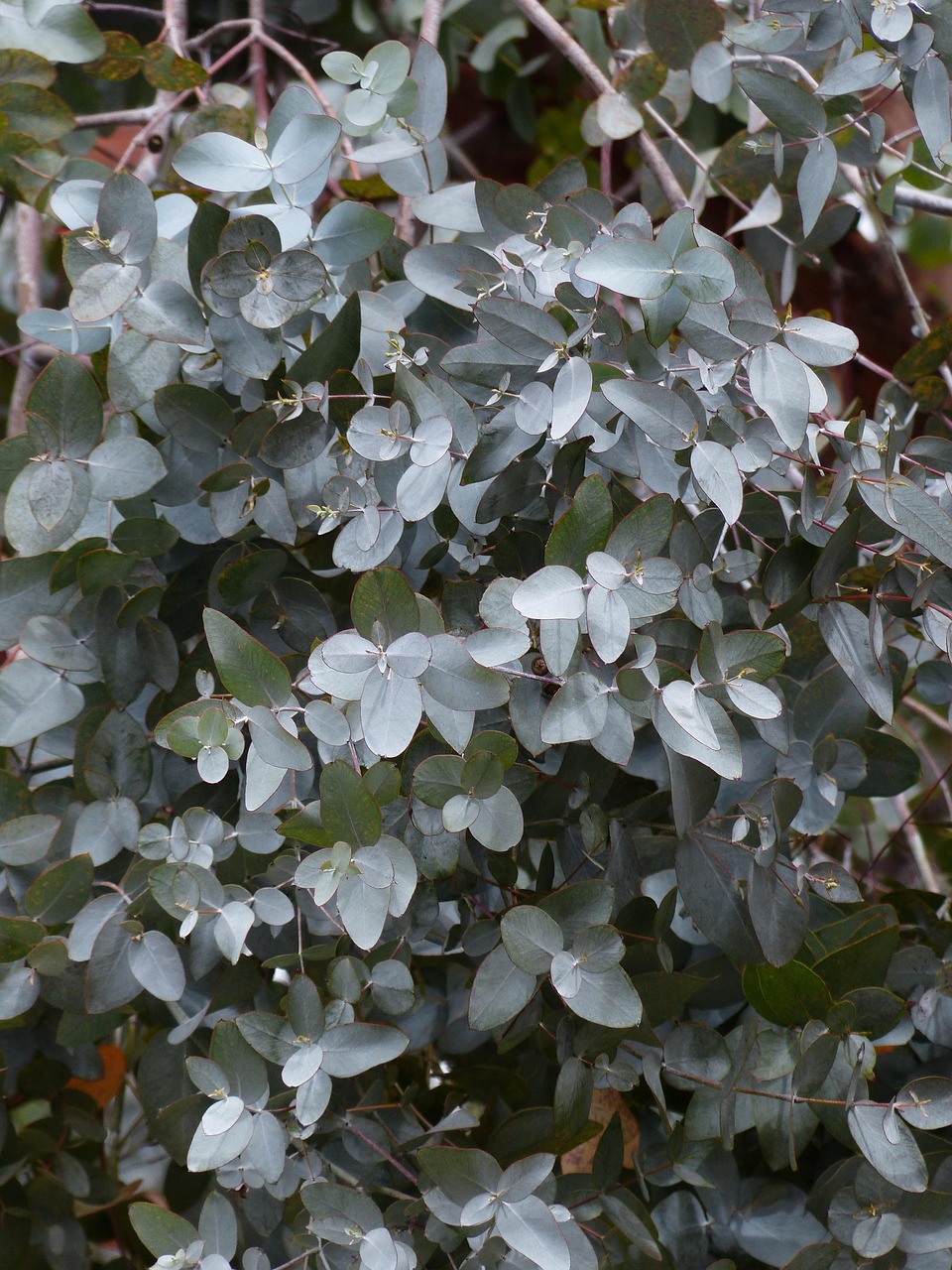
The oil is steam-distilled from the leaves and twigs of Eucalyptus citriodora, a species native to northeastern Australia and now cultivated commercially across Brazil, China, and South Africa. Sourcing region matters for scent profile, so keep that in mind when comparing suppliers.
Quality Indicators: What to Look For Before You Buy
Bulk purchasing amplifies both good and bad decisions. A quality shortcut that barely shows in a small test batch becomes obvious across 500 candles. Use these markers to pre-screen any lemon eucalyptus supplier before committing to volume.
GC/MS Testing
Gas chromatography/mass spectrometry (GC/MS) testing breaks down the chemical composition of a batch. Reputable suppliers provide batch-specific GC/MS reports, not generic reference sheets. Look for high citronellal content, typically above 65 percent in quality specimens, with citronellol and isopulegol as secondary components. A supplier that cannot or will not share this data is worth approaching with caution. For a deeper look at how to read these reports, see our complete quality guide to buying lemon eucalyptus oil.
Country of Origin and Distillation Details
Brazilian and Chinese-sourced oils currently dominate the bulk market. Brazilian material tends to carry a softer, rounder citrus character. Chinese-sourced oils can be more variable but are often priced lower, making them common in budget-tier wholesale. South African production is smaller but sometimes offers notably bright top notes. Ask suppliers for specific origin data, not just a continent.
Distillation date matters too. Essential oils are not shelf-stable forever. Fresh-distilled lemon eucalyptus holds its scent complexity far better than material that has sat in a warehouse for two or three years.
Packaging and Storage Conditions
Bulk oil shipped in low-quality plastic or clear glass is a red flag. UV light and oxygen degrade the aromatic compounds quickly. Look for dark amber glass or food-grade HDPE containers with tight seals. Ask about storage conditions during transit, particularly in summer months if the supplier is shipping across warm climates.
Certifications Worth Noting
- ISO 9001: General quality management, signals organized production processes.
- IFRA compliance: International Fragrance Research Association guidelines matter if you are selling finished products.
- Organic certification: Relevant if your brand positions around natural or certified-organic formulations. Expect a price premium.
- Kosher or Halal: Relevant for specific market positioning, not a quality indicator per se.
Bulk Size Options and What They Mean for Your Operation
Wholesale lemon eucalyptus oil is typically available in several standard size tiers. Choosing the right one depends on your monthly usage, storage capacity, and cash flow.
| Size | Typical Use Case | Approximate Price Range (USD) |
|---|---|---|
| 500ml (1 lb) | Small batch makers testing a new supplier | $18 to $30 |
| 1 kg (approx. 1L) | Cottage production, regular restocking | $30 to $55 |
| 5 kg | Growing studios, seasonal product lines | $120 to $200 |
| 25 kg (drum) | Established producers, white-label brands | $450 to $700 |
| 200 kg (barrel) | Manufacturers, large-scale wholesale buyers | Negotiated per contract |
Pricing ranges above reflect general market conditions and vary by origin, certification, and supplier type. If you are still figuring out how much volume you actually need, our guide on choosing the right size for your first order walks through that calculation in detail.
Where to Source Bulk Lemon Eucalyptus Oil
There are three main supplier categories, each with distinct trade-offs.
Domestic Specialty Suppliers
Companies based in the US, UK, or EU that import and redistribute essential oils in bulk. They typically offer strong documentation, English-language customer support, and reliable shipping timelines. Prices are higher than direct import but the purchasing process is far simpler. Examples include New Directions Aromatics, Jedwards International, and a number of smaller specialty houses. Most will require a minimum order, often starting around 1 kg.
Direct Import from Origin Countries
Sourcing directly from distilleries or export agents in Brazil, China, or South Africa is the most cost-effective route at scale, but it requires due diligence. Language barriers, longer lead times, import duties, and quality consistency issues are all real factors. Platforms like Alibaba connect buyers to exporters, but vetting is essential. Request samples before placing any bulk order and verify GC/MS reports independently if possible.
Online Wholesale Platforms
Platforms such as Bulk Apothecary, Plant Therapy (wholesale program), and Essential Wholesale cater to small and mid-size makers. These are practical for orders in the 500ml to 5 kg range without the complexity of international purchasing. For a broader look at reputable online sources, our article on where to buy lemon eucalyptus oil online covers current options across price points.
Top Picks at Different Price Points
Rather than naming specific products that may go in and out of stock, here is a framework for evaluating options at each tier.
Budget Tier (Under $40 per kg)
At this price, you are most likely looking at Chinese-origin material or older stock. It can absolutely work for candle making where some of the nuance of a premium oil is less critical than in, say, a fine fragrance. Confirm the GC/MS report, check the distillation date, and order a sample before committing to larger quantities. Batch consistency can vary, so always run a scent check on new stock before blending it into production.
Mid-Range Tier ($40 to $80 per kg)
This is where most craft producers find their footing. Brazilian-origin oil with solid documentation tends to land here. Suppliers at this tier are more likely to provide detailed batch records and responsive customer service. If you are building a brand around natural ingredients, mid-range sourcing gives you credibility without the overhead of premium pricing.
Premium Tier ($80 and above per kg)
Premium pricing typically reflects certified-organic status, a specific single-origin provenance, or exceptional GC/MS profiles with high citronellal purity. For soap makers positioning products in the natural or artisan market, the origin story and certification documentation that comes with premium material can justify the cost in marketing terms. The scent profile at this tier often carries more complexity and longevity in the finished product.
Red Flags to Avoid
Wholesale purchasing at volume means a bad decision costs more than a bad retail buy. Watch for these warning signs.
- No GC/MS data available. Any serious essential oil supplier can produce batch-specific testing. If they deflect this request, move on.
- Unusually low pricing. Genuine lemon eucalyptus oil has a real production cost. Prices dramatically below market often indicate adulteration with synthetic citronellal or dilution with a carrier.
- Vague origin labeling. "Australia" or "natural source" without a specific country and region tells you nothing useful about the material.
- No sample policy. Reputable wholesale suppliers offer samples or small test quantities before large orders. Reluctance to do so is worth noting.
- Generic or undated documentation. A certificate of analysis from three years ago does not reflect the batch sitting in a warehouse today.
- Pressure to commit quickly. Urgency tactics around bulk orders are common in lower-quality distribution channels. Quality suppliers let their documentation do the convincing.
Practical Tips for Managing Bulk Inventory
Once your order arrives, how you store it determines how long it stays usable.
- Transfer any material that arrives in large drums or bulk containers into smaller amber glass or HDPE bottles as needed. Minimize headspace by using containers sized close to your working quantity.
- Store away from direct light and heat. A cool, dark cabinet or a temperature-controlled storage room is ideal.
- Label every container with the batch number, supplier, distillation date, and your own receipt date. This matters for quality control and for tracing any issues back to a specific lot.
- Rotate stock. Use older material before newer batches. First in, first out.
- Keep a small reference sample from each batch sealed and labeled. If a customer raises a question about a product lot, having the original oil available for comparison is invaluable.
Comparing Suppliers: A Quick Reference Checklist
Before placing a bulk order with any lemon eucalyptus supplier, run through these questions:
- Can they provide a batch-specific GC/MS report?
- Is the country of origin and distillation date documented?
- Do they offer samples before bulk commitment?
- What is their minimum order quantity and can it scale?
- How is the oil packaged for shipping (container type, sealing)?
- Do they carry relevant certifications for your market (organic, IFRA)?
- What is their return or quality dispute policy?
- How long have they been operating and can they provide references?
Building a Long-Term Supplier Relationship
The best bulk sourcing is not a series of one-off transactions. When you find a supplier whose documentation is solid, whose scent profile matches your formulations, and whose customer service holds up under questions, invest in that relationship. Communicate your usage volumes honestly. Ask about price breaks at higher quantities. Inquire about new stock arrivals and distillation seasons. Suppliers who know you as a reliable buyer will often flag quality lots early and accommodate your scheduling needs.
Sourcing bulk lemon eucalyptus at the right quality and price takes some upfront research, but once you have a trusted supplier in place, your production planning becomes significantly more predictable. That predictability, across scent consistency, pricing, and availability, is what separates a sustainable maker operation from one that is constantly firefighting supply issues.
Start with a sample. Verify the documentation. Scale up once you have confidence in the material. Your finished products, and your customers, will reflect that care.