How to Spot Quality Lemon Eucalyptus Oil Before You Pay
Shopping for pure lemon eucalyptus oil can feel surprisingly complicated. The category sits at a crossroads of botanical cosmetics, aromatherapy, and candle-making, which means shelves (physical and digital) fill quickly with products that range from genuinely excellent to barely passable. Knowing what separates one from the other saves you money, frustration, and the lingering scent of something that smells nothing like the bright, camphoraceous citrus you expected.
This guide walks through every meaningful quality signal: what to read on a label, what questions to ask a supplier, and which price points actually correspond to real quality. If you want deeper background on sourcing and certification standards, the complete quality guide to buying lemon eucalyptus oil is worth a read alongside this one.

What You Are Actually Buying (and Why It Matters)
Lemon eucalyptus oil comes from Corymbia citriodora, a tall Australian eucalyptus species with naturally high levels of citronellal. That compound is responsible for the distinctive lemony, slightly minty scent profile that distinguishes it from common eucalyptus (Eucalyptus globulus). The two plants are unrelated in all practical senses, even though marketing sometimes blurs the line.
Pure lemon eucalyptus oil should be a steam-distilled or cold-pressed extract of C. citriodora leaves. That is it. No carriers, no synthetics, no blending with cheaper oils. When that purity is compromised, you are looking at essential oil adulteration, a widespread issue in the broader fragrance and botanical oil industry.
Understanding the plant and the extraction method is step one. Everything else on this list follows from it.
Quality Indicators: What to Look for Before You Click Buy
1. Latin Name on the Label
A trustworthy bottle names the species. Look for Corymbia citriodora or the older synonym Eucalyptus citriodora. A label that says only "lemon eucalyptus" without a Latin name is vague by design. Vagueness, in this category, is rarely accidental.
2. Country of Origin
The highest-regarded sources for C. citriodora oil are Australia, Brazil, China, and India. Each produces a slightly different aromatic profile due to climate and soil variation. Australian-origin oils tend to carry a premium and are often prized for their cleaner, more nuanced citrus note. Brazilian and Indian sources can be excellent quality at lower price points. What matters is that the country is stated at all. If a supplier cannot tell you where the oil was distilled, that is a gap worth noticing.
3. GC/MS Testing (Gas Chromatography/Mass Spectrometry)
A GC/MS report is a chemical fingerprint of an oil. It shows exactly which compounds are present and in what concentrations. For lemon eucalyptus oil, citronellal should typically comprise 65 to 85 percent of the composition, with supporting amounts of citronellol and isopulegol. Reputable brands publish these reports or make them available on request. If a company deflects this question, shop elsewhere.
4. Batch-Specific Lot Numbers
Lot numbers connect a bottle to a specific harvest and distillation run. This matters for consistency and traceability. Brands that test every batch (not just periodic samples) and tie those results to printed lot numbers are operating at a higher standard of transparency.
5. Packaging
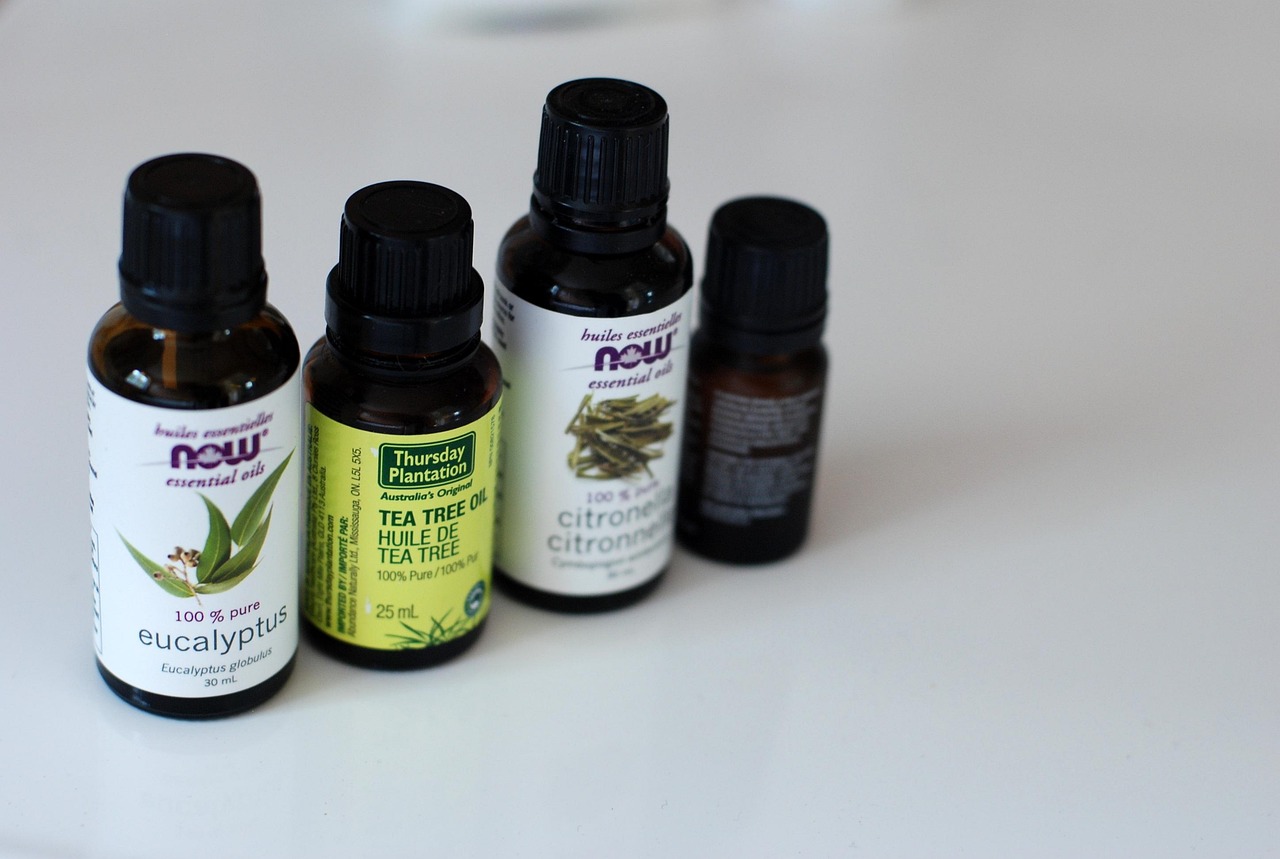
Quality oils belong in amber or cobalt blue glass. UV light degrades volatile compounds over time, and plastics can leach into concentrated botanical extracts. A plastic bottle is not an automatic disqualifier for very inexpensive, high-volume products, but it is something to factor into your assessment of overall quality commitment.
6. Smell Before You Commit (When Possible)
If you are buying in person, open the tester. Pure lemon eucalyptus oil has a bright, sharp, citrusy opening with a cool, camphoraceous middle note. It is lively and a little green. Synthetic versions often smell flatter, sweeter, or oddly perfumey. Extended wear on a scent strip reveals the dry-down: pure oil fades cleanly, while adulterated blends can leave an odd, waxy or chemical undertone.

Key Features to Compare Across Brands
| Feature | What Strong Looks Like | What Weak Looks Like |
|---|---|---|
| Botanical ID | Full Latin name printed on label | "Lemon eucalyptus" only |
| GC/MS Testing | Batch-specific, publicly available | Absent or only "tested" claimed |
| Origin | Country and region named | "Imported" or no information |
| Packaging | Dark glass with orifice reducer | Clear plastic, loose cap |
| Ingredient list | Single ingredient: C. citriodora oil | Multiple unlisted additives |
| Customer support | Answers sourcing questions directly | Generic responses, no specifics |
Price Tiers: What You Can Expect to Pay

Price is one of the most useful proxies for quality, though it is not a perfect one. Understanding the tiers helps you calibrate expectations before you buy. For a fuller breakdown of fair market pricing, the lemon eucalyptus oil price guide covers this in detail.
Budget Tier: Under $10 for 10 ml
At this price point, you are likely looking at high-volume, mass-market production. The oil may be genuine but is often sourced from the cheapest available lot, with minimal testing transparency. Fine for casual diffuser use where absolute purity is less critical. Not ideal for skin-safe formulations or professional aromatherapy blending.
Mid-Range: $12 to $25 for 10 ml
This is where most reputable small and mid-size essential oil brands operate. You should reasonably expect GC/MS data, clear origin labeling, and proper glass packaging. Several well-regarded brands in this tier source from Australia or Brazil and provide accessible batch reports. This is the sweet spot for most home users and small-batch formulators.
Premium: $25 and Above for 10 ml
Premium pricing often reflects certified organic sourcing, smaller-batch distillation, or direct-trade relationships with farms. The aromatic quality can be noticeably superior, with more complexity and a longer scent life. Worth the investment for perfumers, high-end candle makers, or anyone developing a signature product where the oil's character carries significant weight.
Bulk and Wholesale Pricing
If you are sourcing for candle production, soap making, or blending at scale, per-milliliter cost drops substantially at higher volumes. This opens up different purchasing considerations around storage, shelf life, and supplier reliability. The guide to wholesale lemon eucalyptus oil in bulk sizes for candle use covers what to watch for when ordering at that scale.
Red Flags: Signs of Essential Oil Adulteration
Essential oil adulteration is more common than most buyers realize. The practice ranges from dilution with cheaper carrier oils to outright substitution with synthetic fragrance compounds. Here is what should give you pause.
- No Latin name on the label. This is the single fastest red flag to spot. A brand serious about purity names the plant.
- "Fragrance oil" language buried in copy. Fragrance oils are synthetic blends designed to mimic natural scents. They are not essential oils. The terms should never be used interchangeably, but some listings conflate them deliberately.
- Unusually low price for a large volume. A 30 ml bottle of pure C. citriodora oil listed for three dollars is almost certainly not what it claims to be. Distillation has real costs.
- "Blended with" language without disclosure. If a product says it is blended but does not list all ingredients, you cannot know what you are applying or diffusing.
- Oily residue on paper. Pure essential oils evaporate cleanly from a scent strip or paper within minutes to hours. A greasy, persistent residue often signals a carrier oil has been added without disclosure.
- Identical scent across a brand's entire eucalyptus line. Different eucalyptus species smell different. If a brand's lemon eucalyptus, blue eucalyptus, and globulus all smell interchangeable, the sourcing deserves scrutiny.
- No way to contact the company. A legitimate brand has a real address, a customer service channel, and people who can answer questions about sourcing. Anonymous storefronts on third-party marketplaces require extra caution.
Where to Buy Pure Lemon Eucalyptus Oil
Specialty Aromatherapy and Natural Products Retailers
Dedicated essential oil retailers, both online and brick-and-mortar, typically curate their inventory with quality in mind. Staff can often answer sourcing questions directly, and return policies are usually more accommodating when a product does not meet expectations.
Direct from Distillers or Brand Websites
Buying directly from a brand's own website gives you the most reliable access to batch testing data, and often allows you to ask questions before purchase. Brands with strong quality commitments tend to make their GC/MS reports findable with minimal effort, sometimes accessible by lot number through the site.
Third-Party Marketplaces
Platforms like Amazon carry excellent products alongside questionable ones, sometimes listed side by side with nearly identical copy. The key is to evaluate the brand independently, not the platform. Look for the same quality signals described above: Latin name, origin, test data. Do not rely solely on star ratings, which can be gamed.
Health Food Stores and Co-ops
These retailers often carry a small but curated selection from brands with reasonable quality commitments. Selection is limited, but the vetting is sometimes more reliable than open-marketplace listings.
A Quick Pre-Purchase Checklist
- Does the label include the Latin name Corymbia citriodora?
- Is the country of origin clearly stated?
- Is GC/MS testing available for this specific batch?
- Is the oil packaged in dark glass?
- Does the ingredient list show only the pure oil, with no undisclosed additives?
- Is the price within a reasonable range for genuine essential oil?
- Can you reach a real person at the company with sourcing questions?
Running through this list before purchase takes about three minutes and filters out the majority of problematic products. Pure lemon eucalyptus oil from a careful source is genuinely worth seeking out. Its scent profile is distinct, complex, and difficult to replicate well synthetically. When you find the real thing, you will know it.
Patch test reminder: Before using any essential oil on skin, always dilute properly in a suitable carrier oil and perform a patch test on a small area of skin. Individuals with sensitivities, those who are pregnant or nursing, and parents of young children should consult a qualified healthcare provider before use.