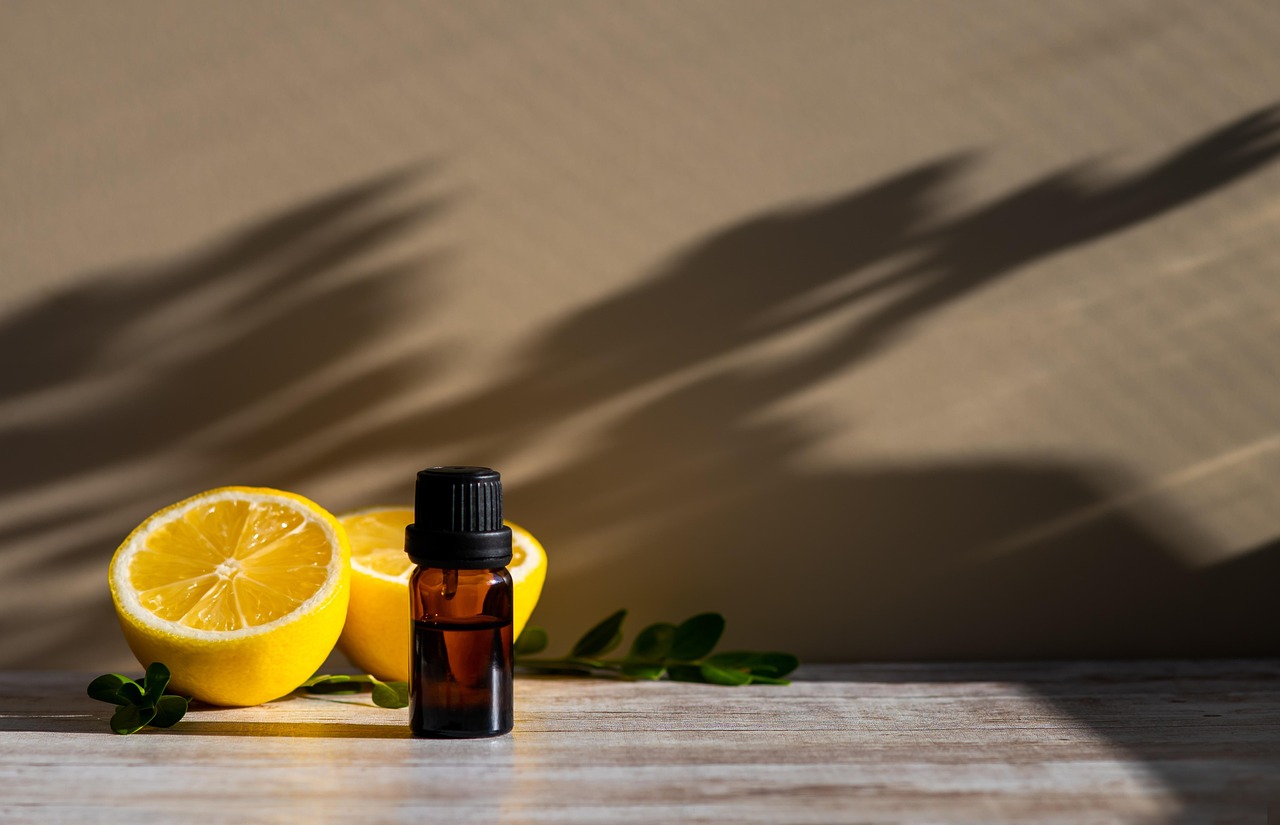
Lemon Eucalyptus vs Lemongrass Oil: Which Bright Note Do You Want?
Both oils open with a surge of green-citrus brightness, and from across a room, a diffuser running either one might fool even an attentive nose. Get closer, though, and the two diverge sharply. Lemon eucalyptus carries a cool, almost mentholated lift that grounds the citrus in something distinctly botanical. Lemongrass leans warmer, grassier, and more tropical, with a lemony edge that reads closer to lemon verbena than to anything from the eucalyptus family.
If you are choosing between these two lemon-scented oils for your home, your blending practice, or your personal care routine, a side-by-side look at their characters, sourcing, and best applications will save you from a purchase you later regret. This guide gives you that comparison, clearly and without hype.
Where Each Oil Comes From
Lemon Eucalyptus Oil
Lemon eucalyptus oil is steam-distilled from the leaves and twigs of Eucalyptus citriodora, a tall eucalyptus native to northeastern Australia that is now cultivated widely in Brazil, China, and parts of Africa. The name is botanical, not a blending trick: the tree genuinely produces a high concentration of citronellal, the compound responsible for its lemon-like scent. A quality distillate will list Eucalyptus citriodora as its source. If you see just "eucalyptus oil" or a blend of eucalyptus and lemon, you are looking at a different product entirely.
Sourcing matters considerably for this oil. Distillation conditions, harvest timing, and geographic origin all shift the citronellal percentage and the overall aromatic profile. Our complete quality guide to buying lemon eucalyptus oil covers what to look for before you commit to a bottle.
Lemongrass Oil
Lemongrass oil is steam-distilled from the long, fibrous leaves of Cymbopogon citratus or Cymbopogon flexuosus, both tall grasses grown across tropical Asia, India, and Central America. Its dominant compound is geranial and neral (collectively called citral), which produce a sharp, intensely lemony scent with warm, slightly earthy undertones. C. flexuosus (East Indian lemongrass) generally yields a higher citral content and a brighter top note; C. citratus (West Indian lemongrass) can read earthier and slightly softer.
Lemongrass is one of the most widely produced essential oils globally, which makes price points accessible. That accessibility also means there is room for adulteration with synthetic citral, so sourcing from suppliers who share GC/MS (gas chromatography/mass spectrometry) data is still worthwhile.
Head-to-Head Comparison Table
| Attribute | Lemon Eucalyptus | Lemongrass |
|---|---|---|
| Botanical source | Eucalyptus citriodora | Cymbopogon citratus or C. flexuosus |
| Dominant compounds | Citronellal, citronellol | Citral (geranial + neral) |
| Scent character | Cool, crisp, lemon-forward with a mentholated lift | Warm, sharp, grassy lemon with tropical depth |
| Scent longevity (diffusion) | Medium; top-to-middle note | Medium-high; powerful top note that lingers |
| Typical price range | Moderate to moderately high | Low to moderate |
| Skin dilution guidance | 1% or below for most applications; patch test essential | 0.7% maximum per IFRA guidelines; sensitization risk is real |
| Blending personality | Integrates smoothly; lifts florals, softens woods | Strong; can overpower; best used sparingly in blends |
| Common cosmetic uses | Body lotions, room sprays, hair care, candle scenting | Soaps, foot scrubs, candles, diffuser blends |
| Sourcing complexity | Moderate; verify E. citriodora on label | Widely available; watch for synthetic citral adulteration |
Scent Profile: The Real Difference

The lemon eucalyptus vs lemongrass question is really a question of temperature. Lemon eucalyptus smells cool. It has a freshness that feels clean and slightly medicinal in a botanical sense, not a clinical one. The mentholated character comes from trace quantities of eucalyptol present even in E. citriodora distillates, though in far lower concentrations than you would find in standard eucalyptus oils. The overall effect is bright and airy.
Lemongrass smells warm. The citral compounds that define its profile are the same ones found in lemon myrtle and lemon verbena, and they carry a sharper, more intense lemon quality that can border on lemony candy at high concentrations. It also has a green, almost hay-like base note that anchors the brightness in something earthy and tropical. Neither scent is better. They serve different moods and different rooms.
Pros and Cons
Lemon Eucalyptus: Pros
- Nuanced, layered scent that blends elegantly without bulldozing other notes
- Well-suited to personal care products where a fresh, clean quality is the goal
- Distinct botanical character that lemongrass cannot replicate
- Pairs beautifully with lavender, cedarwood, bergamot, and geranium
Lemon Eucalyptus: Cons
- Higher price point than lemongrass in most markets
- Label confusion is common; requires careful verification of species
- Softer scent throw means you may need more drops in a large diffuser
- Less widely available in local retail; online sourcing often more reliable
Lemongrass: Pros
- Exceptionally strong scent projection; a little goes a long way
- Very affordable, making it accessible for high-volume use in candles or soaps
- Instantly recognizable, crowd-pleasing citrus-green aroma
- Widely available from multiple reputable suppliers
Lemongrass: Cons
- High citral content poses a meaningful skin sensitization risk at elevated concentrations
- Can dominate a blend aggressively if overused
- Warm, grassy base note is not universally loved
- Adulteration with synthetic citral is common in lower-priced options
Safety and Dilution: Read This Before You Blend

Both oils require careful dilution for any skin-contact application, and neither should be used undiluted.
For lemon eucalyptus oil in leave-on cosmetics such as body lotion or facial serum, a 1% dilution (roughly 6 drops per ounce of carrier) is a reasonable starting point for most adults. Always perform a patch test on a small area of skin and wait 24 hours before broader application. Avoid use around young children without consulting a qualified healthcare provider.
Lemongrass carries a well-documented sensitization risk due to its citral content. The International Fragrance Association (IFRA) sets a maximum use level of 0.7% for leave-on skin products. For rinse-off products like soap or scrubs, the guidance is somewhat more generous, but citral sensitization is cumulative, so restraint is wise regardless of the application. If you notice redness or irritation, discontinue use and seek guidance from a healthcare professional.
For diffusion, both oils are generally well-tolerated by healthy adults in ventilated spaces. Keep sessions to 30 to 60 minutes and ensure the room has fresh air circulation.
Best For: Use-Case Recommendations
Choose Lemon Eucalyptus If You Want:
- A sophisticated personal care scent. Its nuanced citrus-cool profile works beautifully in body lotions, hair rinses, and facial mists where you want freshness without sharpness.
- A blending oil that cooperates. It lifts a blend without taking over. Pair it with sandalwood for a grounded, luminous blend or with lavender for a calming evening diffuser experience.
- A daytime workspace atmosphere. The crisp, clear quality feels focused and energizing without the intensity of lemongrass in a small room.
- Unique botanical character. If you want something that smells unmistakably like E. citriodora and not like a generic lemon oil, this is your choice.
Choose Lemongrass If You Want:
- Maximum scent impact at a lower cost. For candle making, room sprays, or large-area diffusion, lemongrass delivers strong throw at a fraction of the price.
- A tropical, summery atmosphere. Paired with coconut, ylang ylang, or ginger, it creates a warm, vibrant mood that lemon eucalyptus cannot quite match.
- Foot care and rinse-off products. Its bold character holds well in foot soaks and scrubs, and rinse-off applications reduce sensitization concerns.
- Soap making with a strong impression. Lemongrass holds reasonably well through the saponification process and remains recognizable in finished bars.
Lemon-Scented Oils: The Broader Picture
The lemongrass oil comparison landscape is wider than just these two. Lemon myrtle, lemon verbena absolute, lemon balm (melissa), and of course cold-pressed lemon peel oil all occupy related aromatic territory. Each has its own sourcing story, price point, and blending behavior. Lemon eucalyptus sits in a particularly interesting spot within this family because its lemon character comes primarily from citronellal rather than citral, giving it a softer, less piercing quality than most of its lemon-scented relatives.
If you are building a collection of lemon-forward oils, understanding that distinction helps you reach for the right bottle at the right moment rather than treating the category as interchangeable.
Before you buy either oil, it is worth knowing what quality indicators to look for. Our guide on how to spot quality lemon eucalyptus oil before you pay walks through GC/MS data, label language, and the sourcing questions worth asking. For budgeting both oils into your collection, the lemon eucalyptus oil price guide gives you realistic benchmarks so you know when a deal is genuinely good and when it is a flag.
The Verdict
Lemon eucalyptus is the quieter, more refined choice. It rewards blenders who want nuance and works well in skin-contact products where a lighter touch is appropriate. It costs more, and it asks more of you in terms of sourcing diligence, but the aromatic payoff is distinctive in a way that lemongrass simply is not.
Lemongrass is bold, affordable, and hard to miss. It is the right tool when projection matters and budget matters, especially for candles, soaps, and large-space diffusion. Just respect its sensitization profile and use it at the lower end of safe dilution ranges.
Many well-stocked shelves hold both. They do not compete so much as they occupy different aromatic moments, and knowing which moment calls for which oil is what separates a thoughtful collection from a random one.