
Mosquito Control for Outdoor Events and Weddings: A Planning Checklist
For an outdoor event, mosquito control starts weeks before guests arrive: remove standing water weekly, schedule around dusk if you can, and give guests EPA-registered repellent and long-sleeve options. Scented candles and essential oils are decor, not mosquito control. Our lemon eucalyptus oil is not a registered repellent.
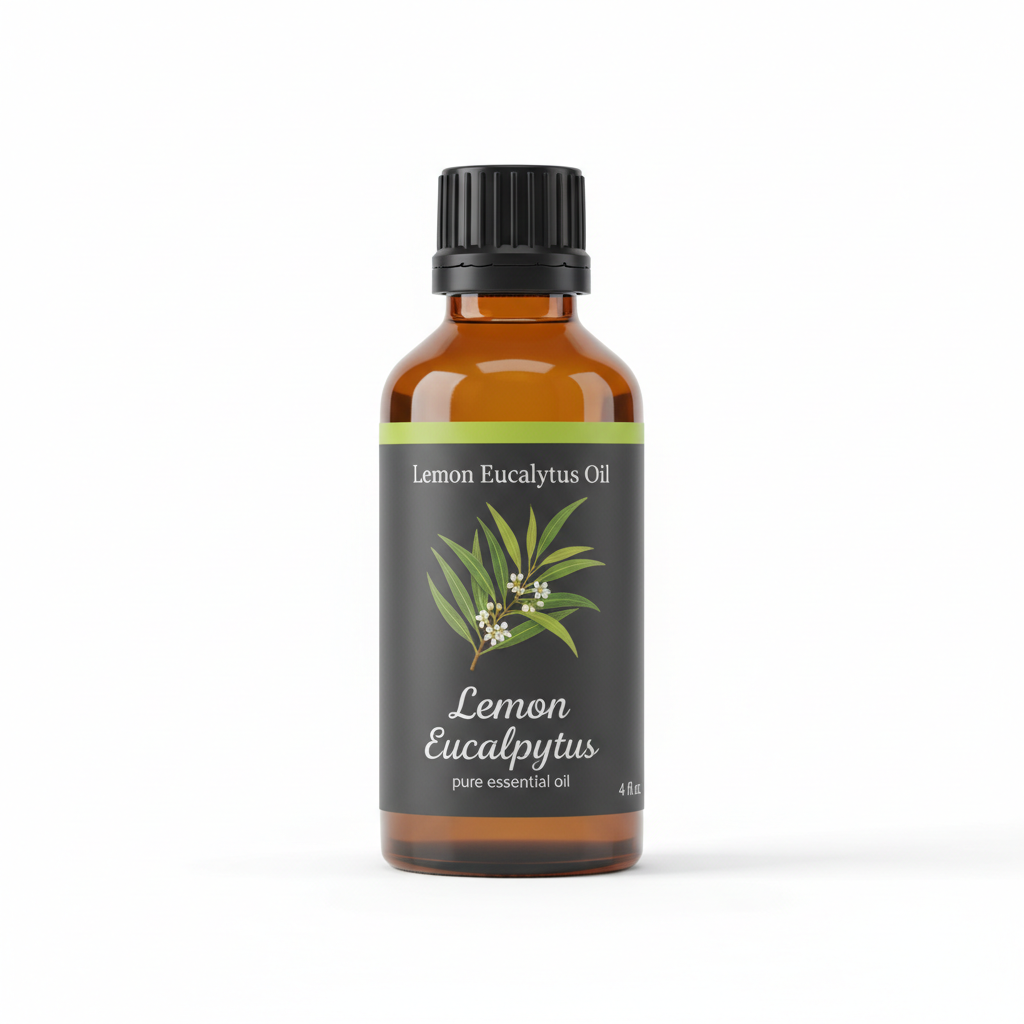
Lemon Eucalyptus Essential Oil
Our own Lemon Eucalyptus Essential Oil, in sizes from 0.5 oz to bulk.
From $9.99
Shop Now →Weddings, graduation parties and company picnics fail on bugs in the same way. Someone books the venue, plans the lighting and the menu, and remembers mosquitoes the afternoon before. By then the options are thin. This checklist runs in the order a planner would work: what breeds the mosquitoes, when they are active, what to do about the site, and what to offer guests.
We should be clear about our place in this. We sell lemon eucalyptus essential oil for candles, soap and diffusers. We do not sell a repellent, and the essential oil is not an EPA-registered one. Registered "oil of lemon eucalyptus" (OLE) products are made by other companies; our guide to oil of lemon eucalyptus explains what that ingredient is, and our stance page says the same about our oil.
First decision: pick a time, then a place
The Virginia Department of Health says mosquitoes are most active at dusk and dawn and that the majority of species are active at night. The same page says the Asian tiger mosquito (Aedes albopictus) also bites during the day. So the practical sequence for a planner is:
- If the date is flexible, hold the part of the event with the most standing, seated, dressed-up guests away from dusk. A ceremony at midday is easier to protect than one at sunset.
- If the date is fixed at golden hour, as most weddings are, move your effort to the site and to guest preparation, because you cannot move the sun.
- Walk the site at the hour of the event, not at noon on a site visit. Note where it is damp, shaded and still.
That last step is our reasoning, not a sourced rule. It is the cheapest piece of information you can collect, and it is the one most planners skip.
Second: remove what breeds them
CDC's advice is to empty and scrub, turn over, cover or throw out items that hold water, once a week. Its examples include tires, buckets, toys, pools, birdbaths, flowerpot saucers and trash containers. For an event site the same list becomes a work order:
- Run the checklist weekly for the month before, not once. A single clean-up two days before does not reach the water that fills afterward.
- Check rented equipment as it arrives: ice tubs, decorative buckets, planters, stock tanks used as beverage coolers.
- Look at the venue's own items: birdbaths, fountains, drainage saucers, unused pools, tarps that sag.
- For water you cannot drain or cover, CDC says to use larvicides on large bodies of water that will not be used for drinking, and to follow label instructions. Ask the venue before anyone adds anything to a pond.
CDC also advises installing or repairing window and door screens, which matters for a tent-and-cottage venue where guests drift indoors. And it says mosquitoes rest in dark, humid areas such as under patio furniture, the carport or the garage, and that outdoor adulticides can be used where mosquitoes rest, following label instructions. For an event, that is the point where we recommend calling the venue's grounds manager or a licensed pest professional rather than buying a product yourself, because we are not in a position to advise on application rules in your state. Your county's mosquito control office is another free place to start.
The yard-level version of this advice is in how to keep mosquitoes away in the backyard, which suits a home wedding or a family party.
Third: do not count candles, torches or devices as control
This is the point where we disagree with a lot of event advice. Citronella candles and torches appear in nearly every "outdoor party" checklist. A UNH Cooperative Extension factsheet (Alan T. Eaton, February 2009) describes citronella as having "limited repellence to mosquitoes" and notes it is put into some candles and torches. CDC says it does not know the effectiveness of non-EPA-registered repellents, including some natural ones. Put those two statements together and the plain reading is that a candle is fine as ambience but is not something to promise guests protection from.
The same caution applies to lemon eucalyptus candles. We do sell the oil that candle makers use, and we have published pieces on scenting an event. One is a case study on scenting a backyard wedding, and another is a guide to making an outdoor candle for patio evenings. Both are about scent. We do not claim that any candle keeps insects away, and a planner should not tell a bride's grandmother that it will.
For devices such as wristbands, ultrasonic units and area products, our review is in repellent spray versus mosquito devices. That piece covers area devices; our view is that an event plan should rest on water removal and registered repellents, not gadgets.
Fourth: set up a guest repellent plan
The guest-facing part is the one a planner can control most directly. CDC recommends EPA-registered repellents with DEET, picaridin, IR3535, oil of lemon eucalyptus, para-menthane-diol (PMD) or 2-undecanone. EPA says the registration number on a label means the company gave EPA information on safety and effectiveness, and it tells people to read the label before use. A guest basket or station can follow that:
| Item | What to do | Source or basis |
|---|---|---|
| Repellent | Stock products that carry an EPA registration number; offer more than one active ingredient | CDC, EPA |
| Labels | Keep the bottles in sight so guests can read the directions and age limits | EPA says to read the label |
| Children under 3 | Do not offer OLE or PMD products for them; ask the family's pediatrician about other protection | CDC |
| Sunscreen | Sunscreen first, repellent second | CDC |
| Cover-ups | Light wraps or sleeves for the guests in short sleeves | CDC and EPA recommend long sleeves and pants |
| Food | Place the station away from the buffet and the cake | Our reasoning, for hygiene |
A caution we would add: do not spray repellent on guests, and do not spray near food. Let guests apply for themselves according to the label. That is partly legal caution and partly because you cannot know who has a sensitivity. If a guest reacts, they should wash the area and call a doctor or Poison Control (1-800-222-1222) if symptoms are concerning.
If you want to understand which registered active suits which guest, our guide to choosing a lemon eucalyptus repellent sets out the label checks, and it explains why we say "a registered product" and never "our oil".
A timeline that works
| When | Task |
|---|---|
| One month out | Visit the site near the event hour; list water sources; ask the venue who handles mosquito control |
| Weekly until the event | Empty, scrub, turn over or cover water-holding items; recheck rentals |
| One week out | Confirm any professional control with the venue; add a repellent line to guest communication |
| Day before | Re-walk the site; empty anything that filled; set up the repellent station |
| Day of | Keep the station stocked; shift seating away from the dampest or most sheltered corner |
What commonly goes wrong
- Planning for the bugs once. A one-time site clean-up does not hold, because water refills. CDC's advice is weekly for that reason.
- Promising protection that nobody can deliver. A sign saying "citronella candles keep bugs away" is a claim you cannot back with a source we could find.
- Forgetting who is attending. Toddlers cannot use OLE or PMD products, and pregnant or immunocompromised guests may have advice from their own doctors that we cannot give.
- Ignoring what rentals bring in. Tubs, planters and tent roof sags can hold water; this is our reasoning from CDC's list, not a finding from a source.
Where our oil actually fits
If you want a lemon-scented candle or room spray for the reception, that is what our oil is for, and you can see sizes in the shop. Keep it on the decor list, not the mosquito list.
Frequently asked questions
Do citronella candles work at weddings?
A UNH Cooperative Extension factsheet describes citronella as having limited repellence to mosquitoes. CDC says it does not know how well non-registered natural repellents work. We would regard candles as atmosphere only.
How far ahead should we start?
CDC recommends emptying and scrubbing water-holding items once a week, so start at least a few weeks out and repeat weekly through the event.
Can we spray the venue?
CDC mentions outdoor adulticides used where mosquitoes rest, applied by label instructions. For a venue, ask the grounds manager or a licensed pest professional what is allowed there.
Last reviewed: October 2026
Lemon Eucalyptus Essential Oil
Lemon Eucalyptus Essential Oil from our own shop, in sizes from 0.5 oz to bulk.
From $9.99
Shop Now →Sources & Further Reading
- Virginia Department of Health, Blue Ridge: Mosquitos
- CDC: Mosquito Control at Home (April 16, 2024)
- CDC: Preventing Mosquito Bites (updated Aug. 28, 2024)
- US EPA: Find the Repellent that is Right for You
- US EPA: Tips to Prevent Mosquito Bites
- UNH Cooperative Extension: Insect Repellents factsheet by Alan T. Eaton (2/2009, hosted by Maine DACF)
- Poison Control (National Capital Poison Center): Poison Help