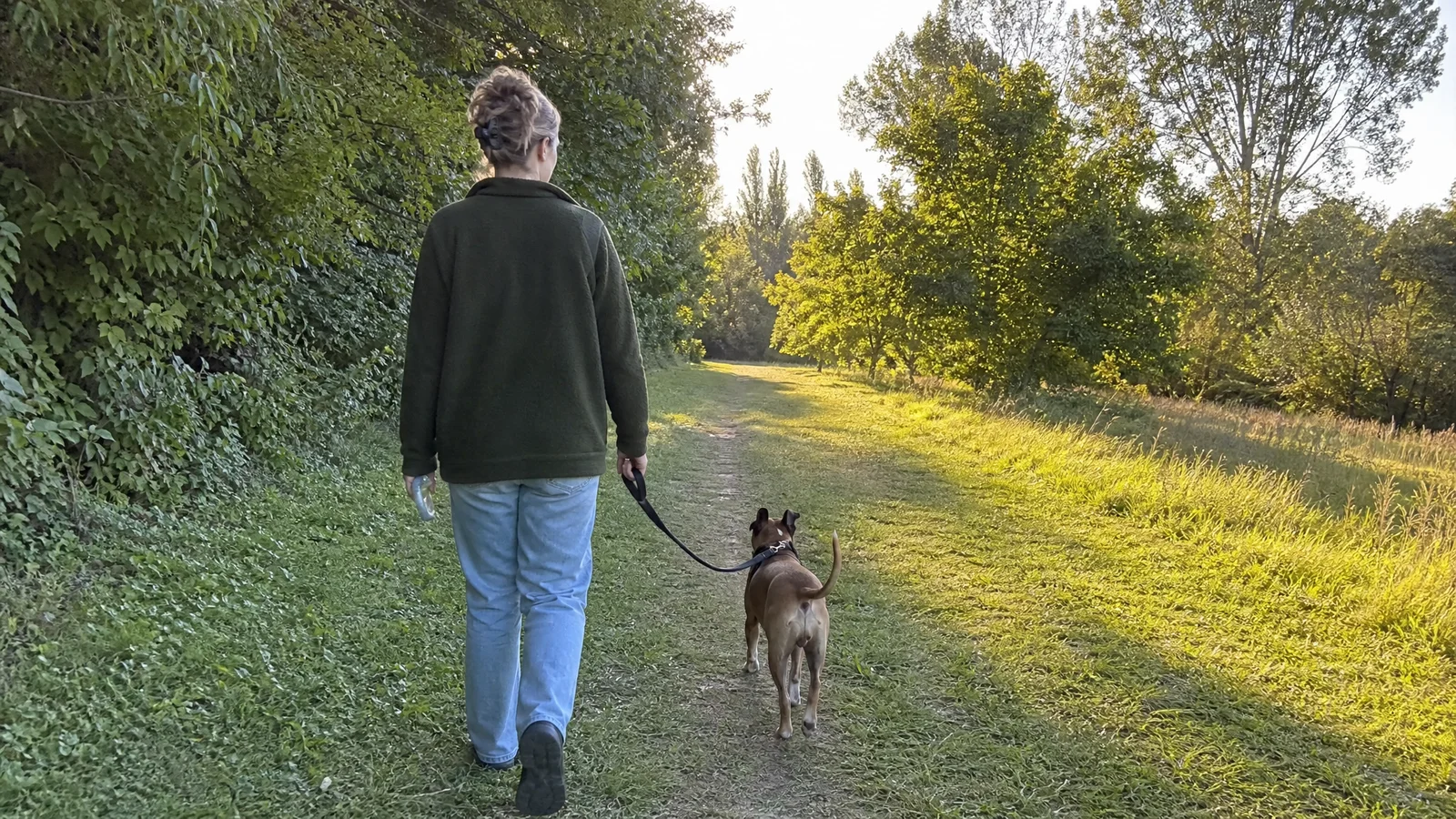
Is Lemon Eucalyptus Safe for Dogs?
Treat it as unsafe for dogs. ASPCA lists eucalyptus as toxic to dogs and cats, citing eucalyptol in its oils, and ASPCA warns that human insect repellents can be toxic to pets unless labeled for animals. Keep lemon eucalyptus oil and human bug sprays off your dog, and ask your veterinarian about dog-labeled products.
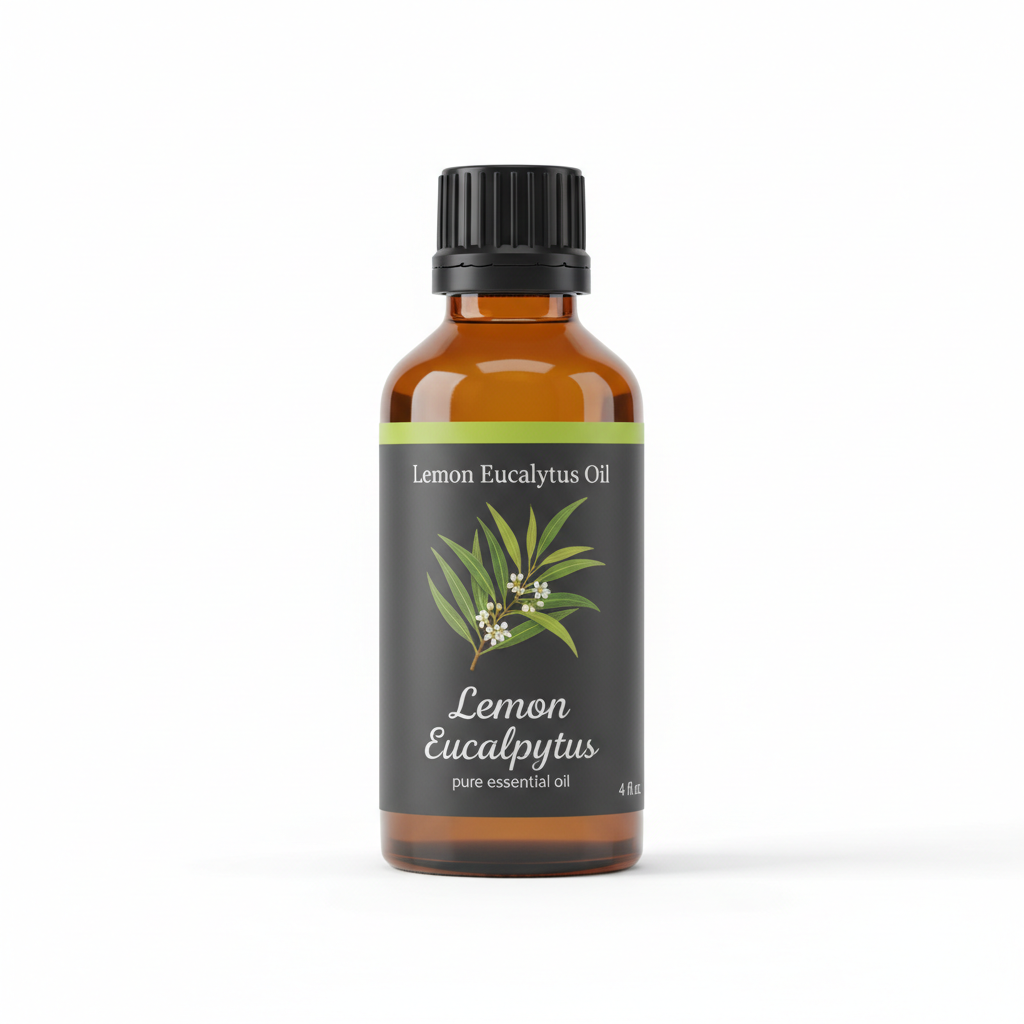
Lemon Eucalyptus Essential Oil
Our own Lemon Eucalyptus Essential Oil, in sizes from 0.5 oz to bulk.
From $9.99
Shop Now →Start with the label on the bottle in your hand
The question usually arrives in one of three forms. Someone has a bug spray with oil of lemon eucalyptus (OLE) and a dog on the porch. Someone wants to rub lemon eucalyptus essential oil on the dog's collar or coat as a "natural" flea or tick or mosquito measure. Or someone diffuses the oil at home and wonders about the dog. These have different risk profiles, and none of them has a veterinary endorsement we can point to.
We sell the essential oil, and we say plainly that it is not a registered repellent for people or for animals (our stance page). Our shop page says to keep the oil away from eyes, children and pets. Our existing article on lemon eucalyptus oil around dogs and cats covers general household questions; this page is the dog-specific, more cautious companion. A veterinarian, not this article, decides what is safe for your dog. If you suspect your dog has been exposed, call a vet or a pet poison line now (numbers below).
What the primary sources say
- ASPCA, plant entry for eucalyptus: "Toxic to Dogs, Toxic to Cats." Toxic principle: "Essential oils: eucalyptol." Clinical signs: "Salivation, vomiting, diarrhea, depression, weakness." (ASPCA.)
- Pet Poison Helpline: animals may be exposed to eucalyptol by eating eucalyptus leaves or herbal products containing essential oils. Small ingestions of a few leaves or low-concentration oil cause minor nausea, while highly concentrated oil "can result in severe signs including neurologic abnormalities and rarely, kidney impairment." Its page title addresses cats; it does not give a separate dog statement (Pet Poison Helpline).
- ASPCA on repellents: "Unless specifically designed for animals, insect repellant and sunscreen can be toxic to pets." It names DEET as an ingredient that "may also cause neurological issues in dogs," and lists drooling, vomiting, diarrhea, excessive thirst and lethargy as signs (ASPCA).
A caveat we would rather state than hide: the ASPCA and Pet Poison Helpline entries are about "eucalyptus" generally and do not break out Corymbia citriodora, the lemon-scented gum our oil comes from, which our shop page describes as high in citronellal. Our reasoning is that this does not clear it. A plant on the ASPCA list should be treated as a caution for the whole group of eucalyptus oils unless a veterinary toxicologist says otherwise, and we know of no source that does.
Three common scenarios, ranked by risk
| Scenario | Our assessment | Why |
|---|---|---|
| Applying essential oil to the coat, skin, collar or bandana | Do not do it | Undiluted contact with an animal that will lick the area. Highly concentrated oil is where Pet Poison Helpline describes severe signs. |
| Spraying human bug spray (any active) on the dog | Do not do it | ASPCA: human repellents can be toxic to pets unless made for animals. Dogs lick their coats. |
| Dog eats or licks spilled oil or a chewed bottle | Call a vet or poison line immediately | Eucalyptol is the listed toxic principle; signs include drooling, vomiting, diarrhea and weakness. |
| Diffusing in a room the dog cannot leave | Avoid; see the diffusing guide | No dog-specific safety data from the primary sources; we would not assume it is harmless. |
| Registered OLE repellent used on a person, dog nearby | Keep the dog from licking skin or clothing until it dries | Reasoned precaution from the ASPCA statement; confirm with your veterinarian. |
We rank "diffusing" lower in confidence because the sources we opened do not give a measured safe exposure for dogs, and several general articles online state one without evidence. See our diffusing guide for the ventilation and exit-route precautions that follow from the sources.
The "never do" box
- Never use a human repellent, OLE or otherwise, on a dog. Use a product labeled for dogs, chosen with your veterinarian.
- Never apply lemon eucalyptus essential oil to a dog, even diluted. We give no dilution guidance for animals, and our dilution chart is for human fragrance and skin use.
- Never leave open bottles, scented wax melts or candle oil where a dog can reach them.
- Never put a dog's permethrin-containing product on a dog in a home with cats without asking your veterinarian first. Pet Poison Helpline says cats "do not tolerate concentrated pyrethrins, permethrins, cypermethrins" and have been exposed through the family dog; animals need to be kept completely separate until the product dries (Pet Poison Helpline). See the cat guide.
- Never wait for signs to worsen before calling. The signs listed by ASPCA (drooling, vomiting, diarrhea, weakness) can start quickly.
If your dog is exposed
- Move the dog away from the product and prevent further licking or contact.
- Keep the container, so you can read the label and tell the responder the active ingredient and concentration.
- Call your veterinarian, or an animal poison line: ASPCA Animal Poison Control at (888) 426-4435, or Pet Poison Helpline at (855) 764-7661, which says it is available 24/7. Pet Poison Helpline lists an incident fee ($89 when we checked its page); ask what any service charges when you call.
- Follow the responder's instructions. Ask before you try anything at home such as inducing vomiting or bathing; the right step depends on what was swallowed or touched.
If a person in the household also had contact, call Poison Help at 1-800-222-1222. See our first-aid page. For the household-wide view, read Is lemon eucalyptus safe?
What we would do instead
For a dog that lives outdoors in tick and mosquito country, the decision is a veterinary one: flea and tick prevention, heartworm prevention and bite avoidance are all things a veterinarian prescribes or recommends by region and by the dog's weight and health. Ask which products are labeled for dogs, whether any should be avoided in homes with cats, and how to keep the dog from licking a person's repellent. If you want lemon eucalyptus oil for a candle, soap or room blend, keep the finished items out of the dog's reach and ventilated, and see the shop for sizes. We would not suggest using it near a dog as a bug measure at all.
Why the usual online advice is not good enough
Search results for this question tend to fall into two camps. One says essential oils are "natural" and therefore fine around dogs if diluted. The other says all essential oils are poison. Neither is a position a seller can defend from primary sources. What the sources support is narrower: eucalyptus is on ASPCA's toxic list for dogs and cats; the toxic principle named there is eucalyptol; concentrated oil is where the severe signs are described; and human repellents are not designed for animals. Everything beyond that, including a "safe" number of drops or minutes of diffusing, is an extrapolation we will not make. Dogs also vary: a small puppy, a senior dog with liver or kidney problems and a healthy adult are different cases, and only the person who has examined the dog can tell you where yours sits.
That is also why we disagree with the common advice to "just dilute it." Dilution is a reasonable idea for human skin, which is why our shop page gives a 0.5% to 2% range for topical use by people. It is not a veterinary dose, and we do not claim it is one.
Questions to ask your veterinarian
- Which flea, tick and mosquito products do you recommend for my dog, given its weight, age and health?
- Do I have cats or other animals at home that change the choice?
- If I wear a repellent, how long should I keep my dog from licking my skin?
- Is there anything in my household scent products I should stop using around the dog?
Frequently asked questions
Is lemon eucalyptus oil toxic to dogs?
ASPCA lists eucalyptus as toxic to dogs, with eucalyptol as the toxic principle. Its entry does not name lemon-scented gum specifically, so we treat our oil with the same caution.
Can I put a diluted drop on my dog's collar?
We do not recommend it. No source we opened provides a safe dilution for dogs. Ask your veterinarian about dog-labeled products.
Can my dog be near me if I wear an OLE repellent?
Stop the dog from licking your skin or clothes until the product dries, and ask your veterinarian. This is our precaution, based on ASPCA's warning about repellents and pets.
What signs mean call a veterinarian right away?
ASPCA lists salivation, vomiting, diarrhea, depression and weakness for eucalyptus, and drooling, vomiting, diarrhea, excessive thirst and lethargy for repellents. Call at the first sign, or sooner if you know your dog got into a product.
Last reviewed: October 2026. Not veterinary advice; ask your veterinarian.
Lemon Eucalyptus Essential Oil
Lemon Eucalyptus Essential Oil from our own shop, in sizes from 0.5 oz to bulk.
From $9.99
Shop Now →