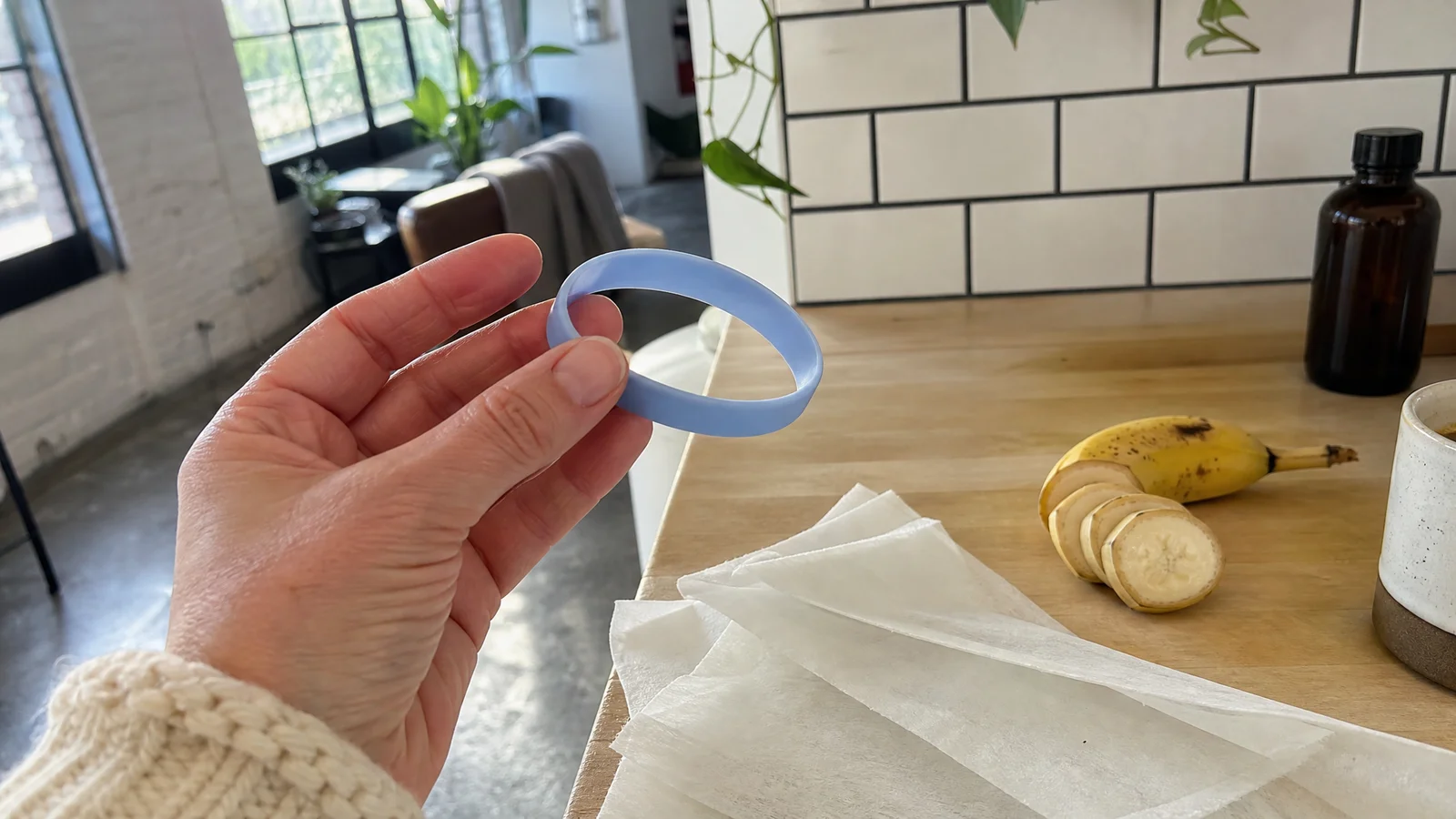
Mosquito Repellent Myths: Bracelets, Vitamin B, Dryer Sheets and More
Most popular mosquito-repellent shortcuts fail when tested. CDC calls vitamin B, garlic, sound-emitting devices and repellent wristbands ineffective, and a 2017 study found bracelets did not reduce mosquito attraction. Dryer sheets repelled fungus gnats in one lab study, not mosquitoes. EPA-registered sprays remain the tested option.

Lemon Eucalyptus Essential Oil
Our own Lemon Eucalyptus Essential Oil, in sizes from 0.5 oz to bulk.
From $9.99
Shop Now →The scorecard below sorts eight common ideas by what the published evidence shows. Each verdict links to the studies behind it, and where sources disagree we say so. One note on where we sit: we sell lemon eucalyptus essential oil, which is not an EPA-registered repellent, so you will see it listed among the myths too. Last reviewed: October 2026.
The scorecard
| Idea | Verdict | Best evidence |
|---|---|---|
| Repellent bracelets and wristbands | Myth | CDC: ineffective. 2017 wind-tunnel test: none reduced attraction |
| Vitamin B (including B1/thiamine) | Myth | 2005 human study: no effect; 2022 review: cannot repel |
| Garlic | Myth | CDC lists it as ineffective |
| Ultrasonic and sound devices | Myth | Cochrane review: no effect in 10 field studies |
| Dryer sheets | Myth for mosquitoes | Lab effect on fungus gnats only; mosquitoes not tested |
| Citronella candles | Weak and inconsistent | 14% repellency indoors in one test; no effect in another |
| Bug zappers | Myth for mosquitoes | 0.22% of one study's catch were biting flies |
| Essential oils as stand-alone repellents | Unproven, varies by oil | EPA has not evaluated effectiveness; lab results differ widely |
Start with what is worn: bracelets and wristbands
This is the myth with the clearest answer. CDC's Yellow Book states that "ingestion of vitamin B or garlic and wearing sound-emitting devices or repellent-impregnated wristbands are ineffective" (CDC Yellow Book). The experimental result matches. In a 2017 study at New Mexico State University, researchers placed a volunteer upwind of a cage of Aedes aegypti mosquitoes and compared eleven products: five sprays, five wearable devices and a citronella candle. None of the three wristbands significantly reduced attraction, and the authors suspected the emitted concentrations were too low. The one wearable that worked, a clip-on, releases metofluthrin, a synthetic insecticide, and killed every mosquito in the test (Rodriguez et al., 2017).
The reason is physical, not a matter of brand. A repellent protects the zone where its vapor or film reaches. A band on one wrist emits a small amount into moving outdoor air and leaves the rest of the body alone. For more on personal products versus area devices, see repellent spray versus mosquito devices.
What is swallowed: vitamin B and garlic
The vitamin B idea persists because the claim is hard to disprove at the dinner table. It has been tested, though. A 2005 study in the Journal of the American Mosquito Control Association used larger groups of human volunteers than earlier work and measured mosquito attraction to volatile skin compounds after vitamin B supplementation. The authors reported "no effect of vitamin B supplementation," along with large, consistent differences between individuals (Ives and Paskewitz, 2005). A 2022 scoping review of thiamine (vitamin B1) in Bulletin of Entomological Research concluded that "thiamine cannot repel arthropods in any dosage or route of administration" (Shelomi, 2022). Garlic appears in the same CDC sentence as ineffective, and we did not find stronger evidence to set against that.
The person-to-person variation in the 2005 study is worth holding onto. It is why a friend can swear that a supplement works: some people are simply bitten less, with or without anything. We cover the biology in why mosquitoes bite some people more.
What emits sound: ultrasonic and electronic repellers
A Cochrane systematic review of electronic mosquito repellents, devices that emit high-pitched sound, found 10 field studies and concluded that "field entomological studies confirm that EMRs have no effect on preventing mosquito bites." None of the studies found a difference in mosquito catches on people with or without a device (Cochrane). The review is old, which is a fair objection, but the CDC statement above is current and covers sound-emitting devices too.
What is in the laundry: dryer sheets
This myth has a real study behind it, which is why it spreads. Kansas State University entomologist Raymond Cloyd and colleagues tested Bounce dryer sheets in a 2010 HortScience paper. Across five replicated experiments, compartments holding a sheet contained 12% to 18% of released adult fungus gnats, versus 33% to 48% in compartments without one (summary of the HortScience study). Mosquitoes were not tested. The sheets contain compounds such as linalool and beta-citronellol, but detecting a compound in a product does not show the product repels another insect from a person. The fair verdict: a possible greenhouse tool for gnats, unproven for mosquitoes.
What burns or zaps: citronella candles and bug zappers
Candles are the one place where the evidence is mixed, so we avoid calling it a clean myth. In a study of botanical repellents, citronella candles at 5% active ingredient repelled 14% of mosquitoes indoors, while continuous-release citronella diffusers reached 68%; outdoors, citronella diffusers placed 6 m from traps repelled 22% (Muller et al., 2009). The 2017 wind-tunnel test above found no effect from a citronella candle. A 2026 laboratory study of seven commercial essential-oil candles in Frontiers in Insect Science found several reduced mosquito attraction in a cage assay, with the strongest reductions at 56%, 45% and 40%, and the authors called for field testing before candle labels are accepted as repellency claims. The same paper notes that earlier field studies of citronella candles conflict, one reporting 42% fewer bites and others none (Lopez et al., 2026). Our summary: do not count on a candle to carry a patio full of people. For a closer look at citronella, see lemon eucalyptus versus citronella.
Bug zappers fare worse. A Delaware study that identified the catch of six suburban electric traps over a summer found that only 31 of 13,789 insects (0.22%) were biting flies, which includes female mosquitoes and biting gnats; about 48.4% were non-biting aquatic insects and about 13.5% were predators and parasites (Iowa State Extension summary of Frick and Tallamy). It is one summer at one location, and it was disputed by a trap manufacturer, but no source we opened shows a benefit for mosquito bites.
The category we belong to: essential oils
EPA states that products made from minimum-risk ingredients such as citronella, cedar, geranium and peppermint oils "have not been evaluated for effectiveness" and that "EPA cannot advise consumers about the effectiveness of these products" (EPA). Lab results vary widely: in a 2023 test of 20 essential oils as 10% lotions, citronella protected against mosquitoes for about 30 minutes, while clove and cinnamon gave more than an hour against mosquitoes and ticks (Luker et al., 2023). A 2011 review, by contrast, put citronella-based repellents at about two hours (Maia and Moore, 2011). The two disagree because they tested different products, concentrations and methods, which is exactly the point: without a standard registration test, a number from one product does not transfer to another.
That is why we do not call our Lemon Eucalyptus Essential Oil a repellent. CDC does not recommend "pure" oil of lemon eucalyptus as a repellent, and our DIY bug spray explainer goes through the reasons. The essential oil's real jobs are scent and craft.
What does hold up
CDC recommends EPA-registered repellents with DEET, picaridin, IR3535, oil of lemon eucalyptus (OLE) or PMD, or 2-undecanone (CDC). The 2017 study found sprays with DEET or PMD performed best. For a side-by-side of the registered options, use the ingredient comparison, and for the lemon eucalyptus question specifically, does lemon eucalyptus repel mosquitoes. Screens, long sleeves and emptying standing water cost nothing extra and have no claim to disprove. If the question is about illness risk, ask a physician or a travel-medicine clinic rather than a product label.
FAQ
If a myth has a study behind it, why call it a myth?
Because the study usually shows something narrower than the claim. The dryer-sheet paper tested fungus gnats in a lab, not mosquitoes near a person.
Are any wearable devices worth buying?
In the 2017 comparison, only the clip-on with metofluthrin, an insecticide, reduced attraction. It is a different kind of product from a botanical wristband, and you should read its label.
Why do some people swear these things work?
Mosquito attraction varies widely between individuals and between days, so a person who is bitten less after trying something may simply be a less attractive target. That is a reason to rely on controlled tests.
Is any "natural" option backed by EPA registration?
Yes. OLE and PMD products are EPA-registered and are on CDC's list. Essential oil sold as an oil is a different material, which our comparison page explains.
Lemon Eucalyptus Essential Oil
Lemon Eucalyptus Essential Oil from our own shop, in sizes from 0.5 oz to bulk.
From $9.99
Shop Now →Sources & Further Reading
- CDC Yellow Book: Mosquitoes, Ticks, and Other Arthropods
- CDC: Preventing mosquito bites
- Rodriguez et al. (2017), Journal of Insect Science
- Ives and Paskewitz (2005), J Am Mosq Control Assoc
- Shelomi (2022), Bulletin of Entomological Research
- Cochrane: Electronic mosquito repellents
- Phys.org summary of Cloyd et al. (2010), HortScience
- Muller et al. (2009), Journal of Vector Ecology
- Lopez et al. (2026), Frontiers in Insect Science
- Iowa State Extension: Bug zappers
- EPA: Regulation of Skin-Applied Repellents
- Luker et al. (2023), Scientific Reports
- Maia and Moore (2011), Malaria Journal