Natural vs Synthetic Bug Spray: What Matters
"Natural" is one of the most appealing words on a bug spray label, and it tells you almost nothing about whether the product works or whether it suits a particular person. The more useful question is a plainer one: has anyone checked this product, and what did they find?

Lemon Eucalyptus Essential Oil
Our own Lemon Eucalyptus Essential Oil, in sizes from 0.5 oz to bulk.
From $9.99
Shop Now →Plants, chemicals and a lot of mix-ups
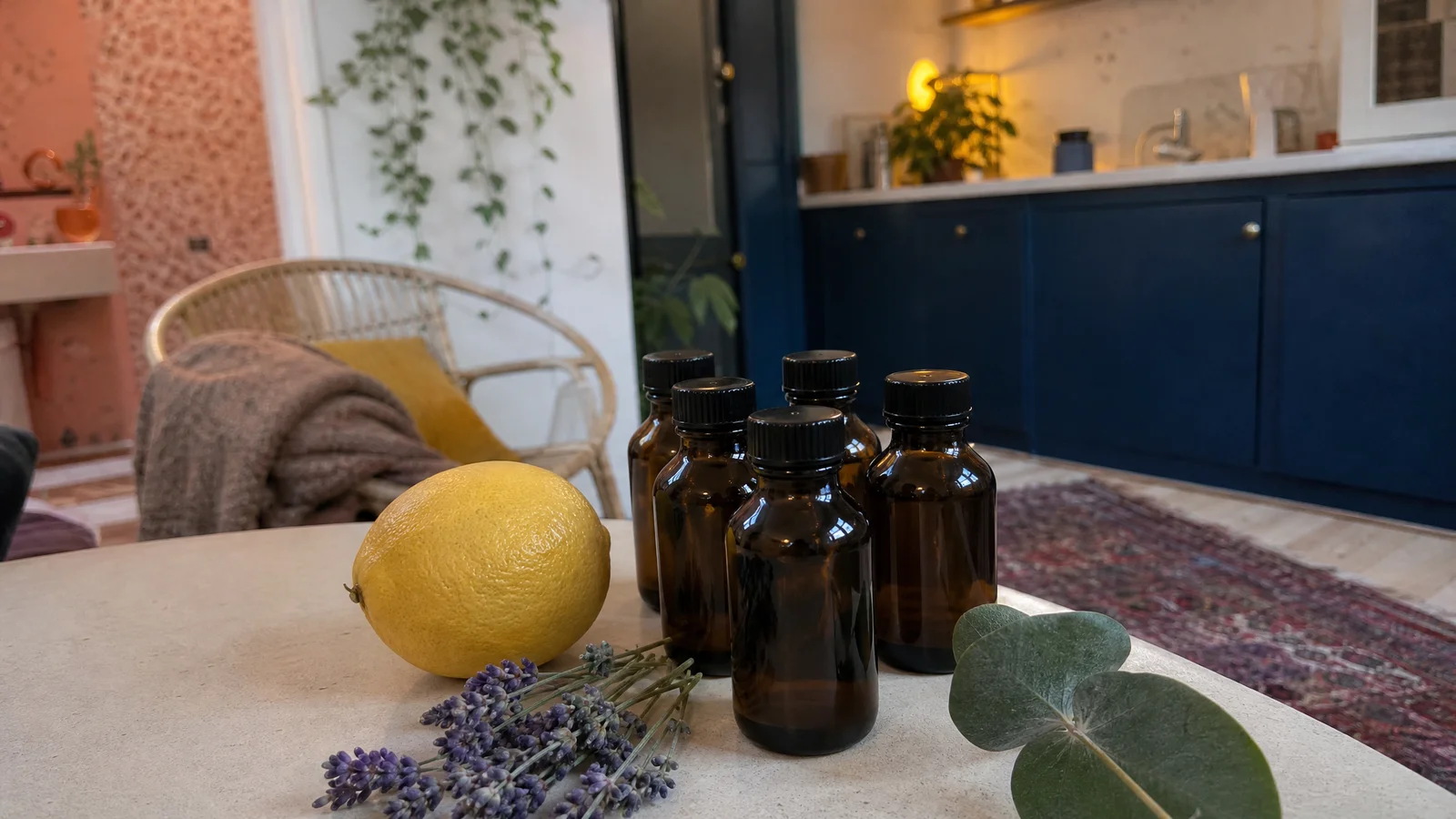
We sell a plant oil, so we have a soft spot for botanicals. We also know how often the word natural gets stretched. Our lemon eucalyptus essential oil is steam distilled from leaves, and it is not a registered repellent; we sell it for its bright, lemony-green aroma and we won't blur that line to make a sale. That makes us a fair guide to this question, because a natural origin did not make our oil a repellent and it does not make any other bottle safer or stronger.
Consider "chemical-free," which gets printed on plenty of sprays. Every repellent is made of chemicals, including the plant-derived PMD in refined oil of lemon eucalyptus. The label question that actually matters is which active ingredient, at what percentage, and who reviewed it.
A 2011 review of plant-based repellents makes the same point from the research side: consumers often see botanical products as safe compared with long-established synthetic ones, which is sometimes a misconception.
Three shelves, not two
Sorting repellents into natural and synthetic hides the split that matters, which is regulatory:
- EPA-registered repellents. DEET, picaridin, IR3535, oil of lemon eucalyptus, PMD and 2-undecanone live here. Most are synthetic, and oil of lemon eucalyptus is plant-derived. CDC tells readers to look for the EPA registration number on the label.
- Minimum risk "exempt" products. Many botanical sprays sit here. They are exempt from registration, and EPA is considering a rulemaking that would require personal mosquito and tick repellents to be registered. EPA also says public health products need evidence that they work against the target pest.
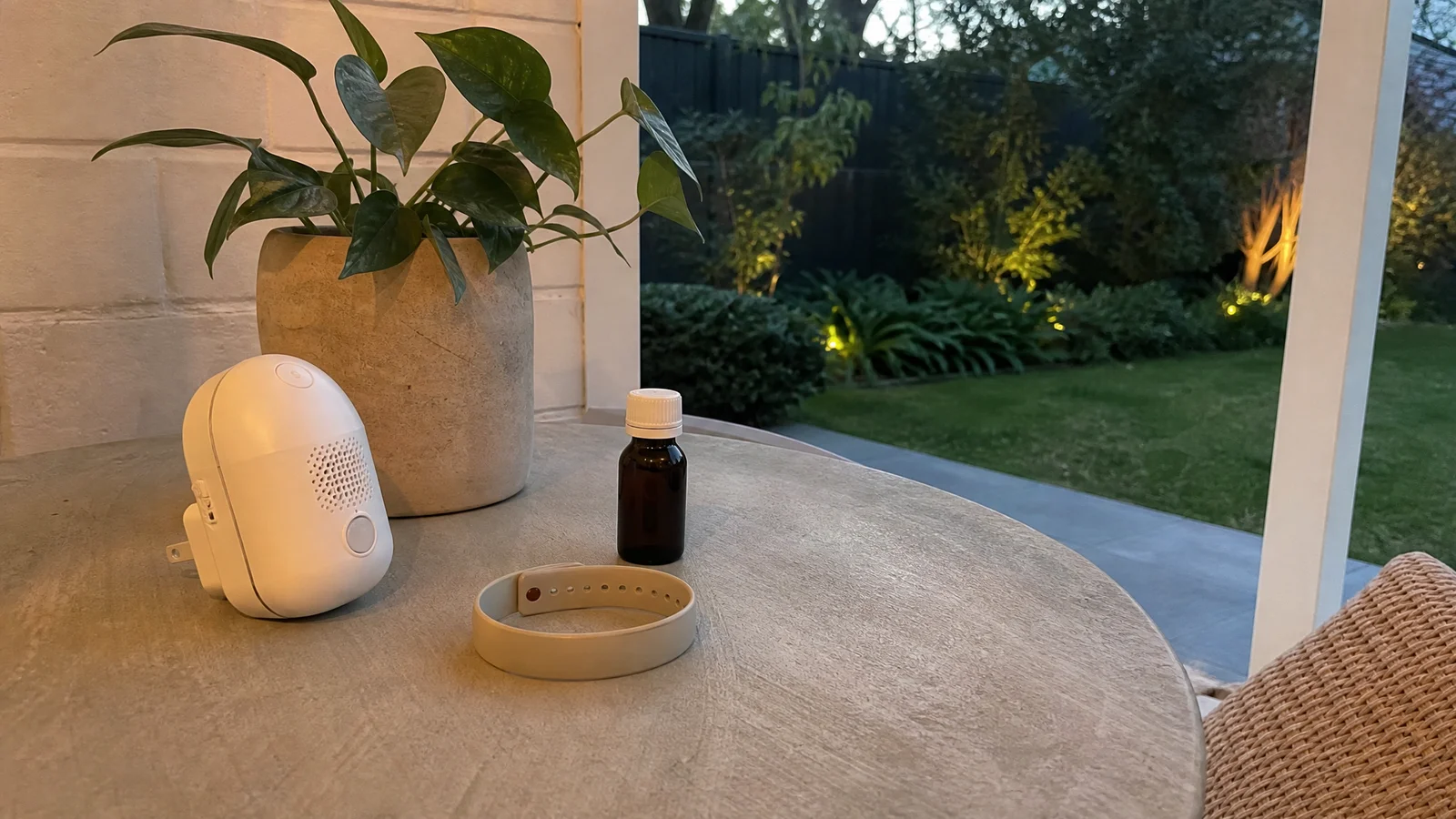
- Everything else. Wristbands, patches, candles and straight essential oils. CDC puts it directly: it does not know the effectiveness of non-EPA registered repellents, including some natural ones.
The National Pesticide Information Center adds a helpful detail: no EPA-registered repellent uses garlic, rosemary, lemongrass, thyme or geraniol oil as its active ingredient. If a bottle leads with those, it belongs on the second or third shelf.
What testing found
A 2024 study put 11 minimum risk tick repellents and two DEET products to a finger bioassay with blacklegged tick nymphs. The DEET products repelled at least 97% of ticks at every checkpoint. The botanical products averaged 63% in the first 90 minutes and 3% between 2.5 and 6.5 hours, and the authors found that neither label claims nor specific ingredients predicted how long a product lasted.
For mosquitoes, a wind-tunnel study of Aedes aegypti offers a neat comparison. With 88.82% of mosquitoes drawn to an untreated human bait, a 30% oil of lemon eucalyptus spray brought that down to 29.62%, close to the 33.70% for a 98% DEET spray. A plant-oil blend spray only got it to 59.66%. This was one species in a lab, measuring attraction rather than bites, but the lesson is clear: the botanical product that did well was the refined, registered one.
Safety is about who is using it
Natural does not mean gentler, and synthetic does not mean harsher. EPA's 2014 review of DEET found no risks of concern and says normal use does not present a health concern, including for children. NPIC says oil of lemon eucalyptus can cause significant eye damage, and that IR3535 is an eye irritant. CDC says OLE and PMD products should not go on children under 3. So the best pick depends on the person: DEET has the longest record with young children, while OLE or PMD is a registered plant-derived choice for adults and older children who want one. We explain the age question in our guide on children and lemon eucalyptus.
A shopping story we hear in our heads
Picture the aisle: one bottle with a leaf on the front and the word natural in big letters, and another with a plain white label and a chemical name. Most of us reach for the leaf. That is a very human instinct, and we have it too. The trick is to pause, turn the bottle around, and let the back of the label do the talking. If the leaf bottle has a registration number and a clear active ingredient, great. If it does not, the front was only doing a sales job.
Whichever one you pick, store it away from heat and out of children's reach, and check the label for how long a bottle stays good once opened.
Five questions that replace the word "natural"
- Is there an EPA registration number on the label?
- What is the active ingredient and its percentage?
- What does it say about children and age?
- Is there a stated protection time on the label?
- What does it say about eyes, skin and first aid?
If you want something plant-derived, a registered OLE or PMD product from a company that makes them is the match to look for; our buyer's guide shows how to read the label. For a trip to a disease area or a toddler, a clinician or pediatrician should guide the choice. The ingredient comparison lays out the registered options side by side.
A good repellent earns trust from its paperwork, not its adjectives, and that is a pleasant thing to learn before you spend money.
Lemon Eucalyptus Essential Oil
Lemon Eucalyptus Essential Oil from our own shop, in sizes from 0.5 oz to bulk.
From $9.99
Shop Now →Sources & Further Reading
- Preventing Mosquito Bites (CDC)
- DEET (US EPA)
- Personal Insect Repellents and Minimum Risk Pesticides (US EPA)
- Insect Repellents Fact Sheet (National Pesticide Information Center)
- Efficacy of unregulated minimum risk tick repellent products evaluated with Ixodes scapularis nymphs in a human skin bioassay (Burtis et al., 2024)
- Efficacy of Some Wearable Devices Compared with Spray-On Insect Repellents for the Yellow Fever Mosquito, Aedes aegypti (L.) (Diptera: Culicidae) (Rodriguez et al., 2017)
- Plant-based insect repellents: a review of their efficacy, development and testing (Maia and Moore, 2011)