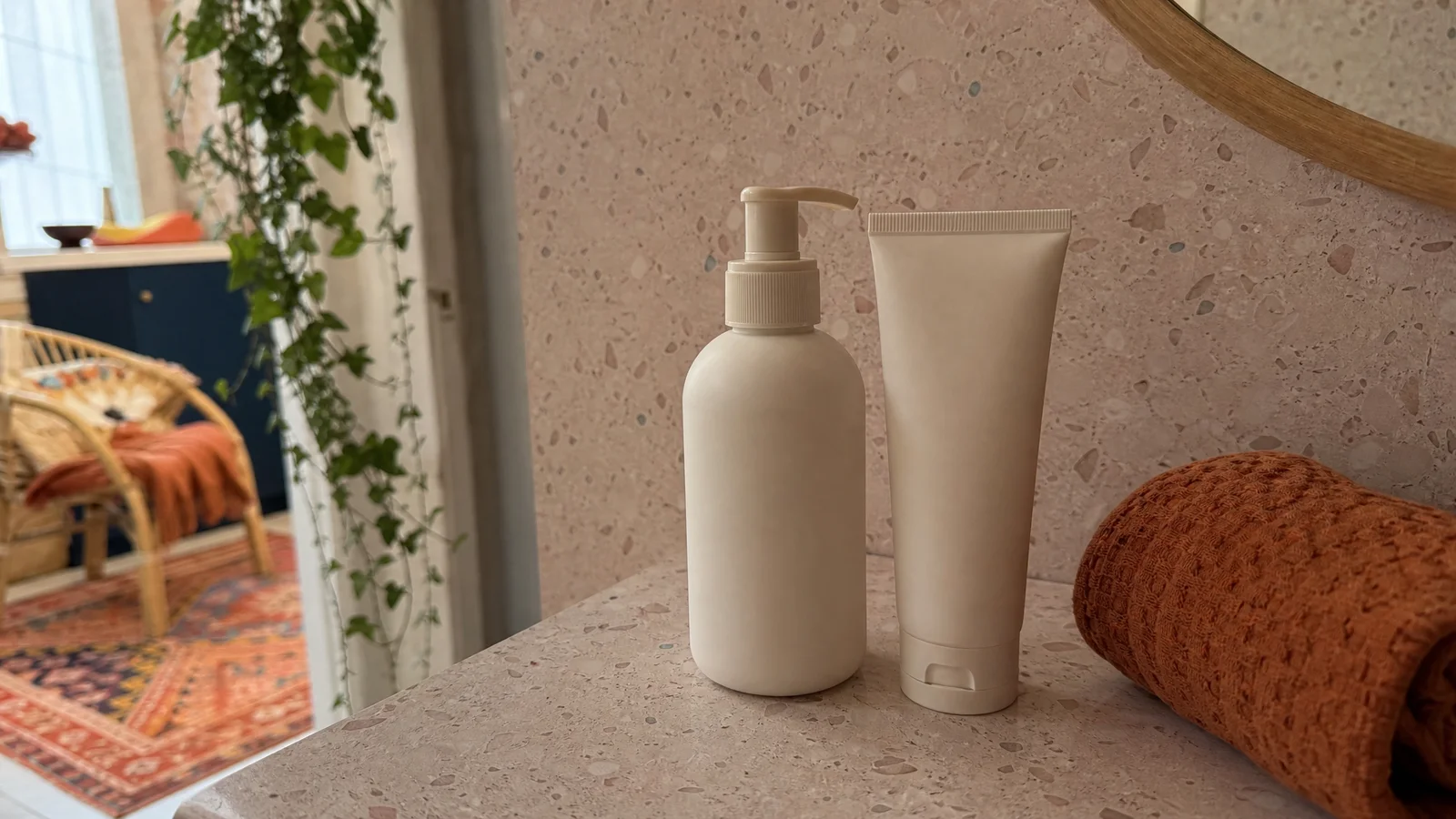
Repellent Spray vs Lotion: Which Will You Apply Better?
The best repellent format is the one you will put on evenly. A pump spray feels fast, a lotion feels deliberate, and the gap between a thorough application and a hurried one matters more than the bottle it came from. Here is how we would choose, using what EPA and CDC actually say about each.

Lemon Eucalyptus Essential Oil
Our own Lemon Eucalyptus Essential Oil, in sizes from 0.5 oz to bulk.
From $9.99
Shop Now →What the label ranks above everything
Before format comes registration. EPA explains that a repellent carrying an EPA registration number has been evaluated for human safety and for effectiveness when used as the label directs, and that CDC recommends products built on registered active ingredients. That is true of a spray, a lotion, a wipe or a stick. So the first filter is the number on the label and the ingredient behind it, and EPA's tool Find the Repellent that is Right for You is the place to start.
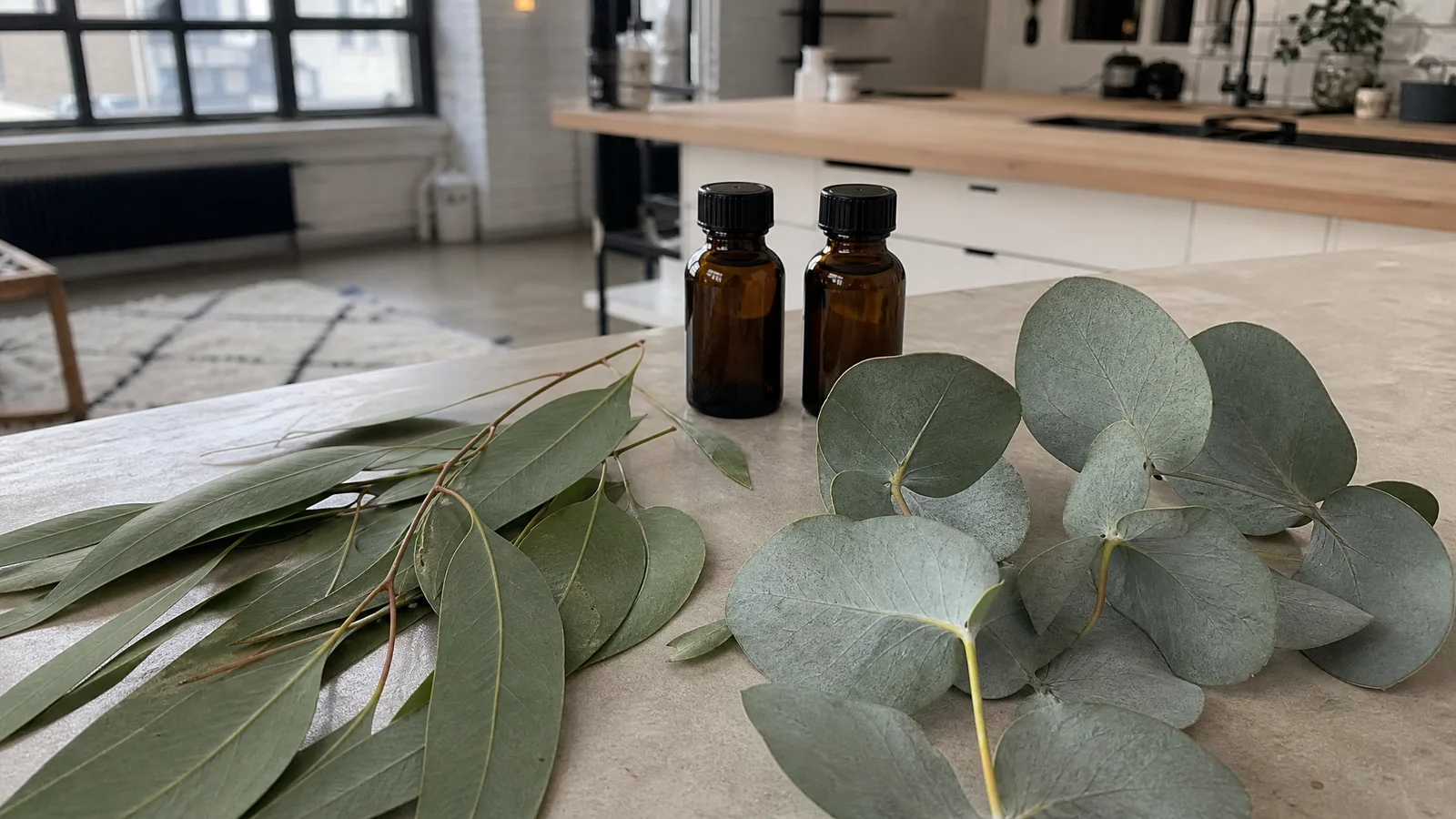
A word about our own bottle, since the name overlaps. We sell lemon eucalyptus essential oil, steam distilled from the leaf, for fragrance projects such as diffuser blends, soap and candle making. It is not a registered repellent, and CDC says plainly that it does not recommend using "pure" oil of lemon eucalyptus as one. The registered "oil of lemon eucalyptus" products are a different, refined material. If you want a repellent, pick one from the pharmacy or outdoor shop, and use this page to decide on format. Our explainer on the two materials tells the story in full.
The case for lotion
A lotion shows you where it has been. You can see the sheen on the back of a hand and notice the bare patch behind an ear. That visibility is the whole advantage. It also solves the face problem neatly, because EPA's advice for any spray is the same: do not spray directly into the face, spray onto your hands first and then apply to the face. A lotion starts out where a spray is supposed to end up, already in your palm.
The trade is time. Smoothing a layer over two arms, two legs and a neck takes longer than a few pumps, and that is exactly when people start to skimp. If you know you rush, lotion is the honest choice for you.
The case for a spray
A spray covers a lot of skin quickly, which is welcome at a trailhead with a restless family. The cost is that mist drifts. EPA lists the rules in one place: do not spray in enclosed areas, avoid breathing a spray product, and do not use it near food. Treat the car, the tent and the picnic table as places to step away from before you spray.
Many people also forget that a spray still needs a hand. Mist lands unevenly, so a quick pass of your palm over each sprayed area closes the gaps. Think of spraying as the first half of the job.
Aerosols, wipes and sticks
An aerosol is a spray with a bigger cloud, so every spray rule applies with more force, and the same goes for avoiding the face. Wipes and sticks are a lotion's close relatives: you place the product exactly where you want it. We would reason that this makes them easy to under-apply, because a thin film is hard to see, but that is our inference from how they work and not a finding. Whatever the format, EPA's guidance holds: follow the label for how much to use and how often.
Rules that follow the product, not the format
- Apply only to exposed skin or clothing, never under clothing, and never over cuts, wounds or irritated skin.
- Keep it away from eyes and mouth, and use it sparingly around the ears.
- Check the label for flammability warnings. If it has one, keep the bottle away from open flames, grills and lit cigarettes.
- Wash treated skin and clothes with soap and water when you come indoors.
- Store repellents out of reach of children, in a locked cabinet or shed.
With children there is one extra step. EPA recommends labels say not to let children handle the product and not to apply it to their hands. Put it on your own hands first, then on the child. EPA also notes that some oil of lemon eucalyptus product labels say not to use them under age three, while certain products with oil of lemon eucalyptus as the sole active ingredient at 30% or less carry no such restriction. CDC's own consumer page keeps the simpler line, not to use products containing OLE or PMD on children under 3, so we would follow that and ask a pediatrician about anything specific. More on that in our piece on lemon eucalyptus and kids.
Make the good habit the easy one
Whichever format you land on, store it where you will trip over it: beside the keys, in the daypack's top pocket, in the car door. The product you can see is the one you use. Having a spot for it also means someone else in the family can find it and apply it without a scavenger hunt.
Pay attention to how each format feels, too. A lotion goes on with a smooth, slightly cool glide and a mist arrives as a cool burst you can feel on your hands. Neither feeling is better. The one you do not mind is the one you will repeat.
A simple way to decide
Ask which mistake you are most likely to make. If it is speed, choose lotion or a wipe. If it is dreading a long application with a toddler squirming nearby, a pump spray with a palm pass may be the one you will really use. And whichever you take on a flight, our note on bug spray and airport rules covers what to pack. For how the right amount goes on, see applying a repellent correctly.
The ingredient decides how well a repellent works and the label decides how to use it. Format decides whether you will, so pick the one that suits the way you actually behave on a busy morning.
Lemon Eucalyptus Essential Oil
Lemon Eucalyptus Essential Oil from our own shop, in sizes from 0.5 oz to bulk.
From $9.99
Shop Now →Sources & Further Reading
- Using Insect Repellents Safely and Effectively, US EPA.
- Regulation of Skin-Applied Repellents, US EPA.
- Find the Repellent that is Right for You, US EPA.
- Preventing Mosquito Bites, CDC Mosquitoes.
- Mosquitoes, Ticks, and Other Arthropods, CDC Yellow Book.