
Citronella vs Lemon Eucalyptus: Which Oil Suits You?
Light a citronella candle on a summer patio and you get the smell most of us associate with keeping bugs away. Open a bottle of lemon eucalyptus oil and you get something that smells similar, brighter and more lemony. The resemblance is not an accident, and it is worth understanding why before you decide which one belongs in your evening plans.

Lemon Eucalyptus Essential Oil
Our own Lemon Eucalyptus Essential Oil, in sizes from 0.5 oz to bulk.
From $9.99
Shop Now →Two trees, one headline molecule
Both oils owe their character to citronellal. In a Brazilian study that analyzed oils from the lemon-scented gum (Corymbia citriodora) and from citronella grass (Cymbopogon nardus), citronellal was the main component of both: 61.78% in the lemon eucalyptus sample and 36.6% in the citronella sample. Those are numbers from one pair of samples, and oils vary with origin and harvest, but the pattern is clear. Citronellal is the shared thread, and the other compounds around it are what make the two oils smell different from each other.
For lemon eucalyptus we describe that difference as lemony, fresh and green, with a crisp, lightly camphorous edge, a top note that lifts quickly. If you like a citronellal-forward aroma, our piece on the citronellal molecule goes deeper, and the scent profile describes how it behaves in a room.
What a candle can and cannot do
Where citronella gets its reputation is outdoor candles and torches, and researchers have looked at them. A study in the Journal of Vector Ecology compared commercial citronella, linalool and geraniol products in both candle and diffuser form. Everything tested repelled significantly more mosquitoes than an unprotected control, which is a fair point in citronella's favor. But the form mattered a great deal. Indoors, the citronella candles repelled 14% of mosquitoes while a continuous-release citronella diffuser repelled 68%. Outdoors, citronella diffusers set 6 meters from the traps repelled 22%.
A second study, from New Mexico State University, ran eleven products through a wind-tunnel attraction test with a volunteer. The spray-on repellents containing DEET and PMD had the highest efficacy, and the citronella candle had no effect on how many mosquitoes were drawn to the person. The authors concluded that many of the products marketed as repellents did not reduce attraction.
Our reading is simple. A candle makes a pleasant glow and a scent cloud around it, and in open air that cloud thins out fast. It is a lovely thing for a patio. It is not a barrier, and we would not plan an evening in mosquito country around one.
How the rules treat citronella
EPA sorts skin-applied repellents into registered and unregistered. Registered products have been evaluated for safety and effectiveness when used as the label directs. Citronella oil falls on the other side of the line, among ingredients that EPA judged in the 1990s to pose minimal risk to human health and therefore exempted from registration. EPA adds that products made from those ingredients have not been evaluated for effectiveness. That is a statement about the review process and not a verdict on whether the smell does anything, but it tells you why a citronella label cannot promise what a registered label can.
Older lab work paints a modest picture too. In a 2002 New England Journal of Medicine comparison of products available in the US, DEET products gave complete protection for the longest time, a soybean-oil-based repellent averaged 94.6 minutes, and the other botanical repellents averaged under 20 minutes. Products have changed since then, so read it as history, not as a ranking of what is on shelves today.
And lemon eucalyptus?
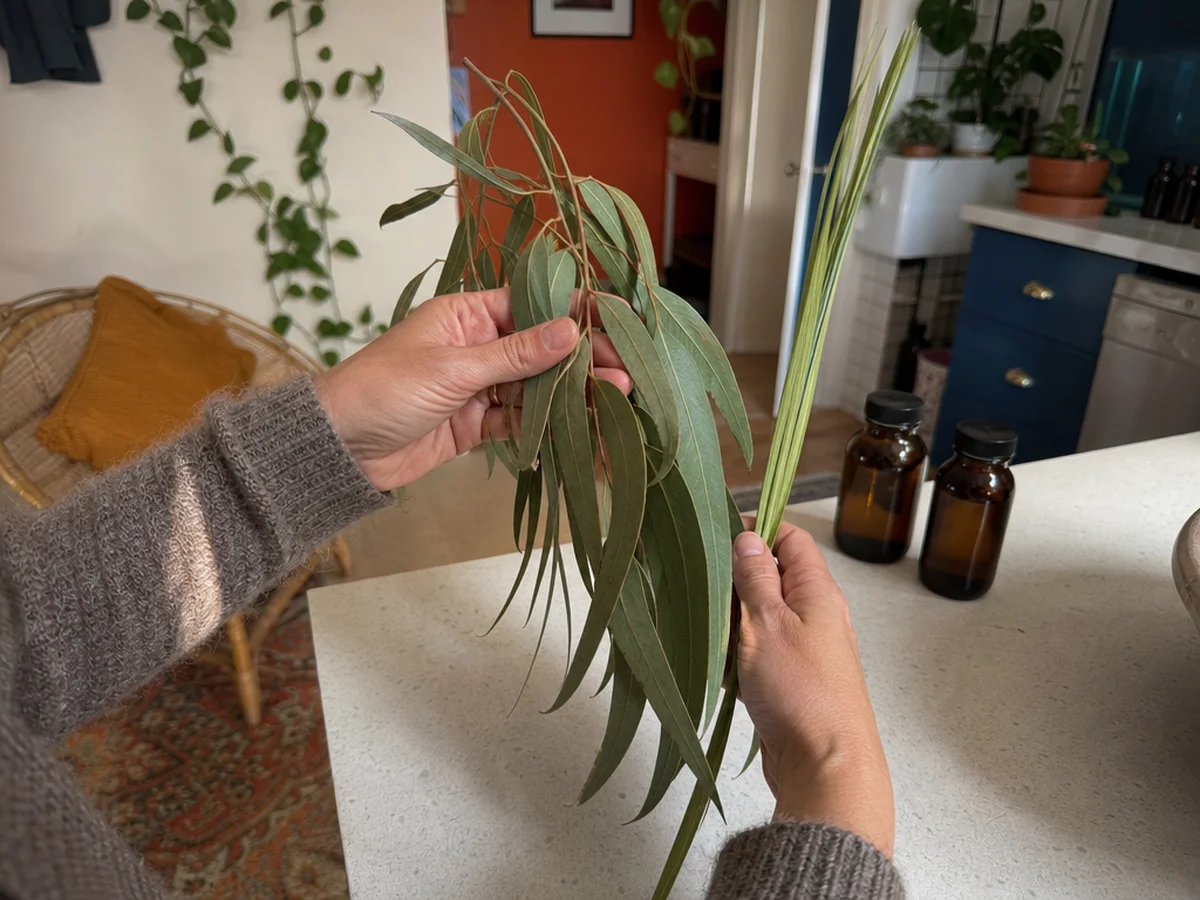
This is where the names cause trouble. The registered ingredient called oil of lemon eucalyptus, along with its PMD component, comes from the distillation of lemon-scented gum leaves, and CDC lists it among the recommended active ingredients. But CDC also states that it does not recommend using "pure" oil of lemon eucalyptus, an essential oil that is not formulated, as a repellent. What we sell is that steam-distilled essential oil, and we offer it for fragrance: diffuser blends, soap, candles. If protection from bites is the goal, a registered product is the right purchase. We lay out the difference in oil of lemon eucalyptus versus the essential oil, and the ingredient comparison sets the registered options side by side.
Which to reach for
Choose citronella when you want that grassy, familiar outdoor aroma in a candle or torch and you are happy to treat it as ambiance. Choose lemon eucalyptus when you want a brighter, more citrus-led top note, for a diffuser at the end of the day or as a lively element in a candle of your own (see our patio candle piece). For the bites themselves, wear a registered repellent and let the candle do what it does well.

If you happen to have a citronella candle or bottle around, try a simple comparison. Put a drop of each oil on its own paper strip, wave them gently under your nose, and notice how they differ. You'll find the citronella grassier and more familiar, and the lemon eucalyptus brighter and crisper at the front. Do it again after ten minutes, and notice which one has faded first. Choosing between them is easier once your nose has an opinion.
The two oils make a good pair of neighbors on the shelf, kin in chemistry and different in feel, and each does its best work when you ask it for fragrance.
Whichever you pick, keep it a pleasure: a candle on the table, a diffuser in the evening, and a window open for the fresh air.
Lemon Eucalyptus Essential Oil
Lemon Eucalyptus Essential Oil from our own shop, in sizes from 0.5 oz to bulk.
From $9.99
Shop Now →Sources & Further Reading
- Fumigant antifungal activity of Corymbia citriodora and Cymbopogon nardus essential oils and citronellal against three fungal species, ScientificWorldJournal, 2014.
- Efficacy of the botanical repellents geraniol, linalool, and citronella against mosquitoes, Journal of Vector Ecology, 2009.
- Efficacy of Some Wearable Devices Compared with Spray-On Insect Repellents for the Yellow Fever Mosquito, Aedes aegypti (L.) (Diptera: Culicidae), Journal of Insect Science, 2017.
- Comparative efficacy of insect repellents against mosquito bites, New England Journal of Medicine, 2002.
- Regulation of Skin-Applied Repellents, US EPA.
- Mosquitoes, Ticks, and Other Arthropods, CDC Yellow Book.