Can You Bring Bug Spray on a Plane? TSA Rules
Bug spray is one of those packing items that looks simple until you are standing at the checkpoint holding a full-size can. The good news is that TSA has a clear answer for the version most travelers actually need, which is a repellent you put on your skin.

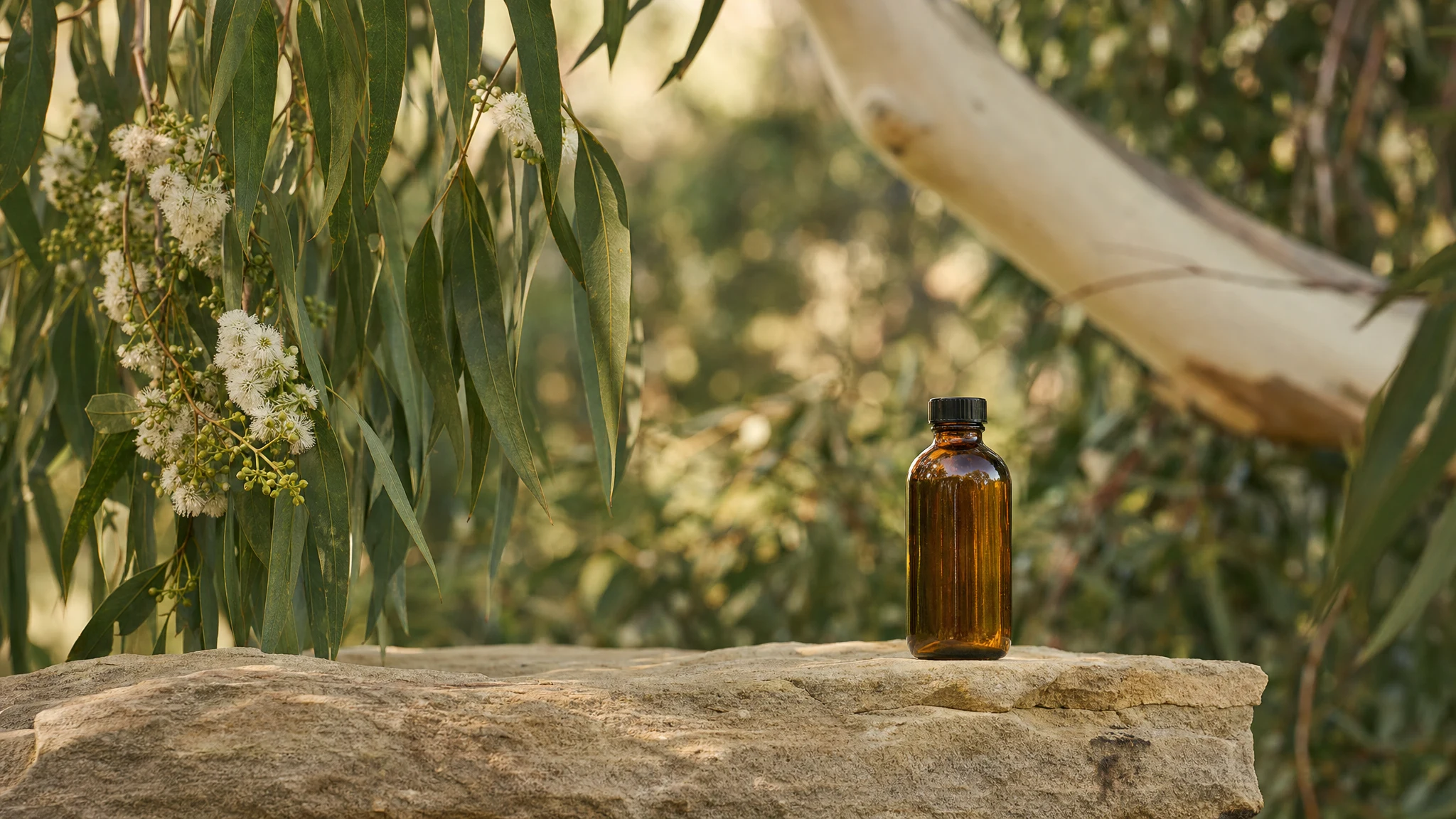
Lemon Eucalyptus Essential Oil
Our own Lemon Eucalyptus Essential Oil, in sizes from 0.5 oz to bulk.
From $9.99
Shop Now →The carry-on answer: small, skin-applied, in the quart bag
TSA's page for bug repellent says yes to carry-on bags as long as the container is 3.4 ounces (100 ml) or less. That puts it under the general liquids rule, which lets you bring a quart-sized bag of liquids, aerosols, gels, creams and pastes through the checkpoint in travel-sized containers. Anything in a bigger container belongs in checked baggage.
One detail worth knowing: the limit is about the container, not what is left inside. A half-empty 6-ounce can is still a 6-ounce can. That is our reading of TSA's container wording, but it is how the rule is built, so a small bottle bought for the trip is simpler than a partly used one from the garage.
Checked bags have room, with a ceiling
For checked baggage, TSA passes along the FAA's limits on toiletry-type articles, aerosols included. Each container can hold no more than 0.5 kg (18 ounces) or 500 ml (17 fluid ounces), and your total across all such items cannot go over 2 kg (70 ounces) or 2 L (68 fluid ounces). That total is shared with everything else in the bag: hairspray, deodorant, sunscreen, shaving cream. A family packing one bag for four can reach it faster than you would guess, so it helps to add the container sizes up before you zip the suitcase.
If the repellent comes with a spray button or nozzle, TSA says it needs a cap or other protection against accidental release. A snug cap and a zip bag around the bottle is a sensible habit for leaks too, though that part is our suggestion rather than a TSA rule.
The category that does not fly
This is the part that surprises people. TSA says only repellents applied to the skin are accepted. Insect repellents or insecticides designed to be sprayed into the air or at the insect are not permitted in carry-on or checked bags. So the question to ask of any can is what its label says it is for. A skin repellent and a room or wasp spray can look alike on a shelf and travel very differently.
TSA also notes that the final call rests with the officer at the checkpoint, and airlines can add their own rules. A quick look at TSA's "What Can I Bring?" tool the week you travel is worth the minute it takes.
A packing routine that saves a scramble
A little order the night before makes the checkpoint painless. Here is the routine we would follow:
- Check the size printed on each bottle and set aside anything over 3.4 ounces for checked baggage.
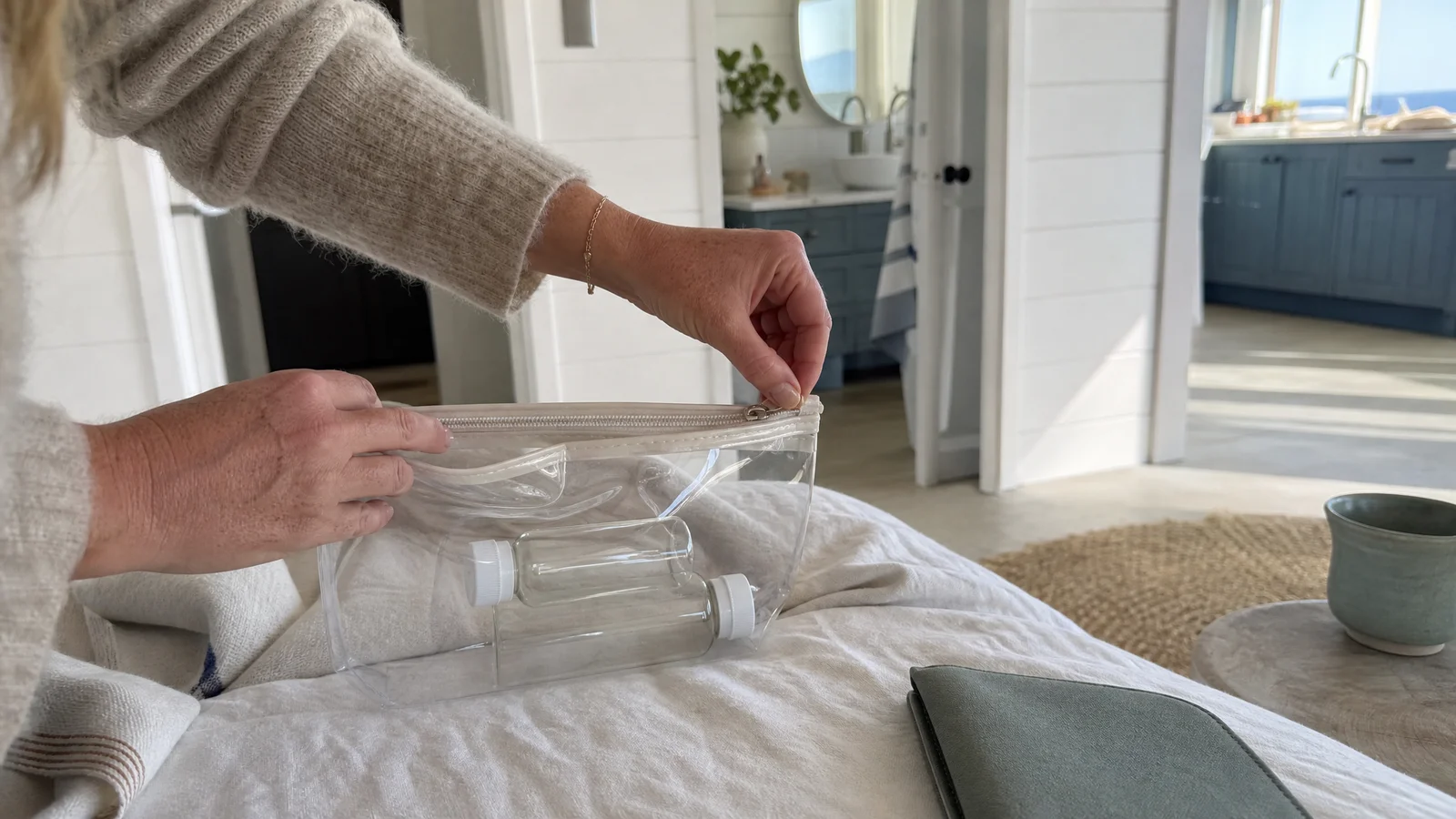
- Put the small skin repellent in the quart bag with the rest of your liquids, with the cap pressed down firmly.
- Wipe the outside of every bottle so the bag stays clean and nothing sticks together.
- Keep the quart bag at the top of your carry-on so you can take it out without unpacking half your things.
When you land, move the repellent to a pocket of your day bag so it is within reach as you step off, not buried at the bottom of the suitcase.
Choosing the repellent itself
If your destination has serious mosquito-borne illness, the repellent matters more than the packing logistics. CDC's travel guidance is to use an EPA-registered repellent with one of six active ingredients: DEET, picaridin, IR3535, oil of lemon eucalyptus (OLE), para-menthane-diol (PMD) or 2-undecanone, applying repellent after sunscreen. For children, CDC says not to use OLE or PMD products under 3 years old. Our walk through of how the six ingredients compare and our travel mosquito guide go deeper on choosing.
We should be clear about our own shelf. We sell one thing, a steam-distilled lemon eucalyptus essential oil, and it is not an EPA-registered repellent. Registered OLE is a refined product made by other companies, and our OLE versus essential oil comparison explains how the two differ. For protection from bites, a registered repellent from a pharmacy or outdoor shop is the right buy.
What about a bottle of essential oil in your luggage?
Plenty of travelers like to bring a favorite scent for a hotel room. TSA's liquids rule speaks about liquids in general, so the same arithmetic applies to a small bottle of oil: at or under 100 ml it fits the quart bag, and larger goes in checked baggage. That is our reading of the general rule, not a statement TSA makes about essential oils specifically. Of the sizes we sell, 0.5, 1 and 2 ounces sit comfortably under the line, while 4 ounces is about 118 ml, so it travels checked. Tighten the cap, put the bottle in a sealed bag and keep it away from anything that could be damaged by a leak.
A tiny bottle of a scent you love can make a hotel room feel like yours for the week, and it takes up almost no room.
Whichever bottle you pack, the best travel habit is the same: read the label, check the container size, and leave a little space in the quart bag for the things you forgot you would need.
Lemon Eucalyptus Essential Oil
Lemon Eucalyptus Essential Oil from our own shop, in sizes from 0.5 oz to bulk.
From $9.99
Shop Now →