Does Bug Spray Damage Sunglasses and Jackets?
Anyone who has fogged the lenses of a favorite pair of sunglasses with bug spray knows the sinking feeling. Repellent and gear share a lot of time outdoors, so it is worth knowing which materials need a little protection from the spray.

Lemon Eucalyptus Essential Oil
Our own Lemon Eucalyptus Essential Oil, in sizes from 0.5 oz to bulk.
From $9.99
Shop Now →The ingredient with a reputation
Most of the gear folklore traces back to DEET. Penn State Extension says DEET can damage plastics, synthetic fabrics, leather, and painted or varnished materials, while leaving natural fibers such as cotton and wool alone. That one sentence explains the familiar warnings about eyeglass frames and watch crystals. Poison Control adds that IR3535 can melt some plastics and damage some fabrics, and that picaridin is non-damaging to clothing and plastics.
Oil of lemon eucalyptus does not appear in either source, so we will not claim it is gentler or harsher. The honest reading is that the materials question depends on the specific product, and the label and the maker are the authority on it. Our guide to choosing a lemon eucalyptus repellent covers what to look for on a label.
Apply it so it never reaches your gear
Technique does most of the work. EPA advises applying repellent only to exposed skin and to the outside of clothing, never under clothing, and for sprays, spraying your hands first and then spreading it on your face. A few habits keep product off the things you care about:
- Take glasses, sunglasses and watches off before you apply.
- Spread the product by hand rather than misting around you.
- Wash your hands, and let the repellent dry, before you pick up a phone, camera or lenses.
- When you come indoors, wash treated skin and clothes with soap and water, as EPA suggests.
The full routine is in how to apply lemon eucalyptus repellent, and the differences between formats are in spray versus lotion.
What lives in your pockets and pack
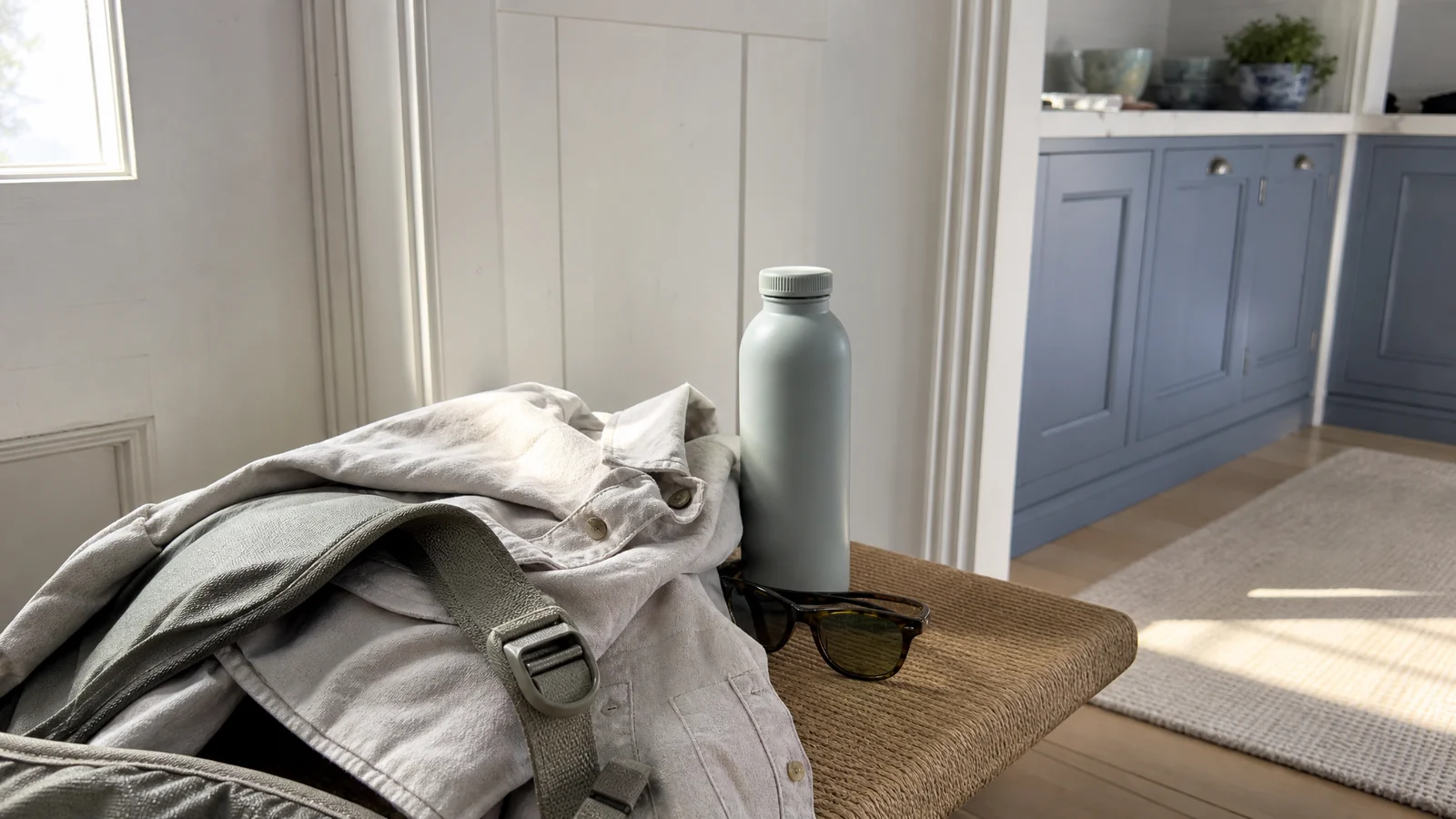
Before you head out, run through a quick gear list in your head: sunglasses, watch, phone case, camera strap, trekking pole grips, water bottle, the plastic sleeve on the trail map. Glossy plastics, rubbery coatings and painted or varnished finishes are worth a second thought, because they sit right where your hands go after you have handled a bottle of anything.
A small habit helps more than any list. Keep your repellent in one pocket and nothing else in that pocket, so the bottle never rides next to the good lenses.
A fabric spot test worth the minute
If a label allows use on clothing and you want to, try this simple routine, which is our suggestion rather than a maker's protocol. Pick a hidden spot such as an inside hem. Apply a small amount as the label directs and let it dry completely. Compare it in daylight with an untouched part of the same fabric, looking for color change, a sticky feel or a changed sheen. If anything looks different, keep that garment repellent-free and apply to skin only. For rain shells and tent flys with water-repellent finishes, a spot test will not tell you how the finish holds up over time, so the gear maker is the one to ask.
Skin layer, clothing layer
Clothing repellent is a separate tool, and it plays by separate rules. Permethrin, for instance, is for fabric only. Penn State is blunt about it: treat clothing only, never skin. CDC's Yellow Book says permethrin-treated clothing repels and kills ticks, chiggers and mosquitoes, and that permethrin must never be applied to skin. Treat outer fabric lightly, outdoors, and let it dry fully before wearing. We compare the approaches in lemon eucalyptus versus permethrin, and bug protection for hiking and camping shows how the layers fit into a kit.
A tidy end-of-day routine
When you get home, wash your hands first, then handle the gear. Wipe lenses and frames with a clean, soft cloth and look at them under a bright light. A cloudy patch, a tacky feel or a dull spot on a painted finish is your cue to stop using that product near that item.
Hang jackets and packs somewhere airy rather than stuffing them straight into a closet, and give anything you treated a proper chance to dry out. It takes two minutes and it keeps small problems from turning into permanent ones.
A word about our oil
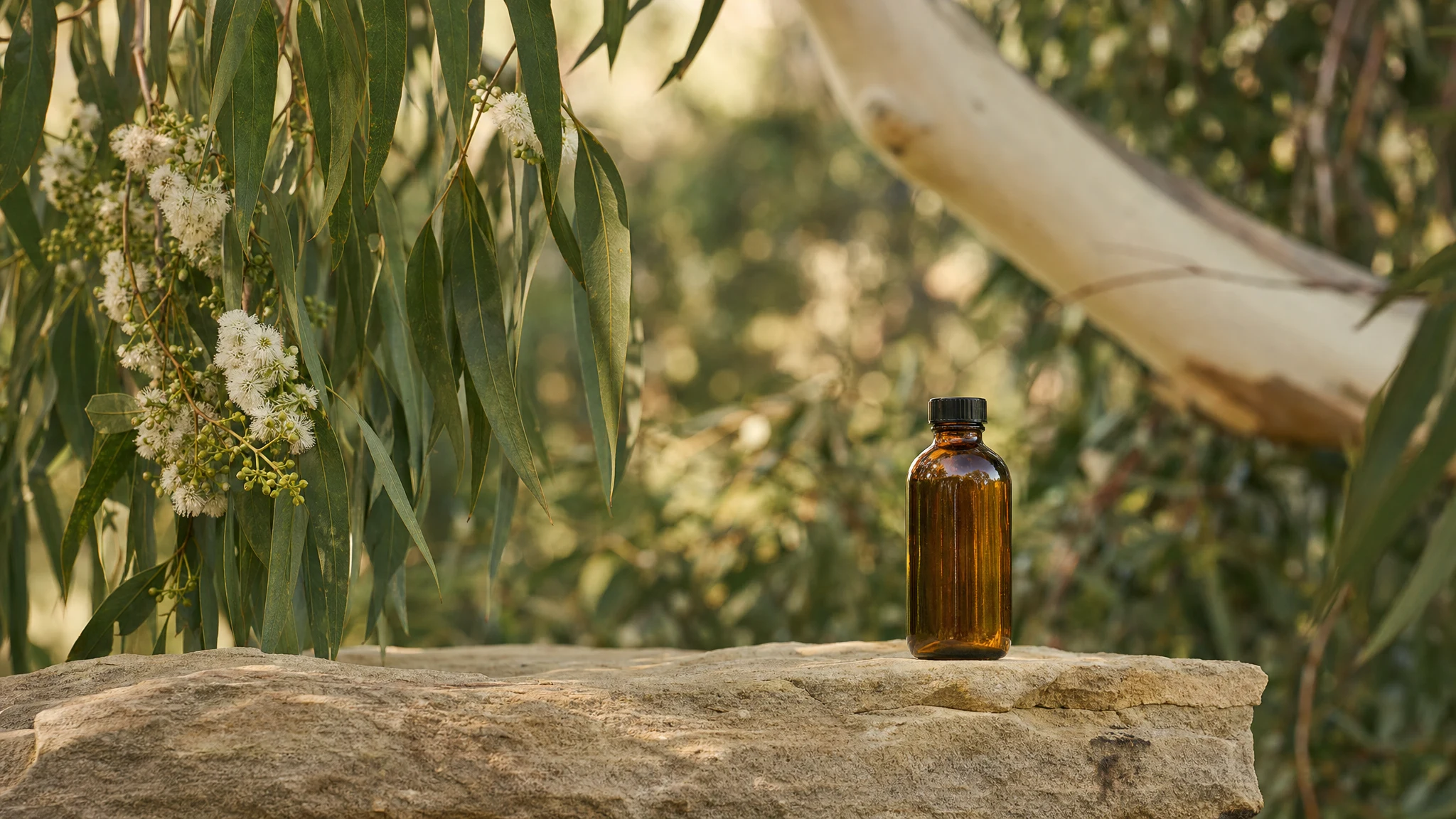
We sell lemon eucalyptus essential oil, a bright, lemony aromatic for diffusers, soap and crafts. It is not a registered repellent and we do not recommend it for skin or clothing as a bug deterrent. It is also an undiluted concentrate, so keep the bottle off finished surfaces and plastics, and wipe up spills promptly.
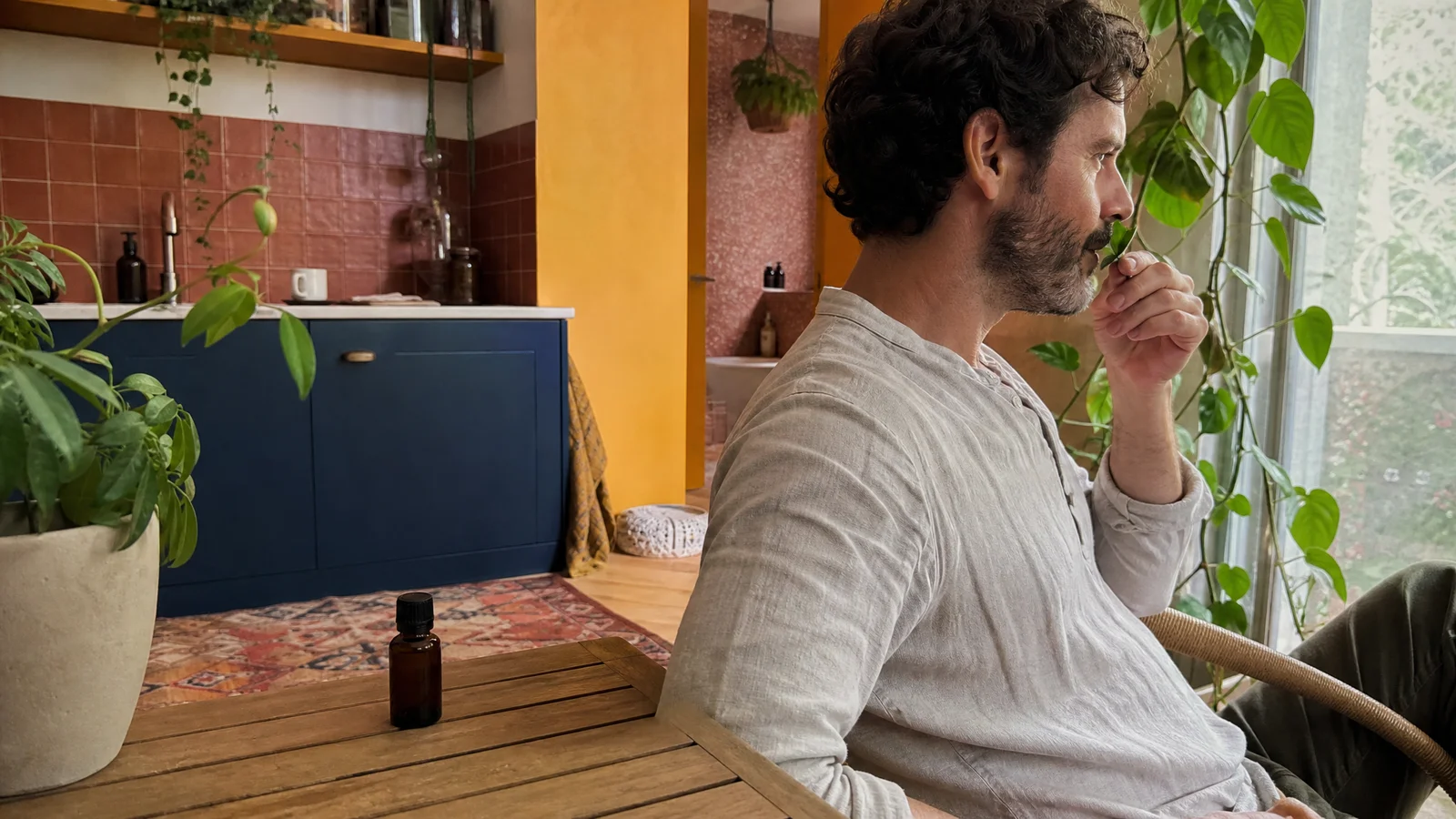
If you ever decant a little of our oil for a craft table, do it over a tray or an old plate, so a stray drop lands on something that does not mind. Open the bottle and you will meet a bright lemon note first, then a crisp, lightly camphorous green underneath, and it is a scent worth keeping off your sunglasses and on your workbench.
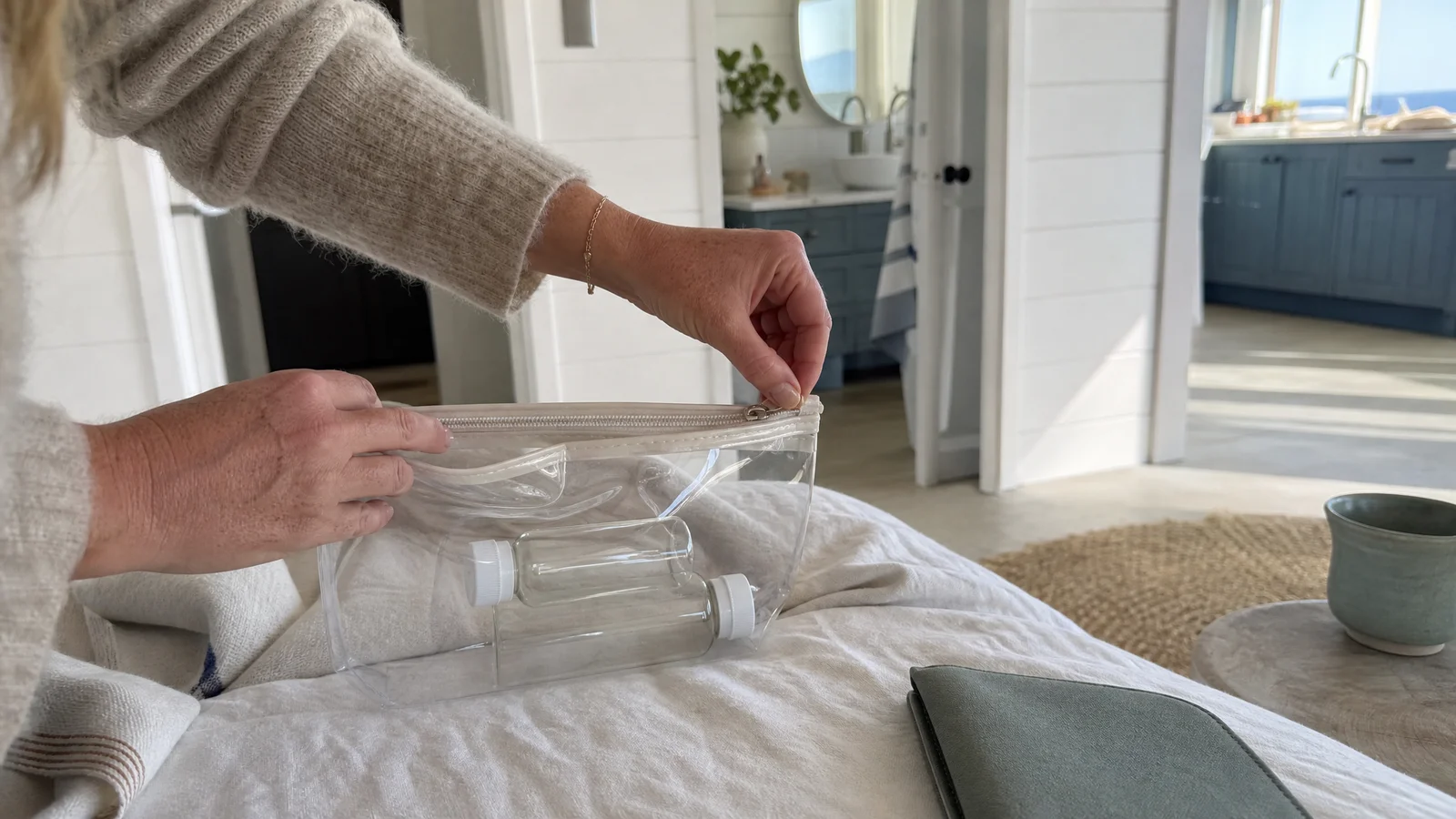
One more habit is worth adopting: pack repellent in a sealed pouch or zip bag, away from cameras, lenses and the good map, so a leaking cap never becomes a gear problem. It is a small step, and it spares you the cleanup at the end of a long day on the trail.
Whatever you carry, the label in your hand is the final word on what a product can touch. When you are unsure, spot-test, keep it on skin, and take your sunglasses off first.
Lemon Eucalyptus Essential Oil
Lemon Eucalyptus Essential Oil from our own shop, in sizes from 0.5 oz to bulk.
From $9.99
Shop Now →