Mosquito Protection for Travel: Why One Bottle Falls Short
In 2024, CDC counted 3,483 travel-associated dengue cases among US travelers, a record and an 84% jump over the year before. Mosquitoes on the road carry stakes that a backyard evening does not, and a single bottle of anything is a thin plan for them. Here is how the public health sources suggest building a better one, and where a lemon eucalyptus product might and might not belong.

Lemon Eucalyptus Essential Oil
Our own Lemon Eucalyptus Essential Oil, in sizes from 0.5 oz to bulk.
From $9.99
Shop Now →First, which "lemon eucalyptus"?
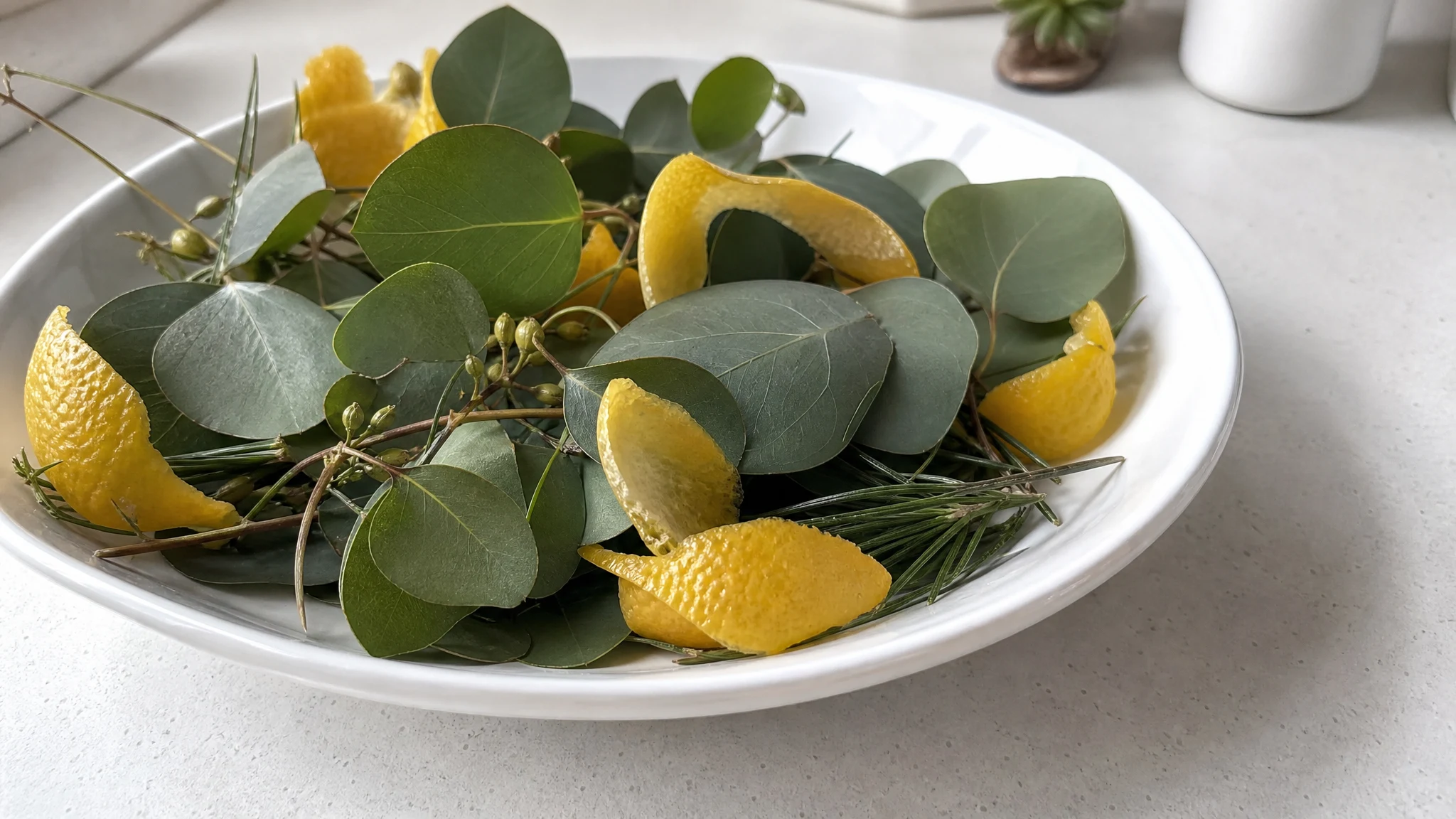
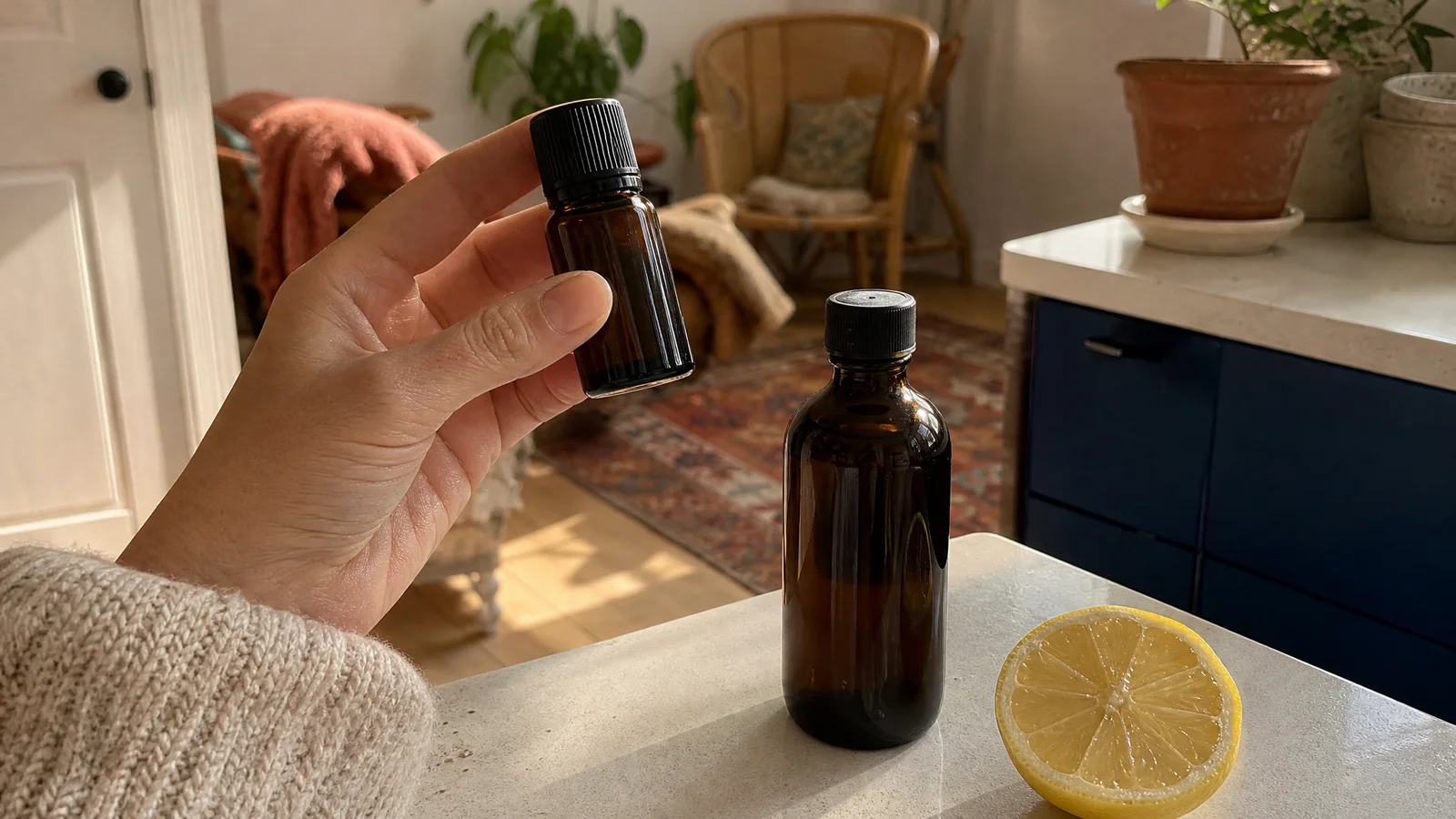
Travelers who search this term run into two products. One is an EPA-registered repellent whose active ingredient is oil of lemon eucalyptus (OLE) or its refined component PMD, and CDC lists both among its recommended ingredients. The other is lemon eucalyptus essential oil, the steam-distilled leaf oil that we sell. Ours is an aromatic oil, and we sell the essential oil and not a registered repellent. CDC's mosquito page puts the decision plainly: "We do not know the effectiveness of non-EPA registered insect repellents, including some natural repellents." For a trip where a bite might carry a serious infection, that sentence is the one to plan around. Keep our oil in the "souvenir and scent" category, a lovely thing to diffuse when you get home, and not in the protection category.
Start with the destination, not the spray
Malaria, dengue and Zika behave differently, and the right plan depends on where and when you are going. WHO says malaria mostly spreads through the bites of some infected female Anopheles mosquitoes, and that people visiting areas where it is common should see a doctor several weeks before leaving, because the doctor can recommend preventive medication suited to the destination. That visit does more for your safety than any item in your suitcase. A travel clinic or your physician can match advice to your itinerary, season, age and health, and this article is a summary of what CDC and WHO publish rather than medical advice.
The layers CDC describes
| Layer | What CDC's Travelers' Health page says |
|---|---|
| Where you sleep | Choose lodging with air conditioning or window and door screens, and sleep under a mosquito net outside or when screened rooms are not available. |
| What you wear | Long-sleeved shirts and long pants. Use 0.5% permethrin to treat clothing and gear, and never put permethrin products directly on skin. |
| What you apply | An EPA-registered repellent. If you also use sunscreen, apply the repellent after it. |
| What you take | For malaria areas, the preventive medication your clinician prescribes. WHO also advises sleeping under a net where malaria is present. |
WHO adds that repellents containing DEET, IR3535 or icaridin are advised after dusk in malaria areas, along with coils, vaporizers, protective clothing and window screens as extra protection. The research on repellents and malaria is also sobering: the Cochrane review of ten randomized trials found insufficient evidence to conclude that topical or spatial repellents can prevent malaria. That does not make repellents pointless, since biting less is always better, but it explains why nets, screens, clothing and medication carry so much of the load.
Where an OLE or PMD repellent fits
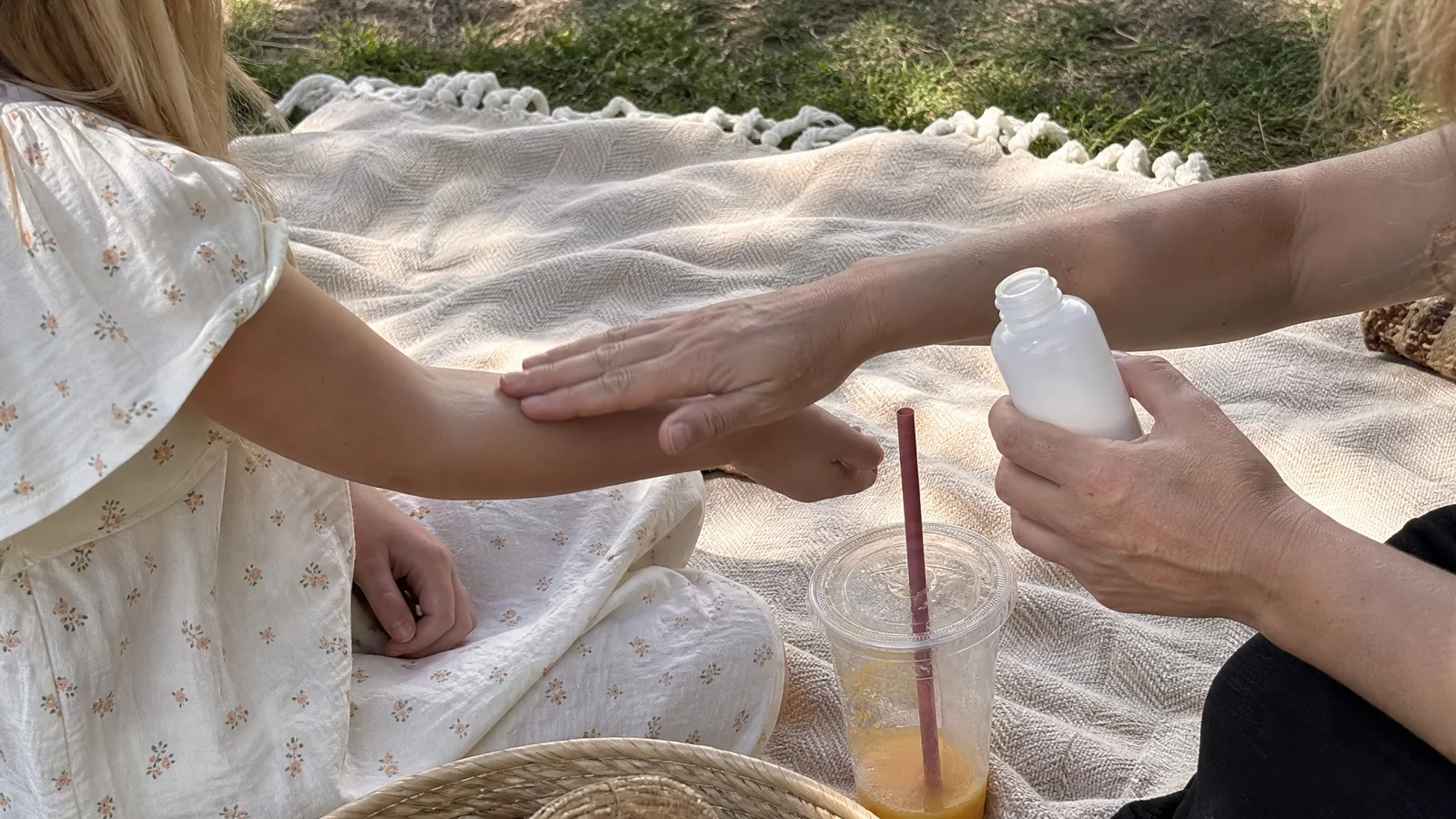
We sit outside the repellent category, so this is a view from the sidelines. OLE and PMD products belong on CDC's list, and some travelers prefer them to DEET. Two limits are worth knowing before you board. CDC says not to use products containing OLE or PMD on children under 3 years old, so a family with a toddler needs a plan built with a pediatrician. And the label is the product: concentrations, directions and reapplication intervals vary by brand, so read the one on the bottle you are holding. Our guide to reading a repellent label shows what to look for, and lemon eucalyptus vs DEET and insect repellent ingredients compared set out the trade-offs between actives.
Look at the room before you book it
Where you sleep is the layer you will rely on every night, so look at it with a critical eye. Check the listing photos for window screens, and ask the host or front desk in plain words: are there screens on the windows and doors, and does the room have air conditioning? If the answer is vague, plan to bring a net.
When you arrive, give the room a quick walk-through. Look for gaps in the screens or under the door, and if you use a net, check it for holes and tuck it in properly before you unpack.
Write a one-page plan
A page you can fold into your passport folder beats a plan in your head. List the date of your clinic visit, what clothing you have treated, the repellent you have chosen and its registration number, and where you are sleeping. If something changes on the road, you have a place to see what you decided and why.
Packing notes
- Book the clinic visit early, before you finalize the trip.
- Buy clothing already treated with permethrin, or follow the product's label exactly.
- Bring a net if your lodging cannot promise screens or air conditioning.
- Check the label of any repellent for an EPA registration number.
- Leave essential oil off your skin and clothing as a bite barrier, which includes ours.
The sources all say the same quiet thing: no single method does the whole job. Put your effort into the clinic, the room and the clothes, and let the lemon oil wait on the shelf at home for when you return and want your kitchen to smell like sunshine again.
Lemon Eucalyptus Essential Oil
Lemon Eucalyptus Essential Oil from our own shop, in sizes from 0.5 oz to bulk.
From $9.99
Shop Now →Sources & Further Reading
- Avoid bug bites | Travelers' Health | CDC
- Preventing Mosquito Bites | Mosquitoes | CDC
- Ongoing Risk of Dengue Virus Infections and Updated Testing Recommendations in the United States | HAN | CDC
- Malaria (World Health Organization fact sheet)
- Mosquito repellents for malaria prevention (Maia et al., Cochrane Database Syst Rev 2018)