Is Lemon Eucalyptus CDC Recommended? What It Means
"Lemon eucalyptus is CDC recommended." You will see that sentence on product pages, blogs and bottles, and it is both true and easy to misread. It depends entirely on which lemon eucalyptus is in the bottle.

Lemon Eucalyptus Essential Oil
Our own Lemon Eucalyptus Essential Oil, in sizes from 0.5 oz to bulk.
From $9.99
Shop Now →Two things share one name
CDC's travel guidance lists six active ingredients to look for in EPA-registered repellents: DEET, picaridin, IR3535, oil of lemon eucalyptus (OLE), para-menthane-diol (PMD) and 2-undecanone. In its Yellow Book chapter on mosquitoes and ticks, CDC describes PMD as the synthesized version of OLE and says it does not recommend using "pure" oil of lemon eucalyptus as a repellent. That is the essential oil we sell, an unformulated leaf oil.
The reason is not a quarrel with the tree. The registered OLE on a repellent label is a refined, regulated material that has been through EPA's review for safety and effectiveness. The aromatic oil has not, and EPA says oils of this kind that sit outside registration have not been evaluated for effectiveness. We go into the chemistry in oil of lemon eucalyptus versus lemon eucalyptus essential oil.
Put simply, a registered repellent is built to do a job on skin, and it is formulated and labeled for it. A bottle of essential oil is built for the nose. Neither is better than the other; they are made for different things, and mixing them up is where the disappointment comes from.
What we sell, plainly
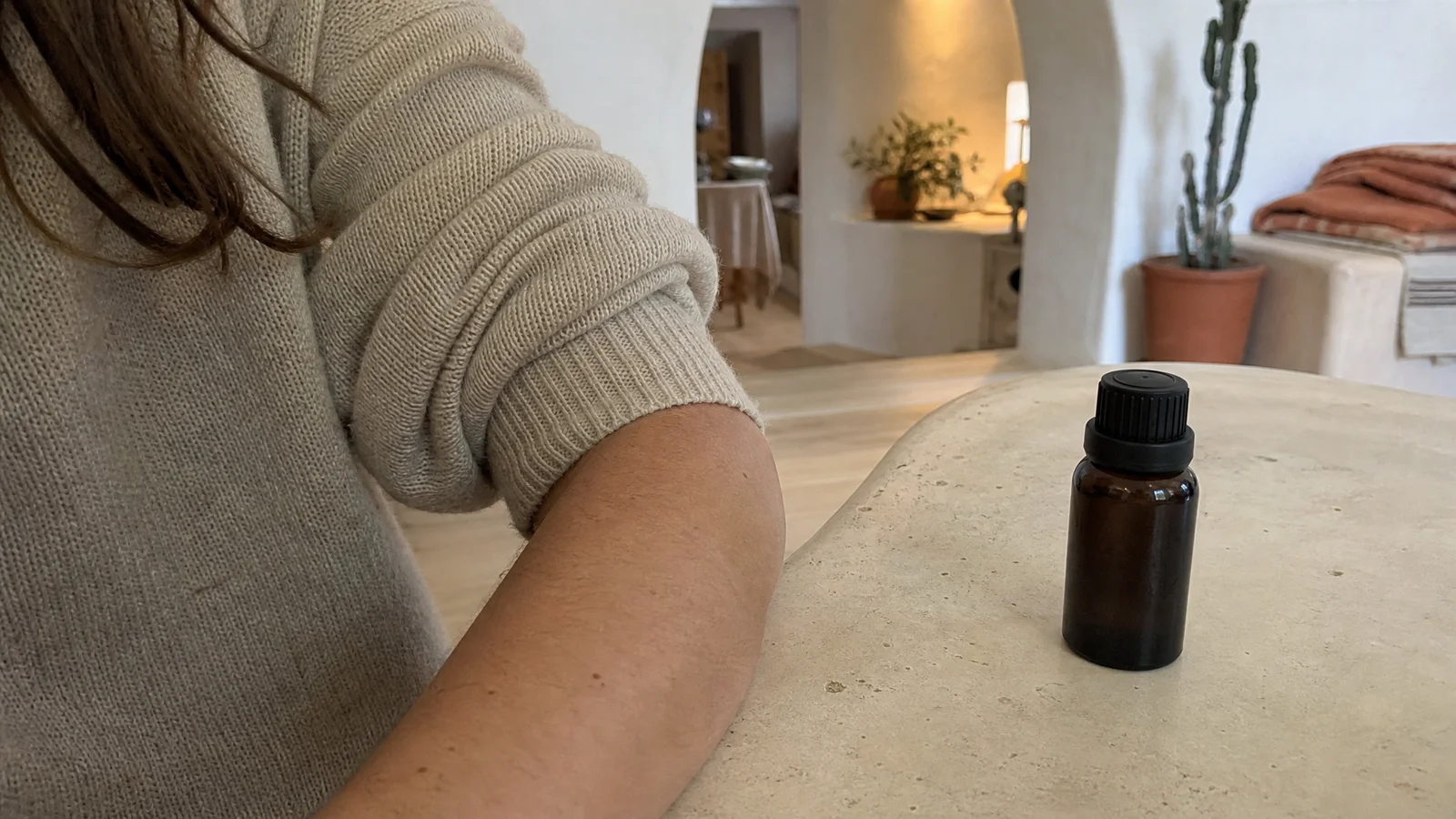
Our bottle is Lemon Eucalyptus Essential Oil, steam-distilled from the leaves of the lemon-scented gum, with a bright, lemony and green aroma and a lightly camphorous base. We sell it as an aromatic for diffusing, soap, candles and crafts. It is not a registered repellent, and our how-we-test page says we will not imply otherwise. If you want something to keep bugs off, you want a registered product from a pharmacy or outdoor shop, and we are glad to point you there.
What "CDC recommended" does and doesn't mean
CDC recommends active ingredients inside registered products. It does not certify brands, and EPA states that it does not identify or recommend specific pesticide products. A bottle that says "CDC approved" is usually shorthand for "contains an ingredient on CDC's list," which is a prompt to look for a registration number, not proof of anything. The number itself means something specific: the company gave EPA technical information on the product's safety and effectiveness against mosquitoes, ticks or both.
Think of the registration number as the repellent's passport. It does not say the bottle is the best one on the shelf. It says the product has been through a review, and it gives you a way to look it up.
Check any bottle in four steps
- Find the EPA Reg. No. It is printed on the label as two or three sets of digits separated by hyphens. No number means the product is not in the registered system. Our guide to reading an insect repellent label shows where to look.
- Open EPA's "Find the Repellent that is Right for You" tool. Pick mosquitoes, ticks or both, and narrow by protection time or ingredient. It lists only registered, skin-applied repellents.
- Match the number, not the name. One product can be sold under several marketing names, so compare the registration number on your bottle with the record.
- Read the label. Protection times differ between products because testing conditions differ, so the time on the label matters more than the ingredient name.
The whole check takes about a minute, and it is worth doing in the pharmacy aisle with the bottle in your hand. Type the number into your phone, look at the record, and put the bottle in the basket or back on the shelf. If you are shopping online and the page does not show a registration number, ask the seller before you order.
Questions that come up next
Young children. CDC's travelers' guidance says not to use products containing OLE or PMD on children under 3, with a narrow exception for certain products with OLE as the sole active ingredient at 30% or less. Ask a pediatrician about anything for a young child, and see our guide to lemon eucalyptus and kids.
Comparing ingredients. CDC lists the registered ingredients together rather than naming a winner. Our ingredient comparison sets them side by side.
Homemade sprays. A spray you mix from an essential oil is not a registered product. We walk through why in does lemon eucalyptus repel mosquitoes.
It also helps to remember that protection varies between registered products. CDC notes that higher concentrations of active ingredient provide longer duration of protection. That is another reason the label beats the marketing, and why choosing by registration number and stated protection time serves you better than choosing by the ingredient name alone.
The phrase gets repeated a lot online, so we would rather explain it than let it pass. Being straight about the difference between an essential oil and a registered repellent is part of selling an oil we love honestly, and it means that when you open our bottle you know exactly what you are getting: a sunny, lemony, green aroma and nothing more than that.
The short version: look for the registration number, read the label, and if a trip carries health risks, ask a travel-medicine clinic what to pack. And if what you love is that sunny lemon-gum fragrance in your home, that is exactly what our oil is for.
Lemon Eucalyptus Essential Oil
Lemon Eucalyptus Essential Oil from our own shop, in sizes from 0.5 oz to bulk.
From $9.99
Shop Now →