Bug Spray and Lyme Disease: Which Layers Count?
The best Lyme prevention happens after the hike, in the shower and in front of a mirror, as much as it does at the trailhead. CDC puts the whole idea in one sentence: "The best way to protect yourself from Lyme disease is to prevent tick bites." Repellent is one step in that, a useful one, and it works best as part of a routine.

Lemon Eucalyptus Essential Oil
Our own Lemon Eucalyptus Essential Oil, in sizes from 0.5 oz to bulk.
From $9.99
Shop Now →What CDC actually recommends
CDC's Lyme prevention page lists a set of steps rather than a single product:
- Stay out of tick habitat like tall grass, brush and woods.
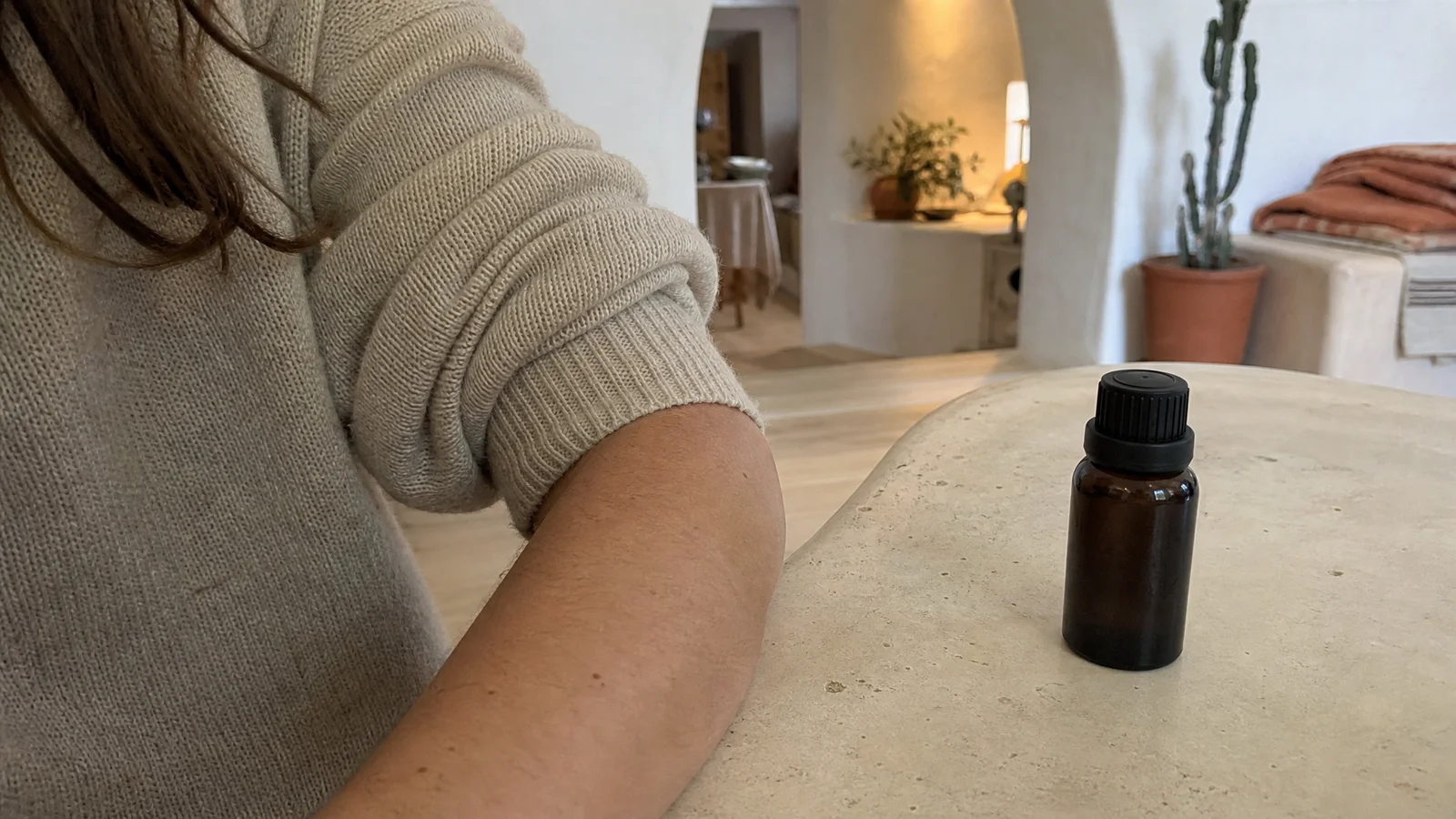
- Apply an EPA-registered repellent with an approved active ingredient. CDC's list includes DEET, picaridin, IR3535, oil of lemon eucalyptus, para-menthane-diol and 2-undecanone.
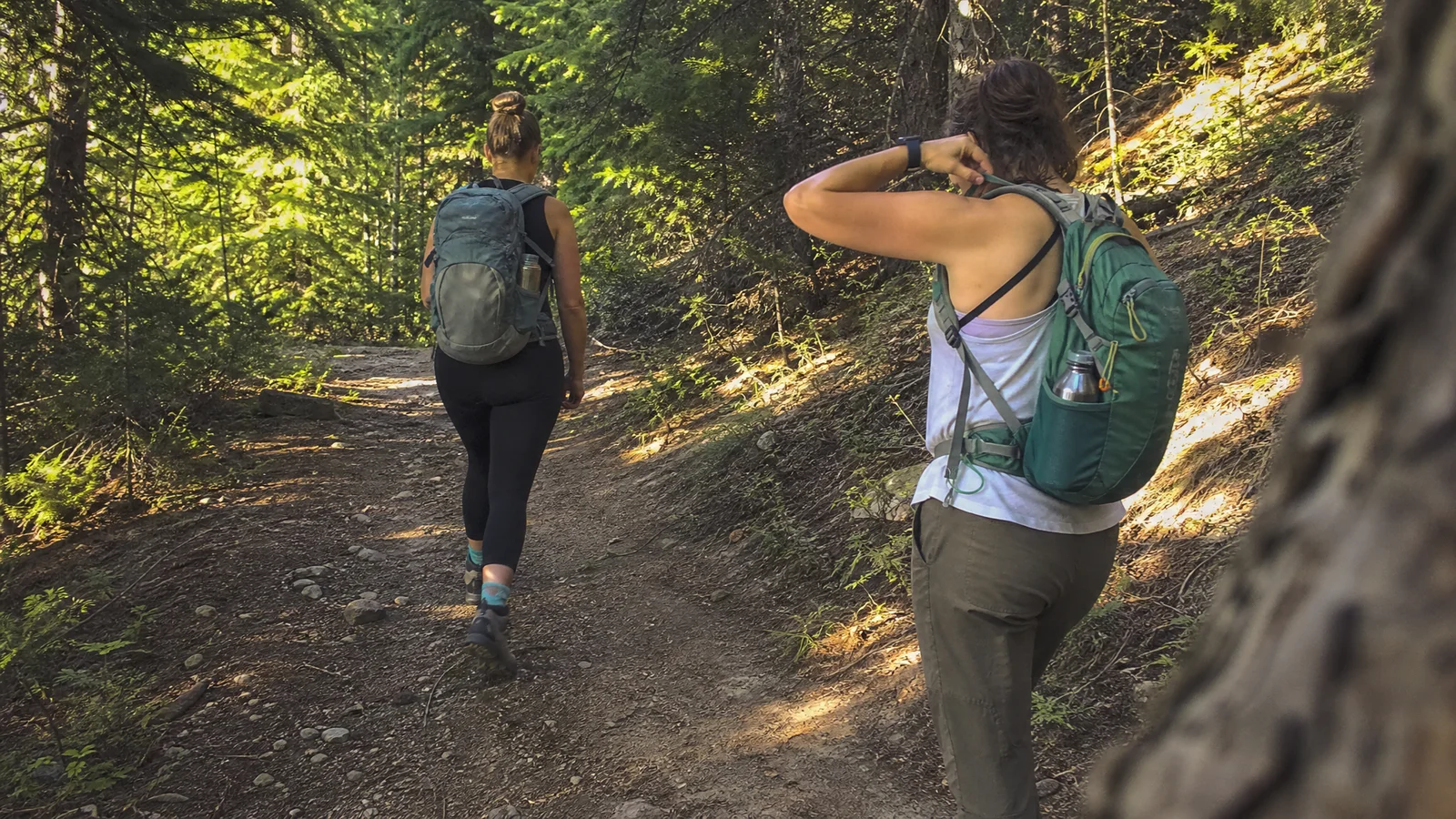
- Dress in long sleeves and pants, or use gear treated with permethrin.
- Inspect yourself, your clothing, your gear and your pets for ticks, including after time in your own yard.
- Shower after being outdoors to rinse off ticks that have not attached.
- Remove attached ticks promptly instead of waiting for a healthcare visit.
CDC's separate tick page adds specifics: permethrin at 0.5% on boots, clothing and gear, tumble drying clothes on high heat for 10 minutes to kill ticks, and showering within two hours of coming indoors, which has been shown to reduce the risk of Lyme disease. Notice the wording on repellent. CDC recommends it as a way to prevent tick bites, and does not say that any spray stops a disease.
Where lemon eucalyptus comes in
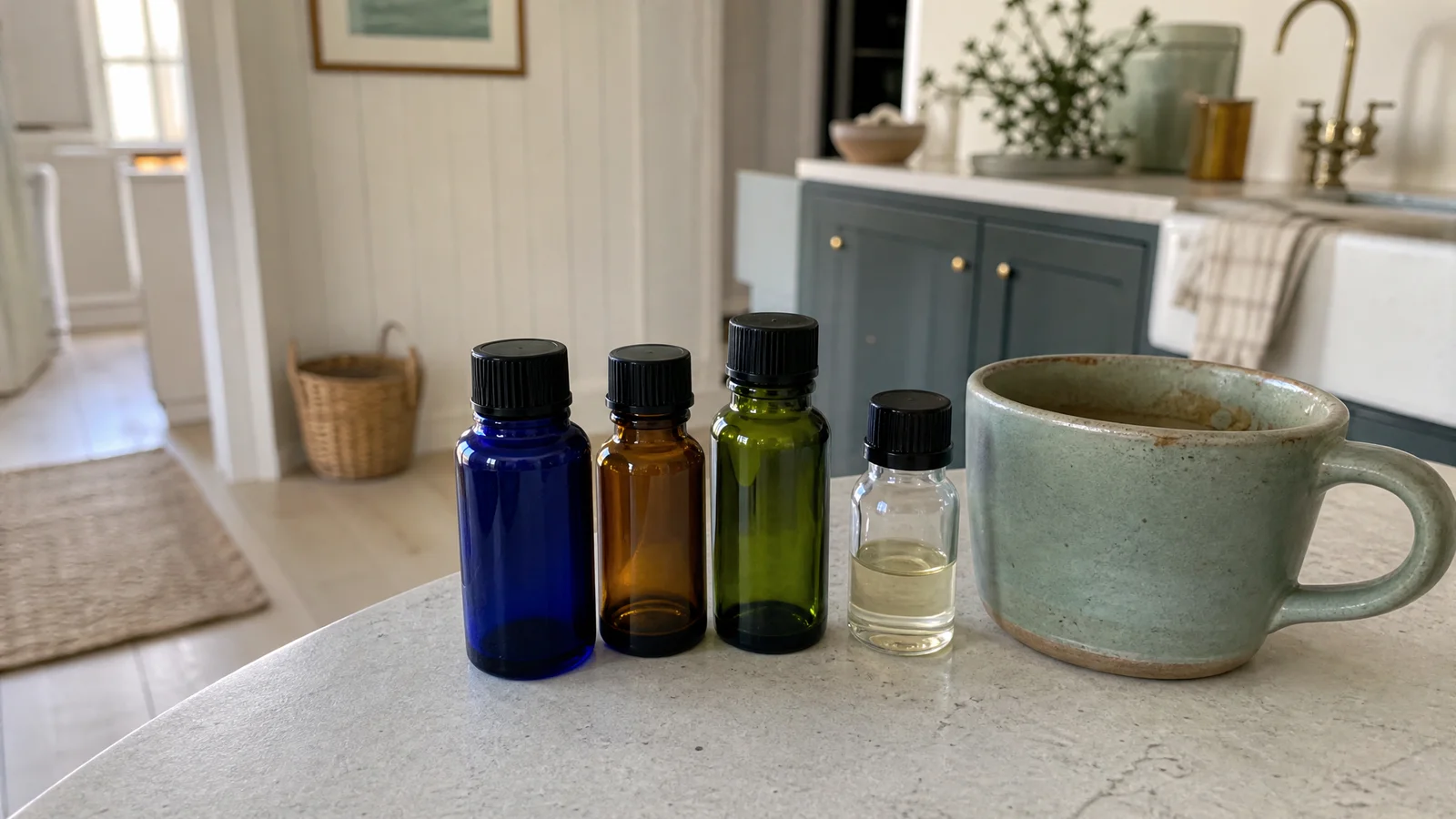
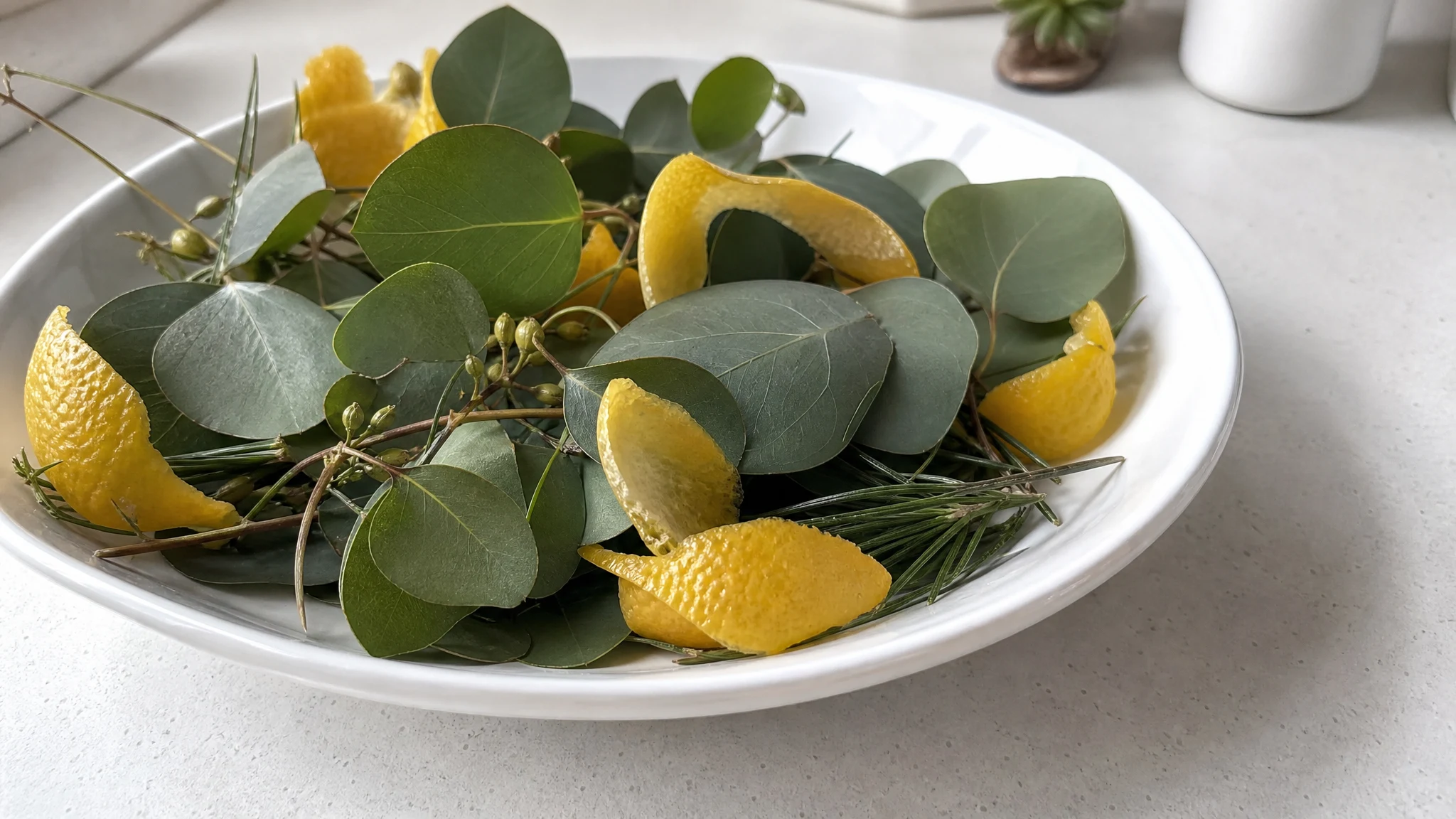
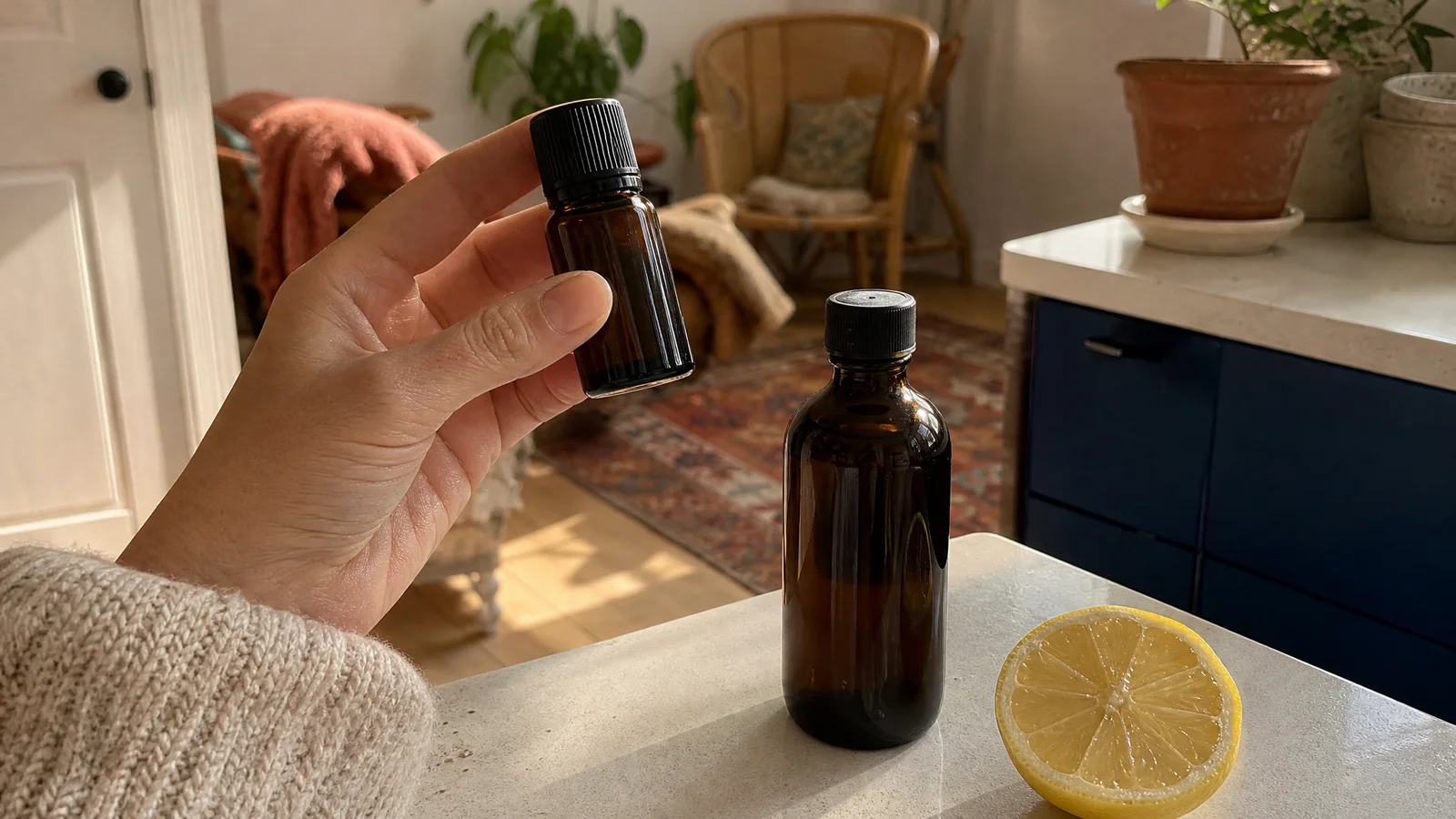
People land on this topic because they have read that "lemon eucalyptus" repels ticks. The registered products CDC mentions, those with OLE or PMD, are made by other companies. We sell lemon eucalyptus essential oil, which is a different thing: an aromatic, steam-distilled leaf oil, and not a registered repellent. We make no tick or illness claim for it, and CDC notes that the effectiveness of non-EPA-registered repellents, including some natural ones, is unknown. If you want to see how the refined ingredient is being studied, our piece on lemon eucalyptus and ticks goes into it, and the tick prevention guide covers the habits.
One recent lab study is a good illustration of why a spray is a layer and not a shield. A February 2026 study of a PMD-based fabric spray, summarized by Entomology Today, found strong repellency of blacklegged and American dog ticks in lab assays, while noting that field efficacy and any link to fewer bites or lower disease risk were still to be studied.
How the layers compare
| Layer | What it helps with | What it can miss |
|---|---|---|
| Avoiding tick habitat | Contact with questing ticks in brush and leaf litter | Ticks in your own yard |
| Permethrin-treated clothing | Ticks that climb onto fabric | Exposed skin |
| Registered repellent | Contact on treated skin, for the time on the label | Missed spots, and time passing |
| Shower within two hours | Unattached ticks | Ticks already attached |
| Full tick check | Attached ticks you can then remove | Places you did not look |
This table is our own summary of the CDC steps, not a CDC chart. The common thread is that each layer catches what another one misses, which is why the checklist works better than any single habit.
Which ticks, and where
CDC says Lyme disease bacteria are spread to people through the bite of infected blacklegged ticks, and that in the US the disease occurs most often in the Northeast, mid-Atlantic and upper Midwest. The western blacklegged tick spreads it along the Pacific coast, especially northern California. CDC also points out that a tick species being present in an area does not necessarily mean it transmits a specific disease there. For timing by region, see mosquito and tick season by region.
Turning the checklist into a habit
A checklist only works if it fits into the day you actually have. Many people find it easiest to attach each step to something they already do. Repellent goes on when the shoes go on. The tick check happens when the outdoor clothes come off. The shower is the one you were going to take anyway. Put a small mirror and a hand towel near the back door and it becomes even simpler.
It is also worth keeping a short list on the fridge for family members or house guests who are new to the routine. Children usually love a game of "find the tick", and it makes the check a normal part of coming inside.
If a tick is attached
CDC's advice is to act right away. Using clean fine-tipped tweezers, grasp the tick as close to the skin as you can and pull straight up with steady, even pressure, without squeezing its body. Then clean the bite and your hands. Do not use petroleum jelly, heat, nail polish or other substances to make it let go, do not twist or jerk, and do not delay removal to see a provider first. If you develop a rash or fever within several weeks, see your doctor and tell them about the bite. CDC's prevention page also suggests asking a healthcare provider whether a single dose of doxycycline after a tick bite is appropriate for you, a decision that belongs to a clinician.
That is the whole routine: a mindful walk, a thorough check and a quick shower. The rest is a matter of habit, and the lemon-scented bottle on our shelf can stay a candle-and-soap oil while the tick plan stays in capable hands.
Lemon Eucalyptus Essential Oil
Lemon Eucalyptus Essential Oil from our own shop, in sizes from 0.5 oz to bulk.
From $9.99
Shop Now →Sources & Further Reading
- Preventing Lyme Disease | Lyme Disease | CDC
- Preventing Tick Bites | Ticks | CDC
- About Lyme Disease | Lyme Disease | CDC
- Where Ticks Live | Ticks | CDC
- What to Do After a Tick Bite | Ticks | CDC
- Preventing Mosquito Bites | Mosquitoes | CDC
- Lemon Eucalyptus Oil Effective as Tick-Repellent Fabric Spray, Study Shows