OLE vs Lemon Eucalyptus Oil: What's the Difference?
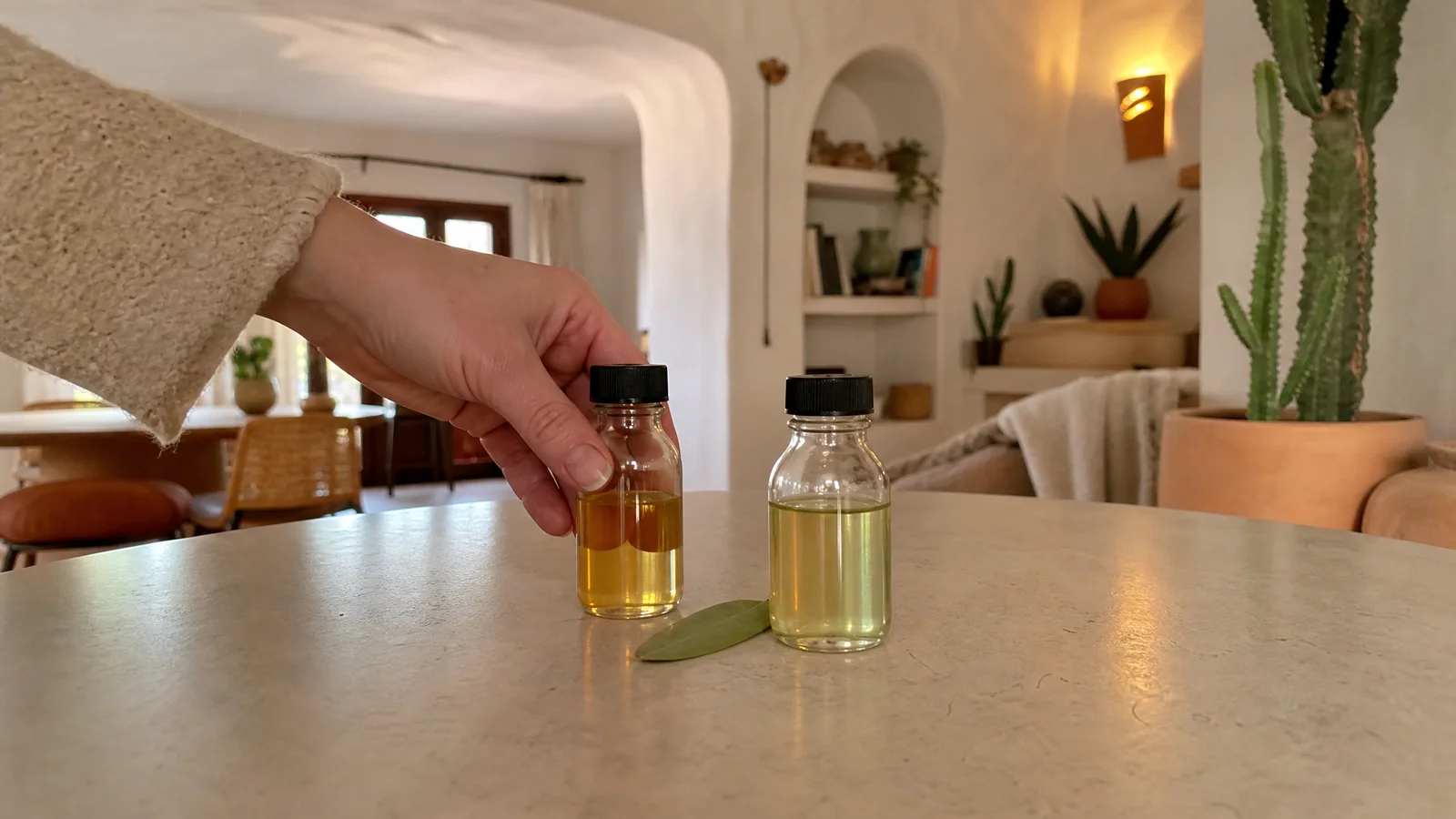
Two bottles, one tree, and a name that sounds almost identical. "Oil of lemon eucalyptus" is a regulated repellent ingredient; "lemon eucalyptus oil" is the leaf oil we steam distill into an aromatic. Mixing them up is easy, and the difference is worth knowing before you buy either.

Lemon Eucalyptus Essential Oil
Our own Lemon Eucalyptus Essential Oil, in sizes from 0.5 oz to bulk.
From $9.99
Shop Now →We get asked about this often enough that we gave it a page of its own. The short version is that a shared tree does not make a shared product, much as a grape and a raisin are not the same snack.
One tree, two very different products
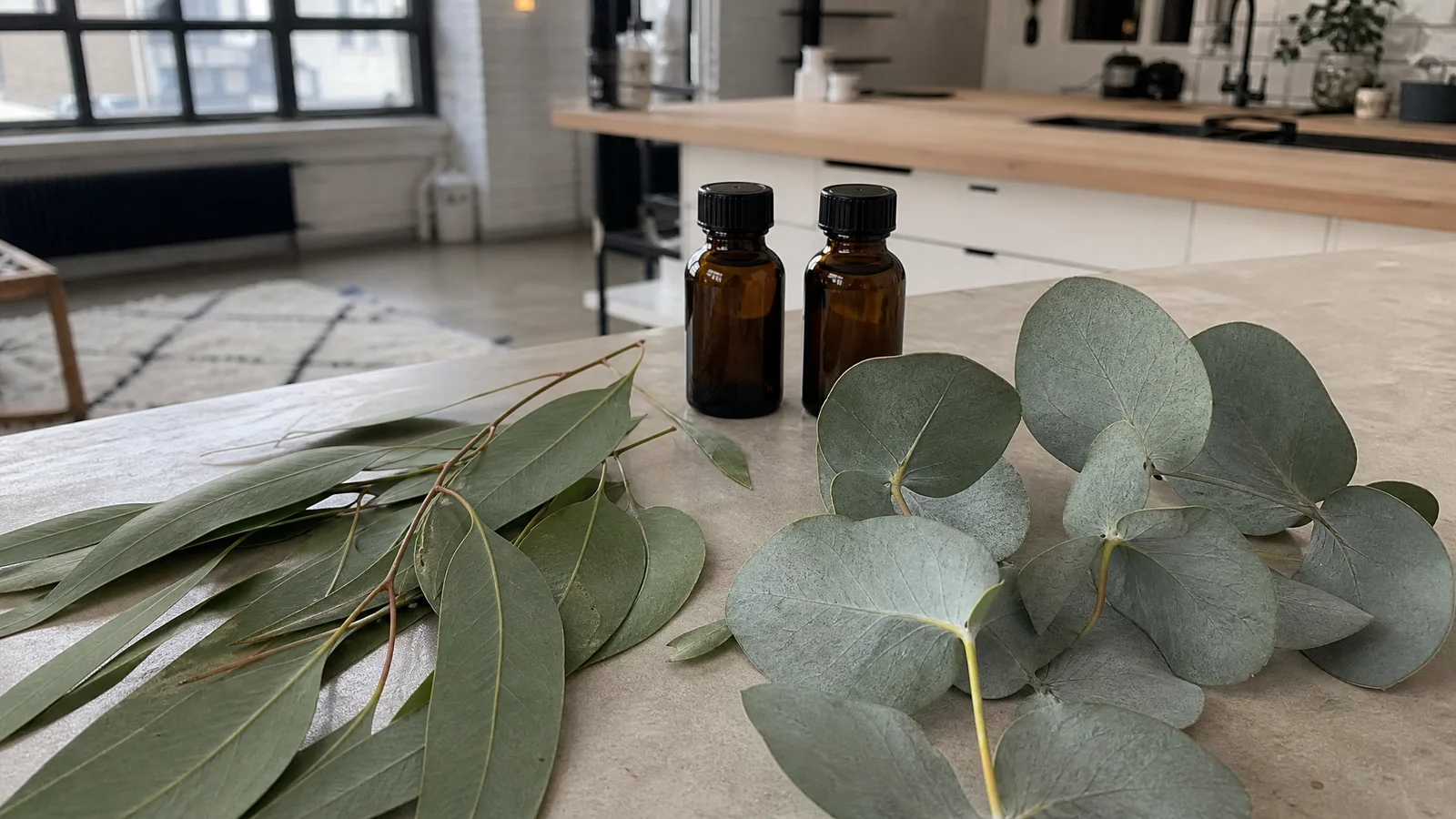
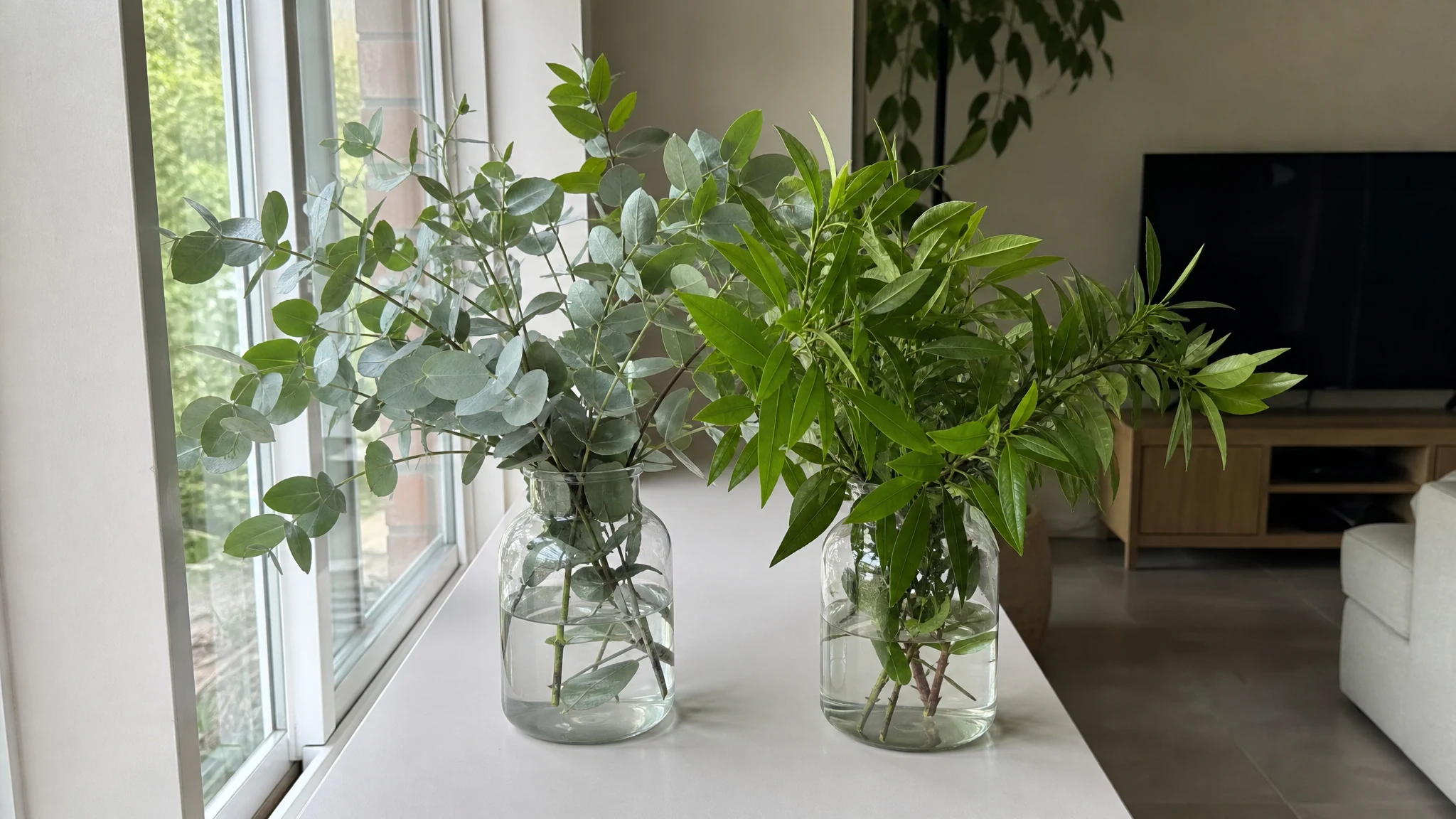
Lemon eucalyptus essential oil is what you get when the leaves of the lemon-scented gum (Corymbia citriodora) are steam distilled. It smells lemony, fresh and green, with a crisp, lightly camphorous base, and it is a top note in perfumery terms. We sell exactly this oil, and we describe it as an aromatic for diffusers, candles, soap and craft work.
Oil of lemon eucalyptus, or OLE, is a different thing. It is a refined, PMD-enriched ingredient used in EPA-registered repellents. Researchers describe PMD (para-menthane-3,8-diol) as a spent product of the distillation of lemon-scented gum leaves, and a review of plant-based repellents notes that the PMD-rich material left after distilling the oil was far more effective at repelling mosquitoes than the essential oil itself. That review also reports the essential oil as repellent for about an hour in one cited study, and says it has no EPA registration as a repellent.
What the regulators say
EPA keeps the two ingredient names separate. Its page on skin-applied repellent ingredients says oil of lemon eucalyptus contains PMD but is a separately regulated pesticide chemical, and it lists six registered products for each. CDC lists OLE and PMD among the recommended repellent ingredients, and it also says it does not recommend using "pure" oil of lemon eucalyptus, an essential oil that is not formulated, as a repellent, because that has not had validated safety and efficacy testing and is not registered by EPA.
This is where we are happy to be direct. We sell the essential oil, not a registered repellent, and we won't blur the line to make a sale. If you want protection from mosquitoes or ticks, choose an EPA-registered product from a pharmacy or outdoor shop. Our PMD explainer goes deeper into the chemistry.
If you are shopping online, the same rule holds. Product photos can look alike, so scroll down to the ingredient panel or the description and read the details before you add anything to a cart.
How to tell them apart on a shelf
- Find the EPA registration number. Repellents carry "EPA Reg. No." followed by digits. A bottle of essential oil does not.
- Read the active-ingredient panel. A repellent names "oil of lemon eucalyptus" or "PMD" with a percentage. An essential oil is simply the plant.
- Look for directions and an age statement. Registered repellents give them. CDC says not to use OLE or PMD products on children under 3.
- Be wary of the word order. "Oil of lemon eucalyptus" is the regulated name, while "lemon eucalyptus oil" is a common name for the essential oil, and retailers mix them. Trust the registration number and the panel over the title.
A "30% OLE" spray, by the way, describes the refined ingredient in a finished product. It is not a 30% dilution of leaf oil, so there is nothing you can mix at home to reproduce it.
A quick way to remember it
Here is a trick we like. If it came in a spray bottle or a lotion tube with directions, an age statement and a number starting with "EPA Reg.", it is the repellent. If it came in a small bottle that you open and sniff, it is the aromatic oil. They share a tree, but they live in different parts of the store, and they should stay in separate places in your cupboard too.
Think about where you would want to catch a whiff of it: a bright kitchen, a craft table, a bathroom with the window open. Those are the places this oil does its best work.
What the essential oil is for
This is the part we enjoy. Lemon eucalyptus oil has a bright citrus lift that feels sunnier and more open than standard eucalyptus. We recommend it for diffuser blends, soap and candle making, and room sprays, and we point you to what the oil is good for if you want ideas. It blends well with lemongrass, lavender, cedarwood, peppermint and sweet orange.
It is sold neat, so the dilution is yours to work out. For skin use in a homemade blend, we recommend 0.5% to 2% in a carrier oil, a patch test first, and a generally light hand, since citronellal, the molecule behind the lemon note, is a known skin sensitiser for some people. Keep it away from eyes, children and pets, and do not take it internally. If you already bought the essential oil hoping it would act as a repellent, simply use it for scent and buy a registered repellent for bug protection. If a rash appears after using diluted oil, stop and ask a pharmacist or physician. In case of a swallow or an eye splash, call Poison Help at 1-800-222-1222.
Keep any bottle of essential oil in a spot that children and pets cannot reach, and away from the repellents, so that nobody grabs the wrong one on the way out the door.
The natural versus synthetic piece takes this a step further, if you are weighing plant-derived choices in general. Two similar names, two jobs, and now you know which is which.
Lemon Eucalyptus Essential Oil
Lemon Eucalyptus Essential Oil from our own shop, in sizes from 0.5 oz to bulk.
From $9.99
Shop Now →Sources & Further Reading
- Mosquitoes, Ticks, and Other Arthropods (CDC Yellow Book 2026 Edition)
- Skin-Applied Repellent Ingredients (US EPA)
- Plant-based insect repellents: a review of their efficacy, development and testing (Maia and Moore, 2011)
- PMD, a registered botanical mosquito repellent with deet-like efficacy (Carroll and Loye, 2006)