Fishing Without the Mosquitoes: A Dawn Trip Checklist
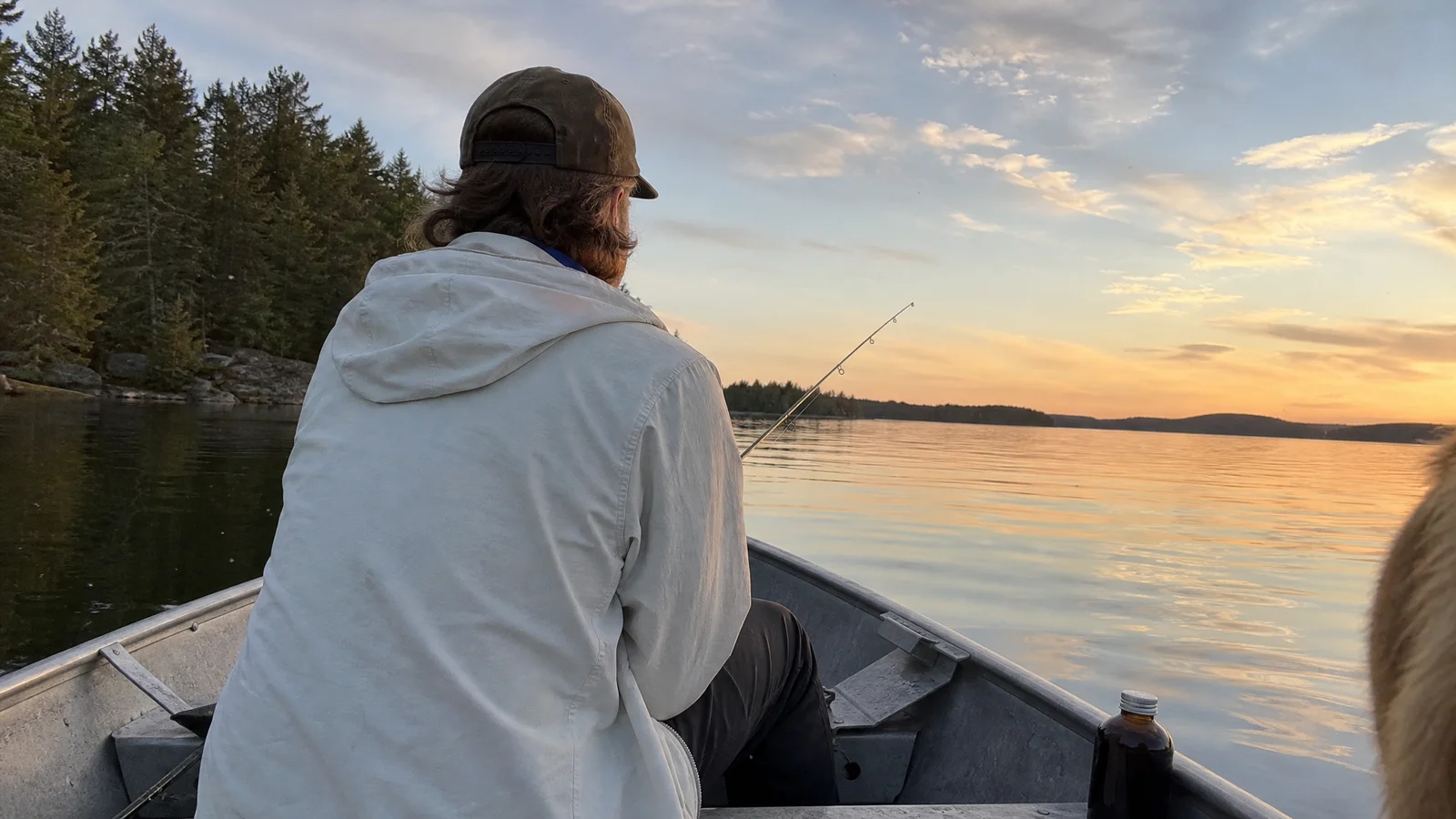
Anglers know the cruel joke: the hours when fish feed best are the hours when mosquitoes are hungriest. First light on a still lake is beautiful, and it is also prime biting time. A little planning lets you keep the dawn bite and lose most of the itching.

Lemon Eucalyptus Essential Oil
Our own Lemon Eucalyptus Essential Oil, in sizes from 0.5 oz to bulk.
From $9.99
Shop Now →Why dawn and dusk go together
The Virginia Department of Health says mosquitoes are most active around dusk and dawn, and that most species are active at night. It adds that the Asian tiger mosquito is an exception that also bites during the day, so a bright midday trip is not automatically clear in places where it lives. If you fish at the edges of the day, the useful move is to get ready before you leave the truck, not after the first bite lands.
That is also where the shoreline matters. Launch ramps, reedy margins and backwaters are where mosquitoes gather, and the open water is often calmer. If the bank is thick with them, pushing off a little way can be a welcome change, which is our own practical reasoning rather than a sourced rule.
Dress for a warm morning on the water
EPA recommends long-sleeved shirts, long pants and socks, and tucking shirts into pants and pants into socks to close the gaps. CDC says loose-fitting long sleeves and pants. On a summer boat that advice meets a real obstacle, which is heat. The sensible compromise is clothing that is light and loose: a long-sleeved fishing shirt, a brimmed hat, and a neck gaiter that can cover the back of your neck. EPA also mentions head nets and long sleeves for high-mosquito places such as salt marshes, which suits anyone fishing the marsh edge at dusk.
CDC also lists clothing and gear treated with permethrin, and says permethrin products should not be used directly on skin. If you shop for treated fishing apparel, read the tag for what it covers and for how long.
Choosing a repellent for fishing
Let us be plain about our place in this. We sell lemon eucalyptus essential oil. That is a different material from the oil of lemon eucalyptus (OLE) used in some EPA-registered repellents made by other companies, and our oil is not a registered repellent. Our comparison of OLE and the essential oil goes through the difference. For a fishing trip, pick a registered product from a pharmacy or outdoor shop.
CDC lists EPA-registered repellents containing DEET, picaridin, IR3535, oil of lemon eucalyptus, PMD or 2-undecanone, and says it does not know the effectiveness of non-registered products, including some natural repellents. EPA explains that a registration number on the label means the company gave EPA information on safety and on effectiveness against mosquitoes and ticks, and it points out that protection times vary with testing conditions. A few fishing-friendly habits from those pages:
- Check the EPA registration number, then read which pests the label names. EPA's search tool can filter for mosquitoes, ticks or both.
- If you use sunscreen, put it on first and repellent second (CDC), which on open water you will probably want.
- Follow the label for how often to reapply. Wet hands, splashing and sweat are part of fishing, and the label is the only place that speaks for the product you are holding.
- Skip OLE or PMD products for children under 3 (CDC), and ask a pediatrician about nets, clothing and timing for little ones on board.
Keep repellent off bait, fish you plan to eat and your food, and wash your hands before eating. That is simple hygiene rather than a quotation, so check your product's label too.
Water on the boat and ticks on the bank
CDC's advice for mosquitoes at home is to empty and scrub, turn over, cover or throw out items that hold water once a week. A bucket in the bow or a bait tub that has sat since last weekend counts. Tip them out before the boat goes home on the trailer.
Stepping ashore brings ticks into the picture. Walking through tall grass to reach a good spot is the classic way to pick one up. CDC advises avoiding tall grass and leaf litter, checking your body after being outdoors and tumble-drying clothes on high heat for 10 minutes. Our tick prevention guide sets out the full routine, and our piece on sweat and swimming looks at what happens to repellent on wet skin.
Getting ready the night before
The easiest bug protection happens in the garage, not on the water. Lay out your long-sleeved shirt, hat and neck cover next to the tackle bag the night before, so a 4 a.m. alarm does not turn into a scramble. Put the repellent you chose in the same pile, where you will trip over it on the way out the door.
There is a lot to love about an early start: mist on the water, a thermos of coffee that tastes better outdoors, the quiet before anyone else is up. None of that has to be traded for a patchwork of bites. A little preparation is what lets you stand still and watch the line.
A short pre-trip list
- Pack a long-sleeved shirt, hat and neck cover.
- Choose an EPA-registered repellent whose label names the pests you expect.
- Apply it before the boat leaves the ramp, sunscreen first.
- Empty water from buckets and tubs before you head home.
- Check yourself for ticks when you get in.
With those few steps in the tackle box, the early bite stays the best part of the day.
Whatever you catch, the best part of a dawn trip is being comfortable enough to stay for the whole of it.
Lemon Eucalyptus Essential Oil
Lemon Eucalyptus Essential Oil from our own shop, in sizes from 0.5 oz to bulk.
From $9.99
Shop Now →