Are Ticks Active in Fall? A Hunter's Checklist
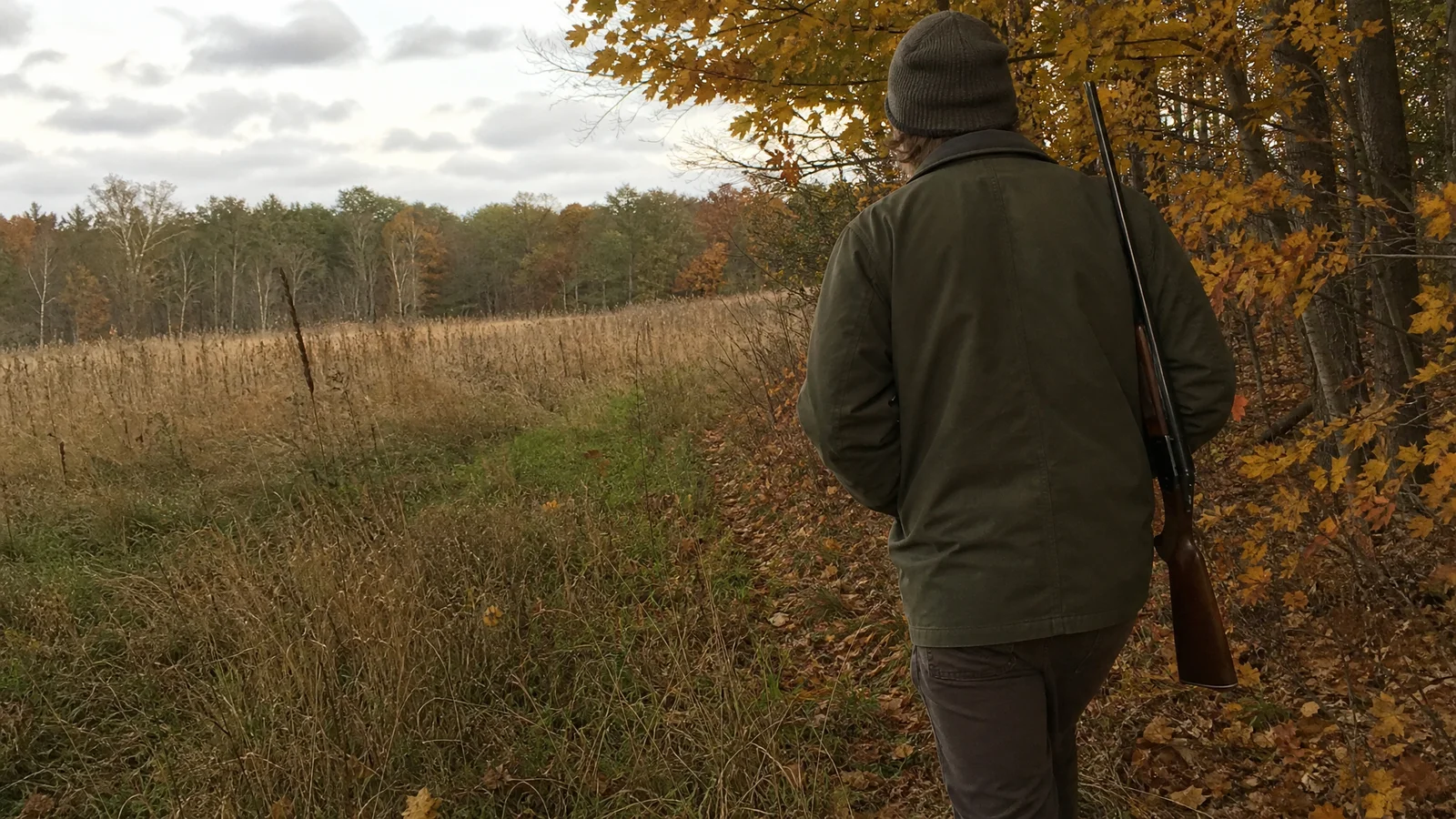
The first frost feels like the end of tick season, and for many hunters it is the moment they stop thinking about ticks at all. The calendar says otherwise. October and November, with their leaf litter, brush edges and long sits near the ground, are prime time for adult blacklegged ticks.

Lemon Eucalyptus Essential Oil
Our own Lemon Eucalyptus Essential Oil, in sizes from 0.5 oz to bulk.
From $9.99
Shop Now →What the fall calendar looks like
CDC says nymphal blacklegged ticks, about the size of a poppy seed, are most active from April through July, while adults, about the size of a sesame seed, are most active in early spring and in the fall. Penn State Extension says adults can be found in October and November looking for an animal to feed on, and that blacklegged ticks are most often found in forested areas with shade and tall shrubs. That is a fair description of a good deer woodlot.
Adults being larger is a small advantage, but a sesame seed on camouflage in dim light is still easy to miss, so do your checks in good light. These sources describe the blacklegged tick; other species, such as the lone star tick, keep different seasons, so your state health department or extension service has the local picture.
A good habit is to treat the walk back to the truck as part of the hunt. Slow down, look at your sleeves and boots in the daylight, and brush off the leaf litter before you climb in.
Before the hunt: treat the gear
CDC recommends products containing 0.5% permethrin for boots, clothing and camping gear, which stays protective through several washings, and you can also buy pretreated items. Penn State advises treating clothing with permethrin and adds that you should follow label instructions and never apply it directly to skin. Some practical reasoning for hunters, drawn from that advice:
- Ticks climb up from the ground, so the places that matter most are boots, socks, pant legs and cuffs.
- Tuck pants into socks or boots, so a tick has to crawl over treated fabric.
- Let treated items dry as the label directs before bringing them into the house, and read the pet precautions if you share it with animals.
Our comparison of lemon eucalyptus and permethrin explains why clothing treatments and skin repellents do different jobs.
In the field
CDC advises avoiding tall grass and leaf litter, and walking in the center of trails. A hunter will point out that game lives exactly where ticks do, and that is true. So plan for contact rather than hope to avoid it. These are habits we would suggest, reasoned from the CDC and Penn State guidance, not hunter field data:
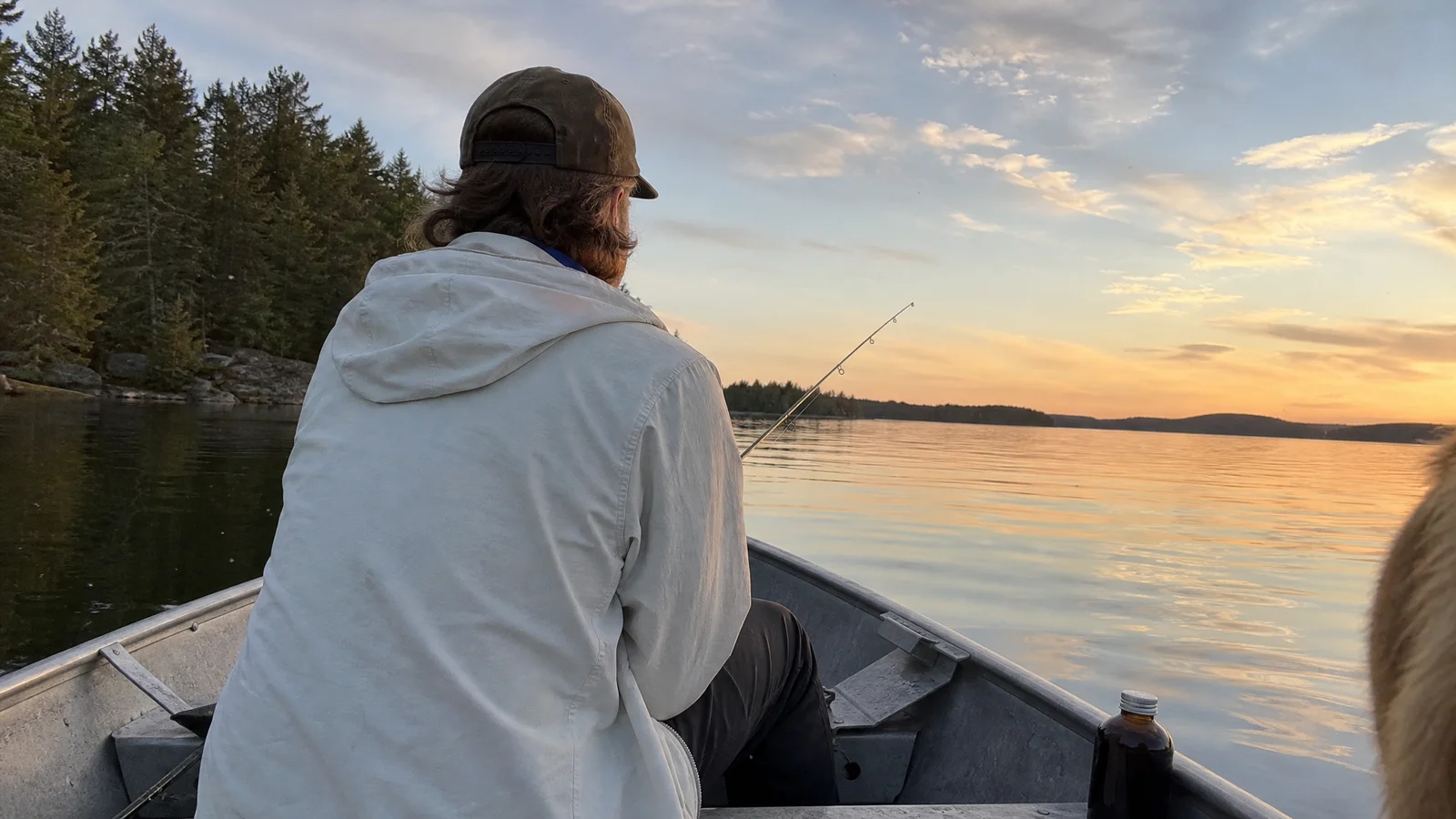
There is a particular quiet to a November morning in the woods: cold air, damp leaves, the first light coming through bare branches. It is easy to let that calm lull you into relaxing about everything else. A little habit set up before you go means you can enjoy the morning and still have the routine ready.
- Pick stand and blind spots with clear ground when you can, and clear a patch before you sit if the land rules allow it.
- Hang packs and jackets, or set them on a tarp, instead of dropping them in leaf litter.
- After handling or dragging game, look over your sleeves, gloves and pant legs.
Keep a small tick kit in the truck
- Fine-tipped tweezers, since Penn State says to remove ticks promptly with them.
- A small mirror for the spots you cannot see, like the back of your knees.
- A headlamp or flashlight, so you can check in good light even after dark.
- A zip bag or bin for the clothes you will carry straight to the dryer.
Repellent: read the label for ticks
CDC lists EPA-registered products with DEET, picaridin, IR3535, oil of lemon eucalyptus (OLE), PMD or 2-undecanone, and says to apply sunscreen first and repellent second and to avoid OLE or PMD products on children under 3. EPA says registration reflects review for mosquitoes, ticks or both, so choose a label that names ticks. We sell lemon eucalyptus essential oil, which is not a registered repellent, and the registered OLE products are made by other companies. Our OLE comparison explains the difference, and we would send a hunter to a registered product at a pharmacy or outdoor shop.
After the hunt: where the most protection happens
CDC's routine suits a tired hunter, because it is mostly sitting and looking:
- Check clothing, outerwear, packs and pets at the door. Ticks can ride indoors and attach later.
- Tumble dry clothes on high heat for 10 minutes. Wash in hot water first if they need it, because cold and medium water will not kill ticks.
- Shower within two hours, which CDC says may reduce the risk of Lyme disease and other tickborne illness.
- Do a full body check with a mirror: hairline, under the arms, behind the knees, between the legs, around the waist and in the belly button.
The 24-hour point is the one to remember. CDC says a tick must generally be attached for more than 24 hours for Lyme disease bacteria to be transmitted, and Penn State says to remove ticks promptly with tweezers. If you hunt with a dog, include the dog in the check and ask your veterinarian about tick products made for animals. A fever or rash after a bite is a reason to call your physician.
Our tick prevention guide gives the full routine. Treat fall like the season it is, and the woods stay a pleasure.
Lemon Eucalyptus Essential Oil
Lemon Eucalyptus Essential Oil from our own shop, in sizes from 0.5 oz to bulk.
From $9.99
Shop Now →