Blending Lemon Eucalyptus Oil: Top Note Basics
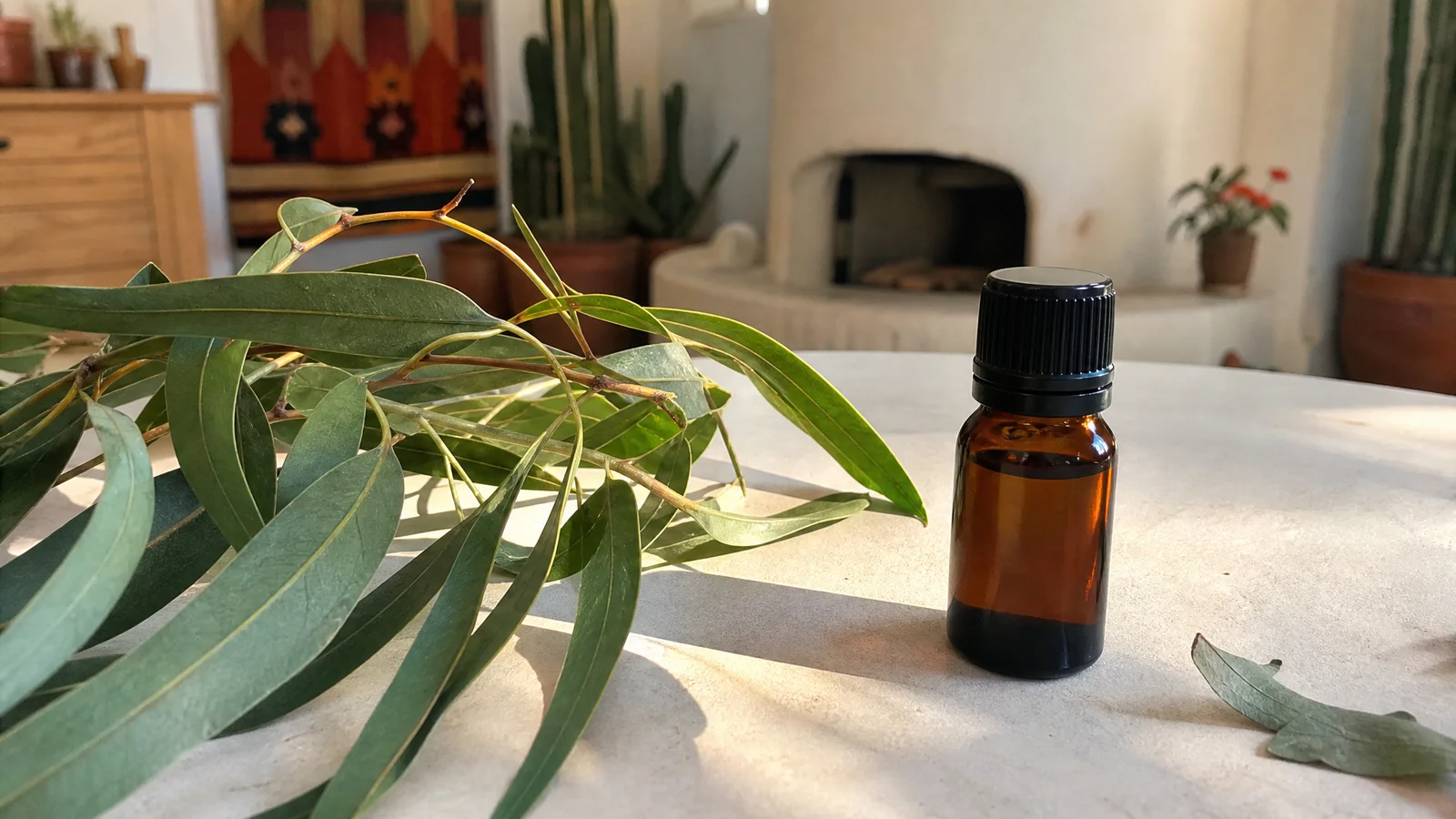
Open a bottle of lemon eucalyptus and the first thing you notice is the sparkle: lemony, fresh and green, with a crisp, lightly camphorous edge. That sparkle is also the clue to blending with it. It is a top note, the opening of a scent, so the best blends treat it as the introduction and build the rest of the story underneath.

Lemon Eucalyptus Essential Oil
Our own Lemon Eucalyptus Essential Oil, in sizes from 0.5 oz to bulk.
From $9.99
Shop Now →Why a top note needs company
In perfumery, a scent unfolds in sequence. Top notes are small, light molecules that evaporate quickly and make the first impression, middle notes form the body as the top fades, and base notes are usually not noticed until about 30 minutes in. Mint, lavender and citrus materials are the classic top-note examples. Lemon eucalyptus belongs to that fast, bright group.
So a blend made only of top notes is dazzling for a few minutes and then thin. A little patience with structure fixes that: a bright opening, a body that carries on as the sparkle fades, and something slower to leave at the bottom. Freshness also depends on the age of your oils, not just the minutes in the air. The Tisserand Institute notes that as an oil oxidises, some brightness and freshness disappears, and that heat, light and moisture speed this up. A lemon-forward blend shows an old bottle sooner than most, so a cool, dark, capped bottle pays you back.
Before you blend anything, spend a few minutes getting to know the oil on its own. Put a drop on a plain paper strip, wave it gently under your nose, and come back to it after a few minutes and again after half an hour. You'll notice the lemony lift first, then the greener, crisper part, and finally a quiet, faintly camphorous trace. Knowing how the oil fades by itself tells you exactly what the rest of the blend needs to do.
A simple three-slot plan
Pick one oil for each job. Here is an arithmetic suggestion for a 10 g trial batch, a starting point rather than a rule:
| Slot | Job | Share | Weight |
|---|---|---|---|
| Opening | Lemon eucalyptus, perhaps with one more bright oil | 40% | 4.0 g |
| Body | A middle partner you like | 40% | 4.0 g |
| Anchor | Something slower to leave | 20% | 2.0 g |
Smell it on blotters straight away, after ten minutes and after an hour, and change one slot at a time. If the opening feels sharp, trim it to 30% and give the difference to the body. If little is left at the hour mark, raise the anchor to 30%. Weights beat drop counts for reproducing a blend, since the Tisserand Institute's drop-size review found roughly 20 to 40 drops per milliliter depending on the oil and the dropper. Once a trial works, scale by weight: a 100 g batch at the same split is 40 g, 40 g and 20 g.
Partners worth trying
We sell only lemon eucalyptus, so the partners below are oils you will find elsewhere. They are the ones we recommend as natural companions for its profile, and the roles are our own reasoning, so treat them as ideas to test on a blotter.
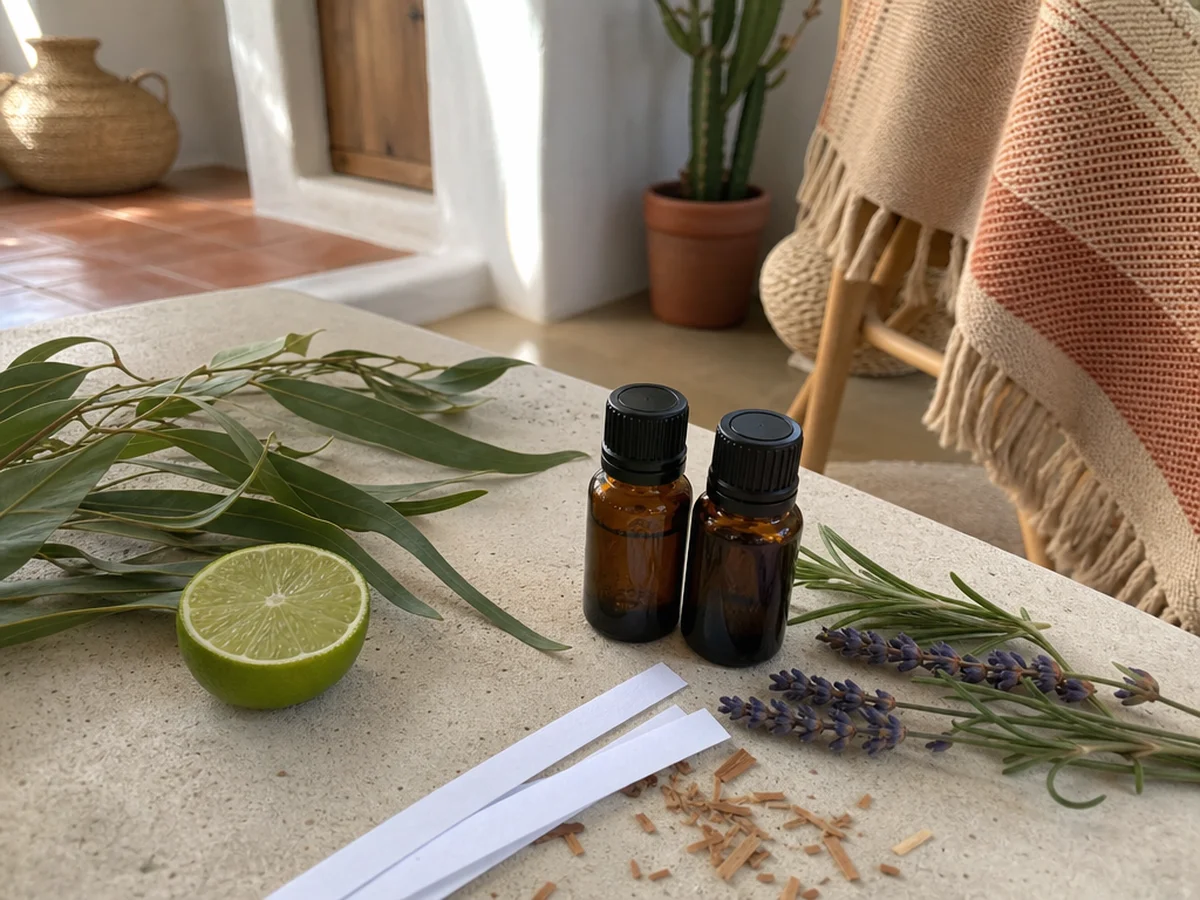
- Sweet orange softens the green and rounds the citrus. Citrus oils can turn cloudy as they oxidise, so buy small and date the bottle.
- Lemongrass doubles down on the lemon for a bolder opening. Have a look at our lemongrass comparison before you use both.
- Peppermint adds a cool edge. Ask your supplier for the safety data sheet, and keep it away from young children.
- Lavender works as a body note, though perfumers also count it among the top notes, so its slot is a judgment call.
- Cedarwood makes a warm, woody anchor. Which cedar you choose matters for scent and safety, so confirm the botanical name with the seller.
Small habits that make blending easier
Good blending is mostly patience and tidiness. A few habits we would suggest:
- Use a fresh paper strip for every version, and write the version on it in pencil before you dip it.
- Give your nose a rest between trials. Stepping outside for a breath of fresh air resets things better than sniffing harder.
- Come back the next day. A blend that seemed busy at the bench often feels calmer after a night in a closed bottle.
- Name your trials in your notebook, even playfully. "Porch Light" is easier to remember than "version 4".
None of this needs special equipment. A kitchen scale, a handful of paper strips and a quiet half hour are plenty, and the fun of it is that every little adjustment changes the mood of the scent.
Which format?
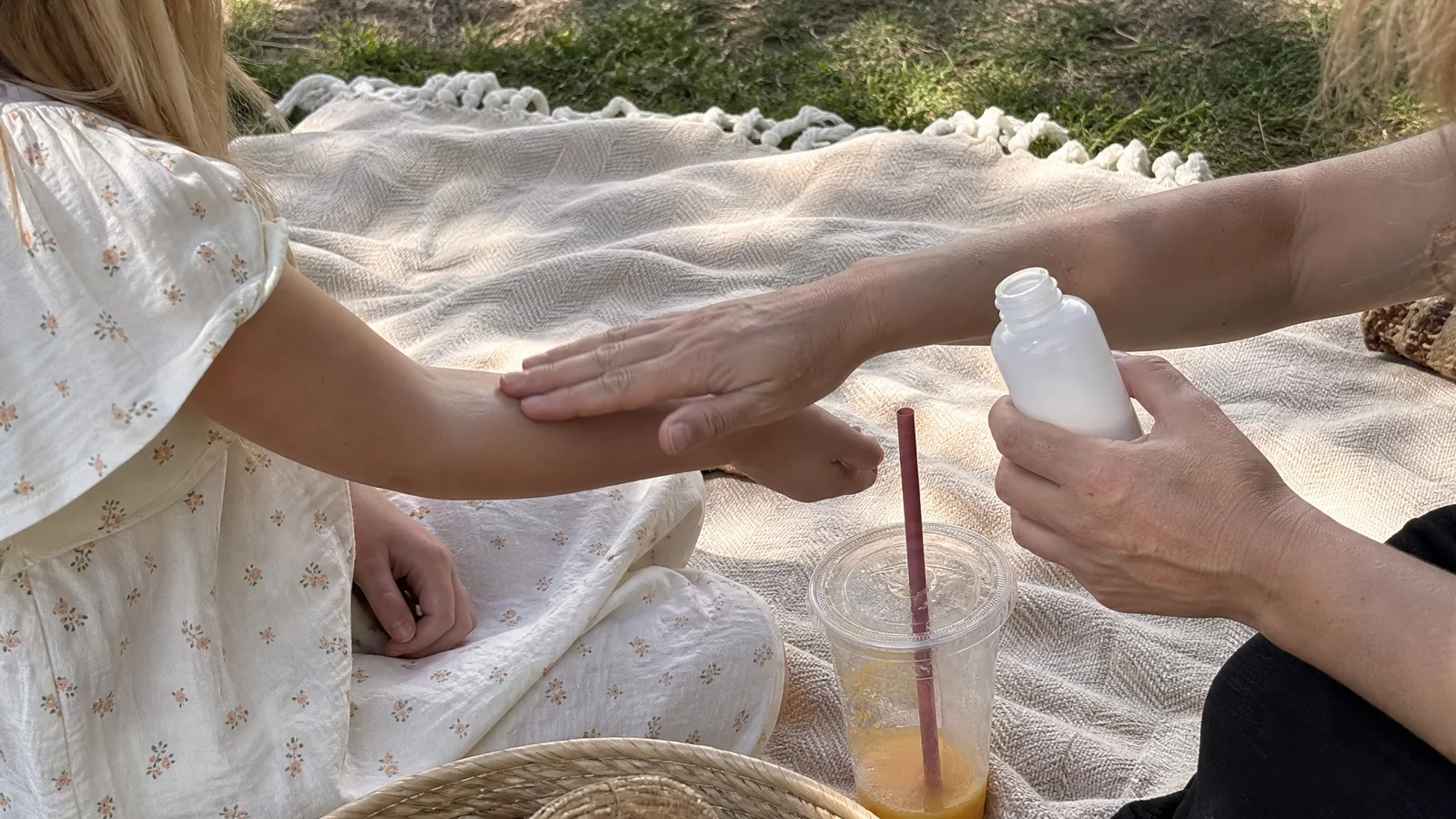
Outdoors, moving air carries the top of a blend away quickly, so an open-air scent works best when the opening is bright and something slower sits underneath. For a diffuser, follow your device's manual; our diffusing guide covers ventilation and pets. For skin, a blend inherits the lowest limit among its ingredients. We recommend 0.5% to 2% in a carrier oil for lemon eucalyptus on its own, with a patch test first; start from the dilution guide and check each partner oil too. Keep blends away from eyes, children and pets, and ask a veterinarian before diffusing around cats or small animals.
Our oil is a scent product, and we don't offer it as a repellent; if bites are your concern outdoors, choose a registered repellent from a pharmacy. Our patio candle article is the place to start for open-air scenting.
Keep a small log with the date, the oils and the weights, and you will soon know which blend is your favorite.
Lemon Eucalyptus Essential Oil
Lemon Eucalyptus Essential Oil from our own shop, in sizes from 0.5 oz to bulk.
From $9.99
Shop Now →