Tick and Mosquito Season: When to Start by Region
Ticks and mosquitoes keep very different calendars. Mosquitoes follow warm weather and standing water; ticks follow a life cycle that stretches over years. Knowing which clock you are on is the quickest way to decide when to start paying attention each year.

Lemon Eucalyptus Essential Oil
Our own Lemon Eucalyptus Essential Oil, in sizes from 0.5 oz to bulk.
From $9.99
Shop Now →Ticks play a long game
CDC describes the blacklegged tick's life cycle as generally lasting two years, with the stages passing the baton from one season to the next: nymphs feed in spring and molt into adults later in the fall. The western blacklegged tick along the Pacific coast runs a slower, three-year cycle. That matters because the tick you meet in June is not the same animal as the one you meet in October. CDC says nymphs are actively questing from April through July, while adults are most active in early spring and fall. Nymphs are the immature stage, so they are smaller and easier to miss, which is our reasoning rather than a CDC figure, and it is why a careful skin check is the habit that counts in early summer.
For general planning, CDC's tick prevention page says ticks are most active in the warmer months, April through September, and also notes that exposure can happen year-round. A mild winter or an early thaw nudges all of this earlier, so treat the dates as a starting line rather than a fence.
Mosquitoes keep a summer schedule
For West Nile virus, CDC says the season starts in summer and continues through fall, typically June through October, with cases most often peaking in late August to early September. Every state in the contiguous United States has reported cases, so there is no region where you can set the calendar aside entirely. Beyond that national window, CDC does not publish state-by-state start dates, and we are not going to invent them. Your county health department or cooperative extension office is the right source for local timing.
Reading the map
CDC's pages sort ticks by region rather than by month, and that turns out to be a useful way to plan.
- East and Northeast: The blacklegged tick is widely distributed across the eastern United States, and the lone star tick is widely distributed in the Northeast, South and Midwest. With nymphs in April through July and adults in spring and fall, this is the region with the longest tick calendar.
- Southeast: CDC notes that blacklegged ticks in most of the southeastern states are almost never infected with the Lyme bacterium. The Gulf Coast tick is mainly a southeastern species. A different tick does not mean no tick, so local advice is still worth reading.
- Midwest: Blacklegged and lone star ticks both occur, and the American dog tick is widely distributed east of the Rocky Mountains.
- Pacific coast: The western blacklegged tick is found along the coast, particularly in northern California.
None of these regions is a promise, only a guide. If you split your year between two places, such as a home in one state and a family cabin in another, keep both rows in mind and start your habits when you arrive, not when the calendar at home says so.
A year at a glance
If you want a single rhythm to carry around, this is the one we would use, combining the CDC statements above.
- March to May: Dust off the gear and start checking after time outdoors. Adults are active in early spring and nymph season is about to open in April.
- June to August: Nymph season runs through July, and mosquito season is building toward its late summer peak.
- September to October: Mosquito season is still open until October, and adult ticks return in the fall.
- November to February: Quieter, though CDC's note that exposure can happen year-round is a reason to keep the habit on warm days.
A habit sticks when it lives where you already look. Pencil the dates on the calendar by the back door, set a phone reminder for the first week of April, and keep your light long sleeves, socks and hat in the same drawer so getting ready never feels like a project. The first warm Saturday of the year is a lovely time to do it, with the windows open and the garden waking up.
Make it a shared routine
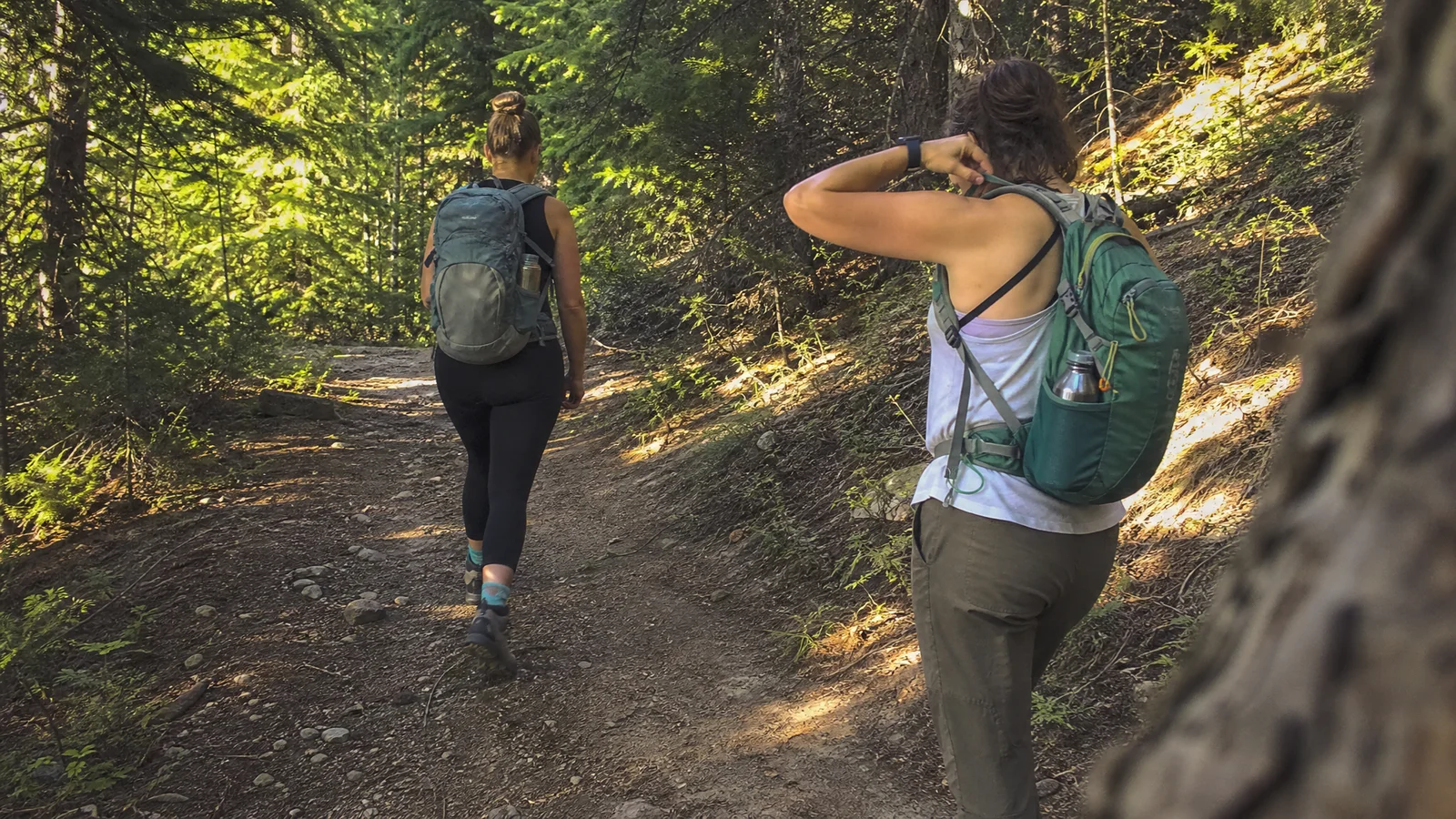
If you hike, garden or camp with other people, turn the end-of-day check into something friendly. A quick look at each other's backs, hairlines and the places you cannot see yourself is easier and more thorough than doing it alone, and it takes about as long as brewing a cup of tea.
Where our oil fits, and where it does not
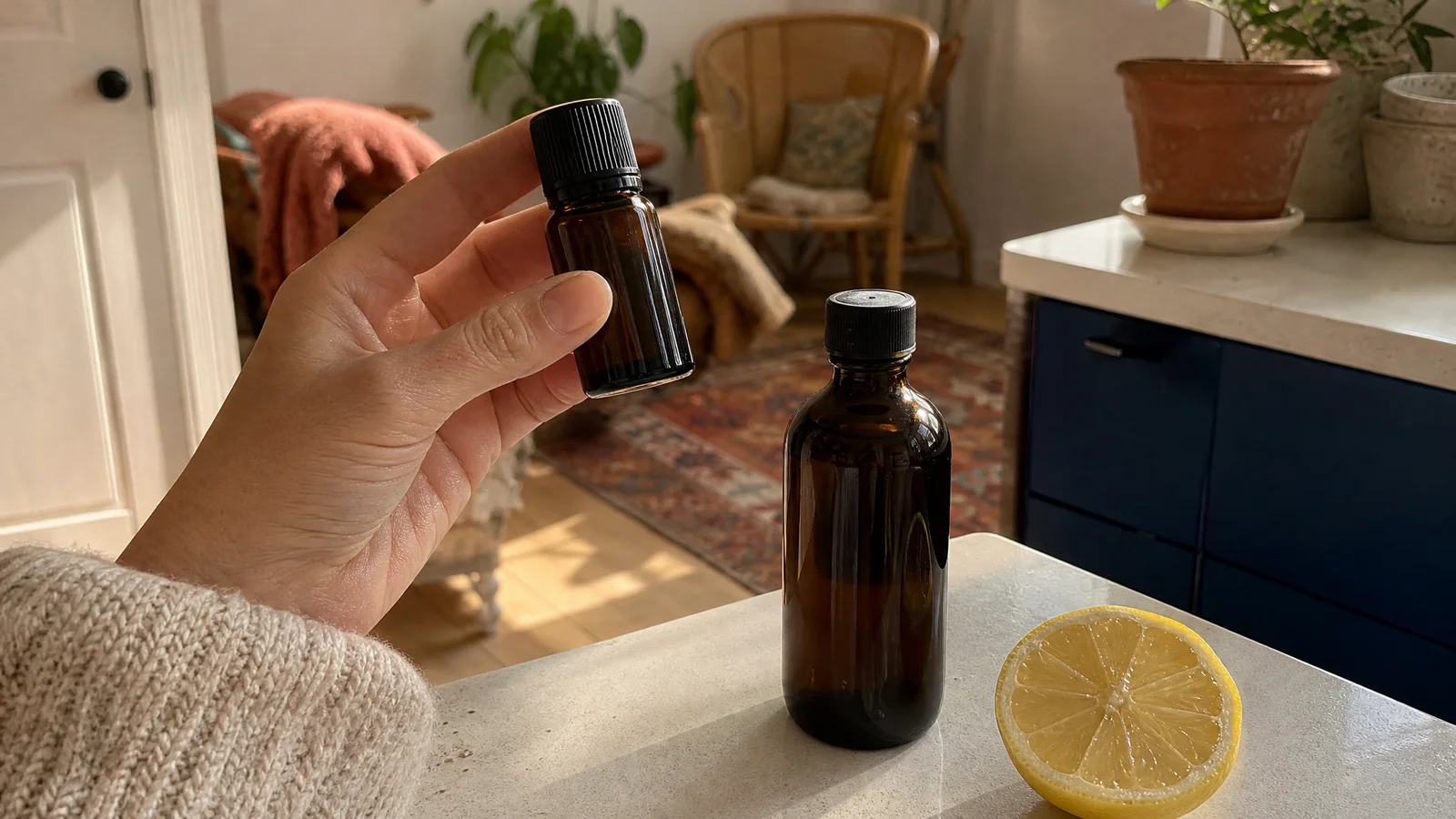
We sell lemon eucalyptus essential oil, the steam-distilled leaf oil, which we love for its bright, lemony, green aroma. It is not a registered insect repellent, and our how-we-test page says so plainly. CDC does not recommend "pure" oil of lemon eucalyptus as a repellent because it has not undergone validated testing for safety and efficacy and is not registered with EPA. For repellent, EPA-registered products from a pharmacy or outdoor shop are the route CDC points to, and CDC's tick page adds clothing treated with permethrin, a full-body check after coming indoors and a shower within two hours. If you want the longer view, our tick prevention guide and backyard guide go deeper, and our piece on what lemon eucalyptus can and cannot do sorts out the oil from the ingredient with a similar name.
Mark a spring date on the calendar, adjust it to your region, and the rest of the season gets easier.
Lemon Eucalyptus Essential Oil
Lemon Eucalyptus Essential Oil from our own shop, in sizes from 0.5 oz to bulk.
From $9.99
Shop Now →