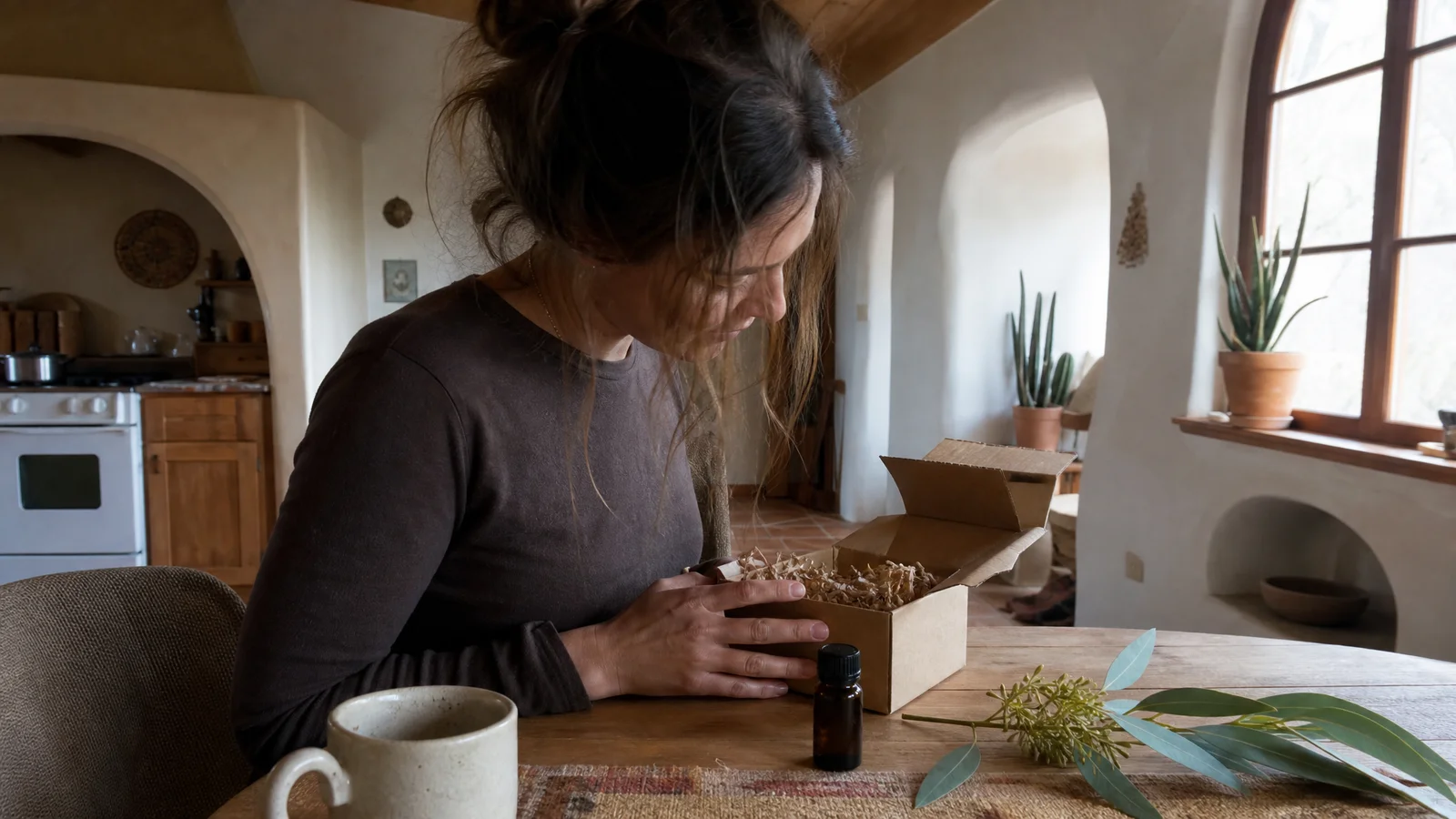
Lemon Eucalyptus Oil Sizes: Which Bottle to Start With
Ten sizes of the same oil can feel like a lot of choices for a first order. Here is how we would think about it: start with the smallest bottle, and let the maths and the calendar tell you when to go bigger. Lemon eucalyptus is a bright, fast-moving top note, and it rewards being used while it is fresh.

Lemon Eucalyptus Essential Oil
Our own Lemon Eucalyptus Essential Oil, in sizes from 0.5 oz to bulk.
From $9.99
Shop Now →One oil, ten sizes
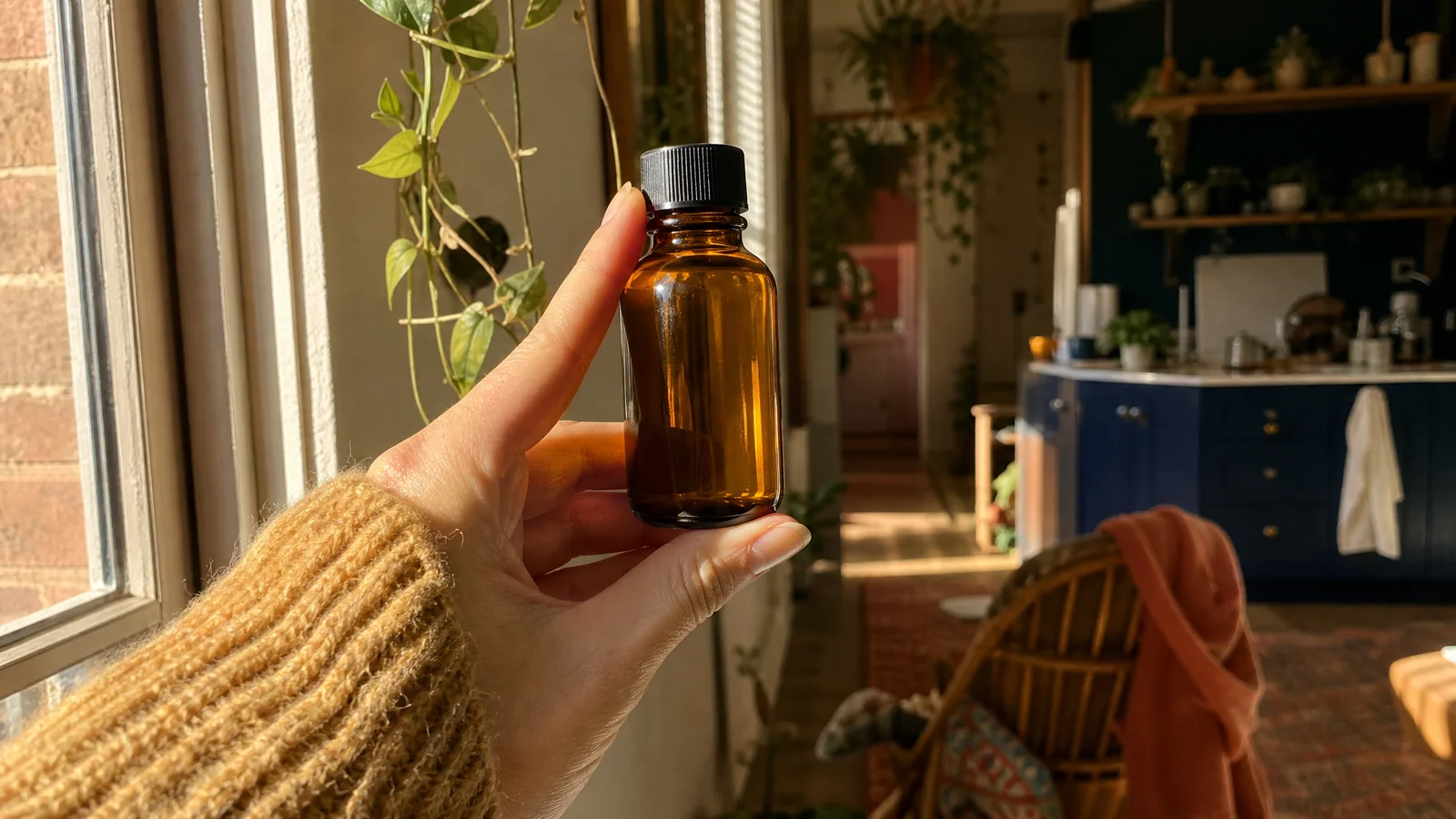
We sell a single oil, the steam-distilled leaf oil of the lemon-scented gum, in 0.5, 1, 2, 4, 8 and 16 oz bottles and in 5, 25, 100 and 400 lb containers. It is the same oil in every size with no separate bulk grade, so a bigger container buys you more of the same thing, never something different. Prices live on the shop page, where they stay current.
How far a small bottle goes
A 0.5 oz bottle holds about 14.8 mL (one US fluid ounce is 29.57 mL). Recipes love drops, though a drop is a loose unit. The Tisserand Institute reviewed drop-size studies and found anywhere from about 20 to 40 drops per milliliter, and uses 30 per milliliter as its working figure. We will use that middle number as arithmetic, not as a promise.
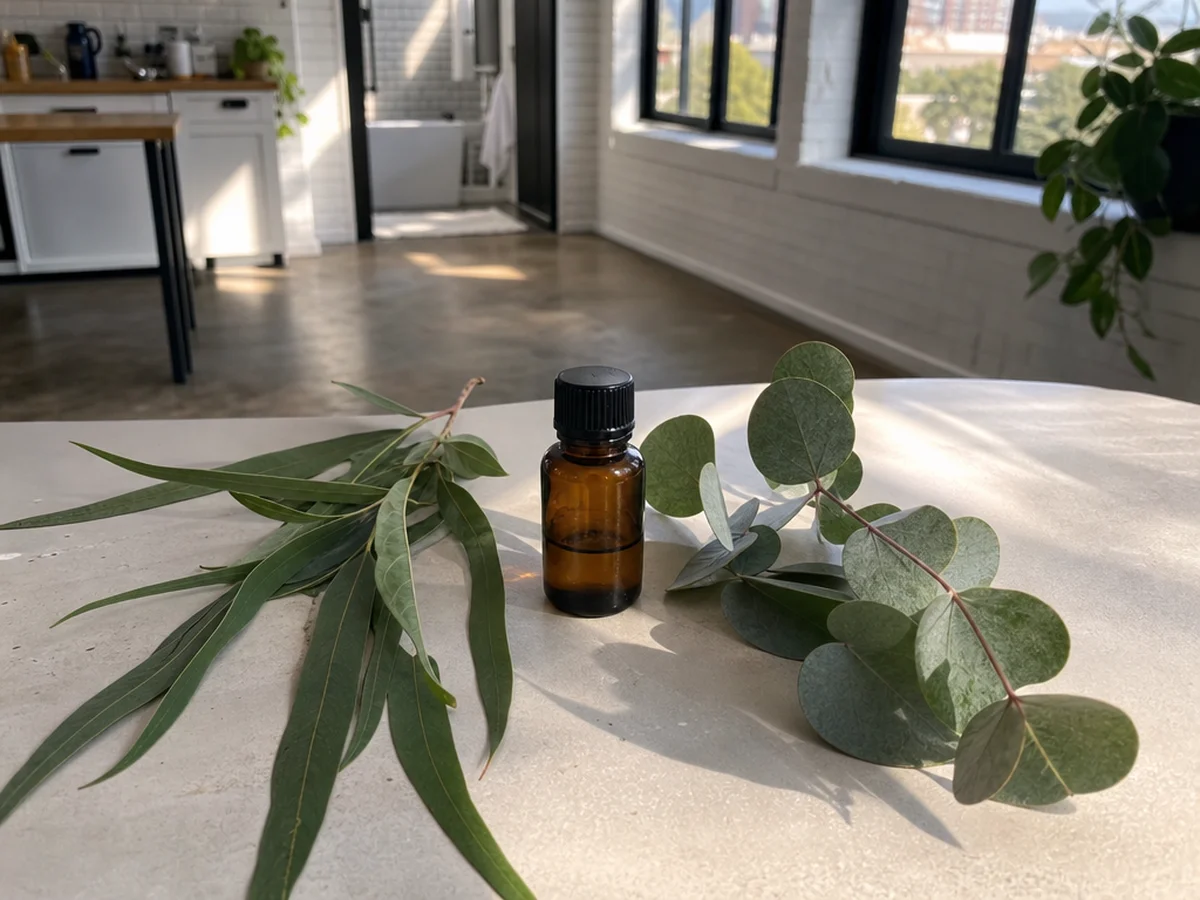
Say you are making a 30 mL leave-on blend at 1%. That is 0.3 mL of oil, roughly 9 drops at 30 per milliliter. Divide 14.8 by 0.3 and one small bottle covers close to 50 batches of that size. At 2% it is about half that. Either way, a hobby user will be looking at the bottom of a 0.5 oz bottle a long time from now.
On the skin question, the Tisserand Institute's dilution guidance runs from 0.2 to 1% for reaction-prone skin, 0.5 to 1.2% for the face and underarms, and 1 to 3% for body oils. Our own guidance for a carrier-oil blend is 0.5% to 2% with a patch test first, and since citronellal, the main aroma compound in this oil, can bother sensitive skin, we would begin at the low end and stay there until you know how you get on. Our dilution guide walks through the percentages in more detail.
Candles and soap run on a different scale
Makers measure in grams, not drops, and the numbers climb quickly. Craftybase's worked example is a 320 g candle batch at a 6% fragrance load, which calls for 19.2 g of scent. A terpene-rich leaf oil is not expected to be much heavier than water (our reasoning, since we do not quote a density), so that single batch could use more than a whole 0.5 oz bottle. If you pour candles or cut soap in batches, work out your grams per batch first and buy the size that matches your year. Our candle maker's guide shows that arithmetic in full, and the soap article covers the making side.
Then the clock
Essential oils change slowly with air, light and heat. The Tisserand Institute says most keep well for at least 1 to 2 years before oxidation starts to take effect, that using an oil within 6 to 12 months makes oxidation mostly a non-issue, and that refrigeration roughly doubles useful life. We describe our oil as typically holding its character for 2 to 3 years unopened, capped and kept away from sun and heat. Reading the two together, a sensible plan is to buy what you will use within a year of opening.
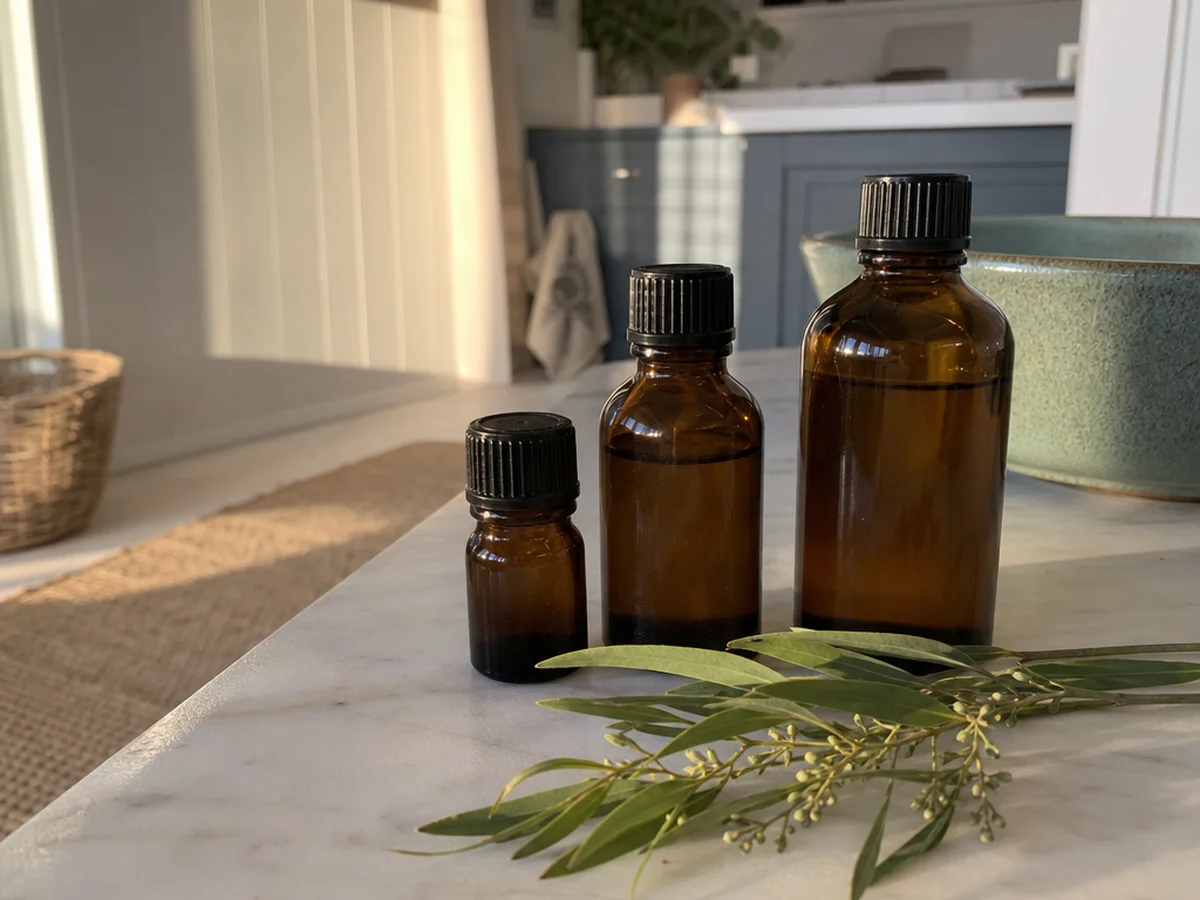
That is a useful test for bigger sizes. A 16 oz bottle is about 473 mL; finishing it in a year means roughly 39 mL a month, which suits someone producing steadily and is far beyond occasional blending. If you do buy larger, decanting working amounts into smaller airtight bottles and keeping the big one sealed, cool and dark limits how much air the oil sees. More habits are in our storage guide.
What to do when the bottle arrives
Before you measure anything, open the cap and take one slow sniff from a hand's width away. Notice the lemon first, then the green leaf, then the faint camphor edge behind them. That first impression is worth keeping in your head, because it becomes your reference later. When you wonder in three months whether the bottle has changed, you will have something to compare it with.
A strip of plain paper or a cotton pad makes a good scratch blotter. Put one drop on it, wave it gently, and come back after ten minutes and again after an hour. A top note like this one fades quickly, and watching that happen teaches you more about how to use the oil than any chart does.
A quick way to choose
- Trying the scent in a diffuser or room spray: the 0.5 oz bottle.
- Blending a few times a year: 0.5 or 1 oz.
- Pouring candles or soap by the batch: calculate grams first, then pick the bottle that fits.
- Making a product to sell: sample first. Our wholesale page describes sample bottles, a consultation form, private label and custom formulation requests, and the bulk page covers the large containers. If you need batch paperwork, ask us in writing through the contact page before you order.
One more honest note: this is an essential oil, not a registered insect repellent. CDC does not recommend using "pure" oil of lemon eucalyptus as a repellent, so anyone shopping for bug protection should look for an EPA-registered product at a pharmacy or outdoor shop. And if you are pregnant, nursing or have a medical condition, check with your physician before using aromatic products.
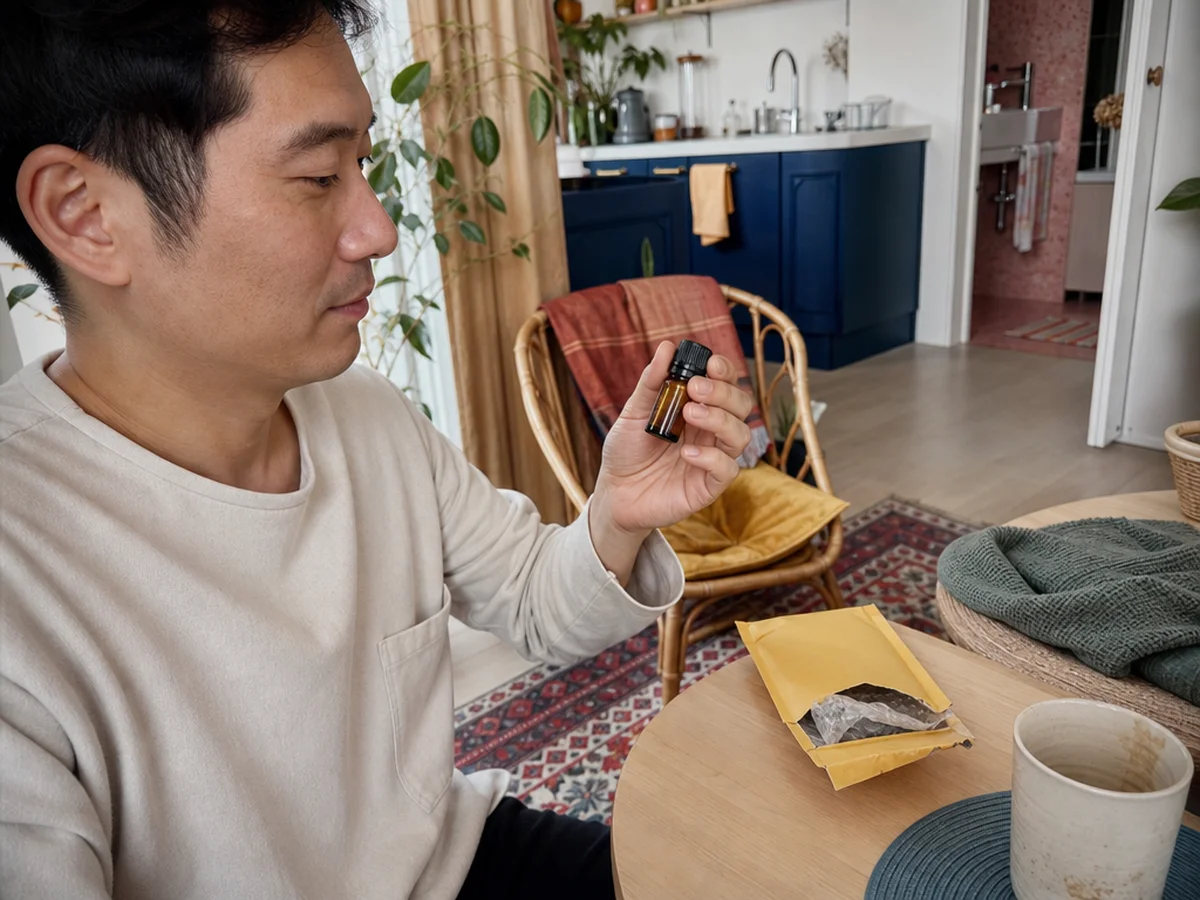
Start small, enjoy the first few weeks of that bright citrus-and-green aroma, and let your own habits decide what comes next.
Lemon Eucalyptus Essential Oil
Lemon Eucalyptus Essential Oil from our own shop, in sizes from 0.5 oz to bulk.
From $9.99
Shop Now →Sources & Further Reading
- How big is a drop? Tisserand Institute.
- Dilution for essential oils, Tisserand Institute.
- Is my bottle of essential oil oxidized or no longer good to use? Tisserand Institute.
- Candle Fragrance Load Calculator - Formula, Wax Percentages and Flash Point Guide, Craftybase.
- Mosquitoes, Ticks, and Other Arthropods, CDC Yellow Book.