How to Store Lemon Eucalyptus Oil: Keep It Bright
Open a bottle of lemon eucalyptus oil and the first thing you notice is that bright, green lemon note. That note sits at the top of the scent, which makes it the first thing to fade as an oil ages, so a few small habits are worth building from the day the bottle arrives.

Lemon Eucalyptus Essential Oil
Our own Lemon Eucalyptus Essential Oil, in sizes from 0.5 oz to bulk.
From $9.99
Shop Now →What we recommend on day one
Keep the cap tight, keep the bottle out of direct sun, and keep it away from heat. We say typically 2 to 3 years unopened when it is stored that way, and for larger containers we suggest storing them sealed, cool and dark, then decanting the amount you are working with into smaller airtight bottles. We tend to think of lemon eucalyptus as a lively top-note oil rather than a slow, deep base oil like cedarwood or patchouli, so it rewards a little attention. Our how-we-test page makes the same point: it ages faster than a wood oil, so store it cool and dark.
The Tisserand Institute, which writes about essential oil safety, gives a useful outside yardstick. It says most essential oils keep well for at least one to two years before oxidation starts to take effect, and it names three things that encourage it: heat, light and moisture. Plan around the shorter end of that range for a bottle you open often, and you will rarely be caught out.
Why the air in the bottle matters most
Here is the idea that changes how people store oils. Tisserand puts it simply: the more air there is in the bottle, the faster the oil will oxidize. Think about what that means over the life of a bottle. A full bottle has very little air in it. A bottle that is three-quarters empty is three-quarters air, and every time you open it, fresh air replaces what was there.
So the sizing and the storing are really one decision. If you use a few drops now and then, a large bottle spends years getting emptier and airier. Two habits fix this nicely:
- Buy the size you expect to finish within a year or so. We sell the oil in ten sizes, from 0.5 oz bottles up to 400 lb containers, so there is room to match the bottle to the way you work. Our first-bottle article walks through that choice.
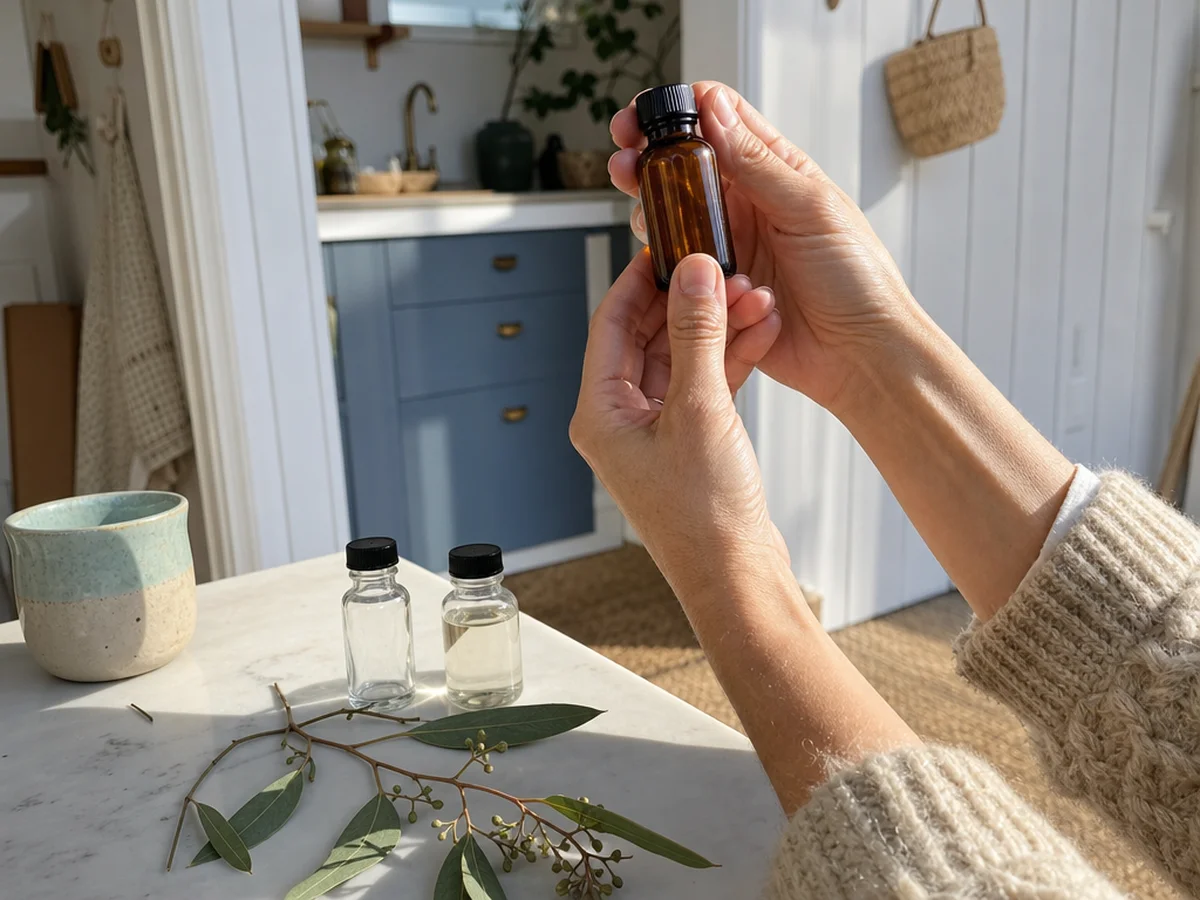
- Decant. Pour a working amount into a small bottle, fill it close to the neck so there is little air above the oil, and leave the main container sealed. Use clean, dry bottles, because moisture is one of the three accelerators.
Work quickly when you decant, and cap the big container before you label anything. It is the one moment when an oil meets more air than usual, so keep it short.
Heat, light and the refrigerator
Tisserand says keeping oils away from direct sunlight matters and that refrigeration about doubles their useful lifespan. A cool cupboard or drawer in a steady room is good enough for most people. A bathroom shelf, a windowsill or the spot beside the stove, where temperature and humidity swing every day, is the place to avoid.
If you do use a fridge, here is a sensible step that follows from the moisture point: let the capped bottle come up to room temperature before you open it. A cold bottle opened in a warm room can collect condensation, and that is exactly the moisture you were trying to keep out. That is our reasoning from the Tisserand guidance, not something the page tests. For decanted working bottles, dark glass with a tight cap is the usual choice, and it fits the sunlight advice.
A simple freshness check
You do not need equipment. Write the date you opened the bottle on it, and then use your senses:
- Smell it. The lemon should still read as bright and green. A flat or sharp smell means it has moved on. If you have a newer bottle, smelling the two side by side makes the change obvious.
- Look at it. Tisserand notes that citrus oils sometimes go cloudy as they oxidize, because some moisture has got into the bottle, and that very old oils can thicken.
- Choose the use. Tisserand says oxidation products tend to be slightly toxic and to increase the risk of adverse skin reactions. Citronellal, the main component of lemon eucalyptus oil, is one we already handle with care on skin, so a bottle of doubtful age is better kept away from anything that touches skin. Our skin irritation article covers that side in more detail.
An aging oil that still smells pleasant can sometimes go on a little longer in a room scent where nothing touches skin, though a tired oil gives a tired scent. If you are unsure, retire the bottle. A fresh one is a small thing to replace.
A little label goes a long way
A strip of masking tape and a pen are the most useful storage tools you own. Write the date you opened the bottle, and what it is if you decant. Keep your working bottles together in a small box or a drawer so you know where they are and so they are not out on a counter in the sun.
When you open a bottle, hold it a few inches from your nose and take one gentle breath rather than a deep sniff. You are checking that the bright, green lemon is still there, and a calm single sniff tells you that just as well.
Starting off right
Storage keeps a good oil good; it cannot tell you what was in the bottle on day one. If you need batch information for something you are making, ask us in writing through the contact page before you rely on any figure. The dilution guide covers what a fresh oil needs before it meets skin.
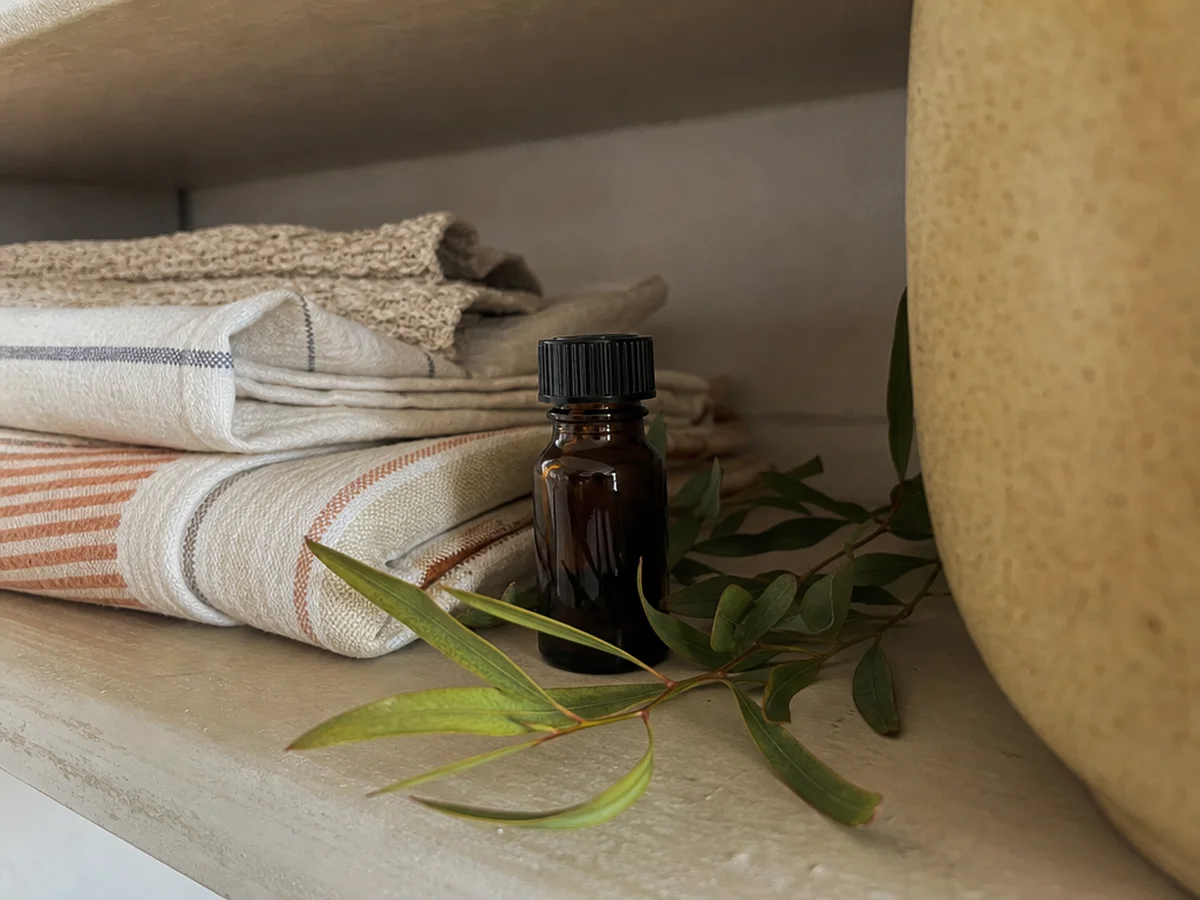
The short version fits on a sticky label: cap it tight, keep it cool and dark, date it, and trust your nose.
Lemon Eucalyptus Essential Oil
Lemon Eucalyptus Essential Oil from our own shop, in sizes from 0.5 oz to bulk.
From $9.99
Shop Now →Sources & Further Reading
- Is my bottle of essential oil oxidized or no longer good to use? Tisserand Institute