How to Buy Lemon Eucalyptus Oil: 5 Questions to Ask
Search for lemon eucalyptus oil and you will find a dozen listings that look alike and are not. Some are leaf oils, some are scent blends, and some are really about insect repellent. Five questions, asked in this order, sort them out quickly, and we are happy to have you ask them of us too.

Lemon Eucalyptus Essential Oil
Our own Lemon Eucalyptus Essential Oil, in sizes from 0.5 oz to bulk.
From $9.99
Shop Now →What does the botanical name say?
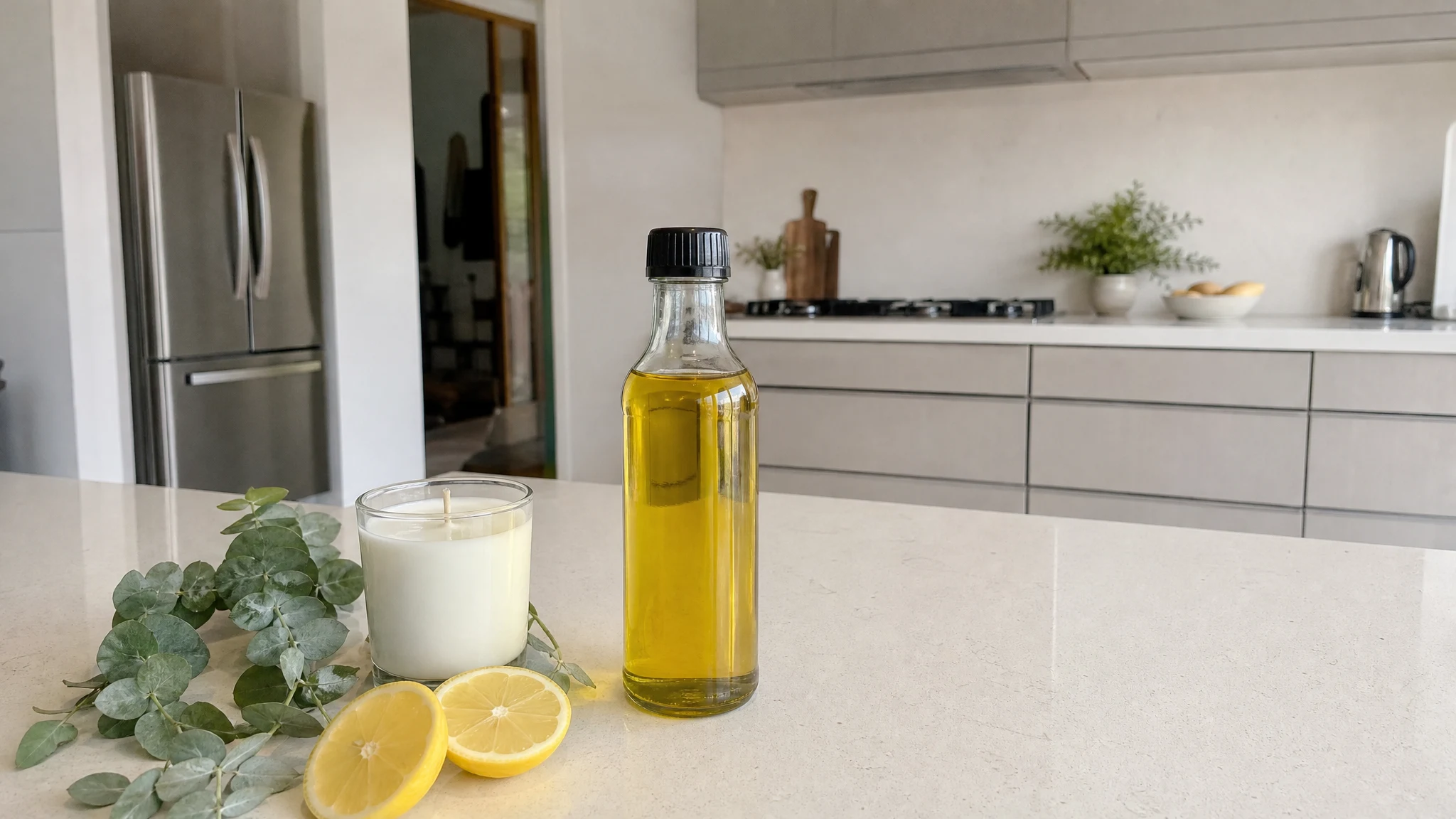
A product title can mean many things; the Latin name narrows it down. The oil you want is Corymbia citriodora, which older sources call Eucalyptus citriodora, and either name is correct. Our own pages use both. It is a different oil from the familiar blue-gum eucalyptus, with a lemony, fresh and green aroma that sits sunnier and more open than the standard camphor-forward kind. Our comparison with eucalyptus globulus shows the contrast.
Is it an oil, or a repellent?
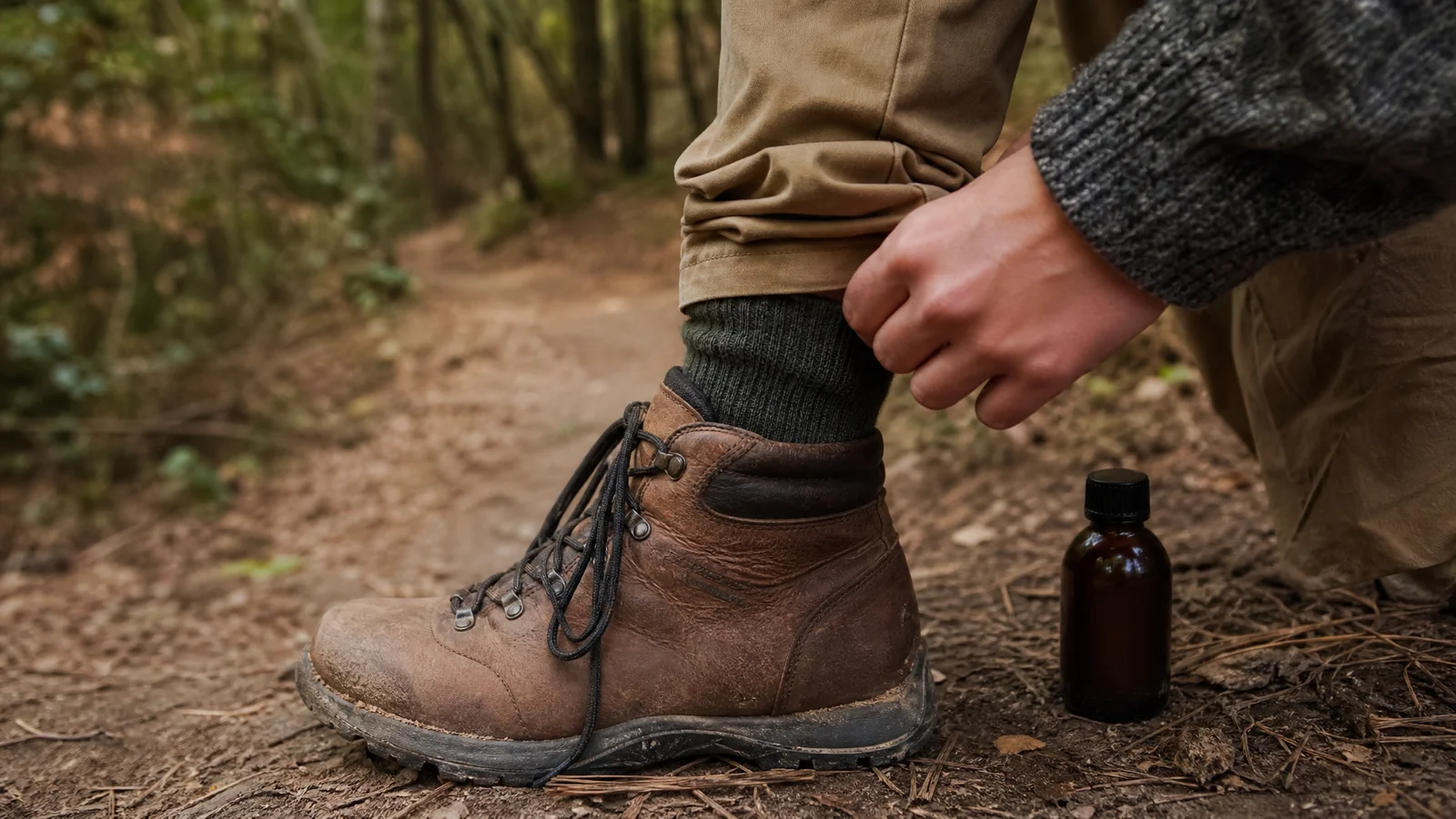
This is the question with the highest stakes, because people often find lemon eucalyptus through its repellent reputation. CDC does not recommend using "pure" oil of lemon eucalyptus, an essential oil that is not formulated, as a repellent, and says the EPA-registered ingredient to look for is oil of lemon eucalyptus (OLE) or PMD, its synthesized version. We sell the essential oil, we make no repellent claim, and if bite protection is what you're after, the right place is the repellent shelf of a pharmacy or outdoor shop. Our explainer on OLE, PMD and the essential oil goes into the difference. Everything below is for scent, soap, candles and craft.
What can you see about the lot?
A label can't prove what is in a bottle. The reasonable things to ask any seller for, roughly in rising order of value, are the botanical name in writing, a safety data sheet, and a lot-specific GC-MS report from a named laboratory. A 2021 study on adulteration explains why the detail matters: relative percentages can reveal a cheaper oil or a synthetic addition, but dilution with a vegetable oil leaves those percentages unchanged and needs absolute quantitation to find (Capetti et al.). Composition also varies naturally, since the tree is native to Australia and is now grown worldwide, with oil chemistry shifting by location, harvest season and leaf age (Goodine and Oelgemoeller, 2020). So one lot's report is a snapshot of that lot. If you want documentation for the oil we sell, ask in writing through the contact page before you order and tell us what you need it for. Our quality article reads a report line by line.
Think of it as a small checklist you could paste into an email to any seller: the botanical name in writing, the safety data sheet, the lot number and the date it was bottled. Sellers who like their product tend to be glad to answer, and the tone of the reply tells you a lot.
How old is it, and how will it be stored?
Essential oils change with time, air and warmth. The Tisserand Institute says most keep well for at least 1 to 2 years before oxidation starts to take effect, that oxidation products can increase the likelihood of skin reactions, and that refrigerating an oil roughly doubles its useful life. We describe our oil as typically holding its character for 2 to 3 years unopened, capped and kept away from sun and heat. Choose a size you will finish in a reasonable time; our first-bottle guide helps match the two, and our storage guide covers what to do once it is open.
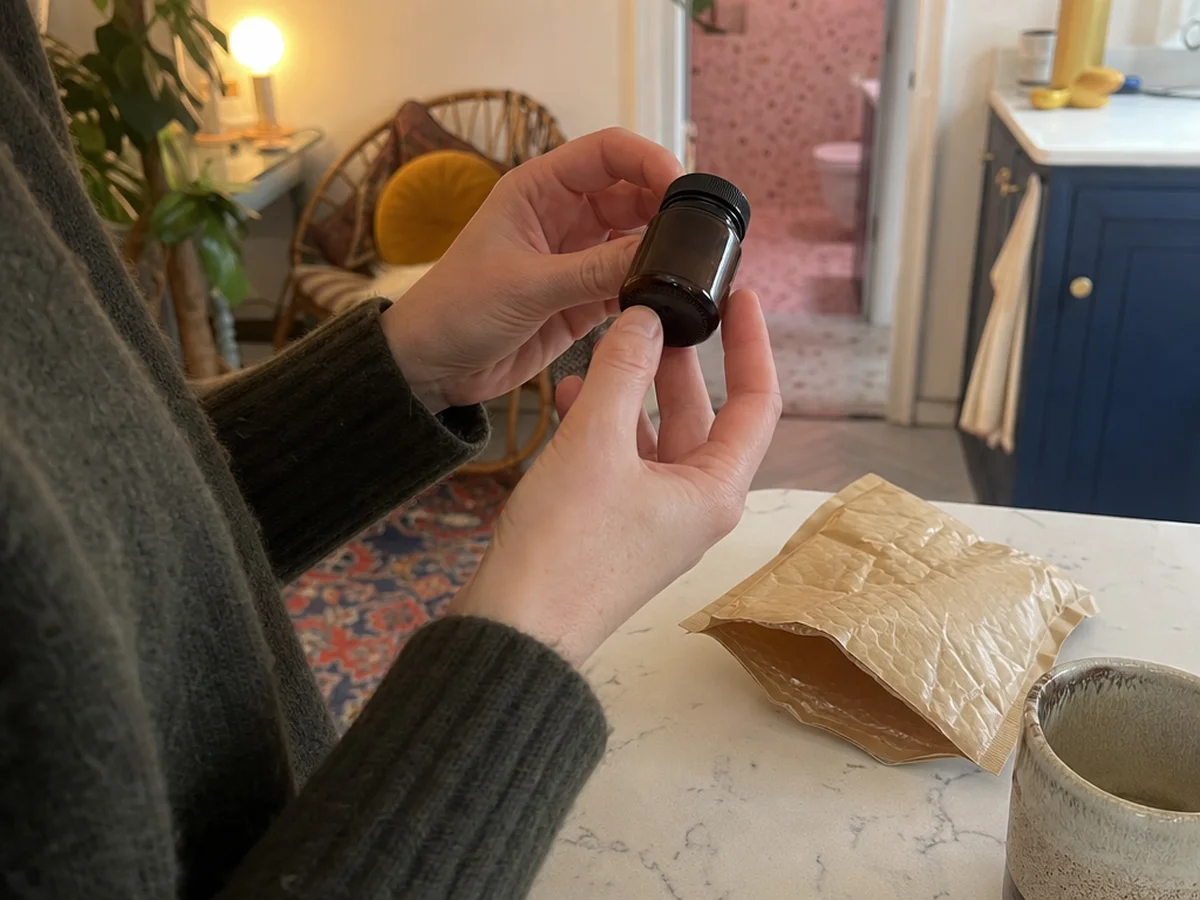
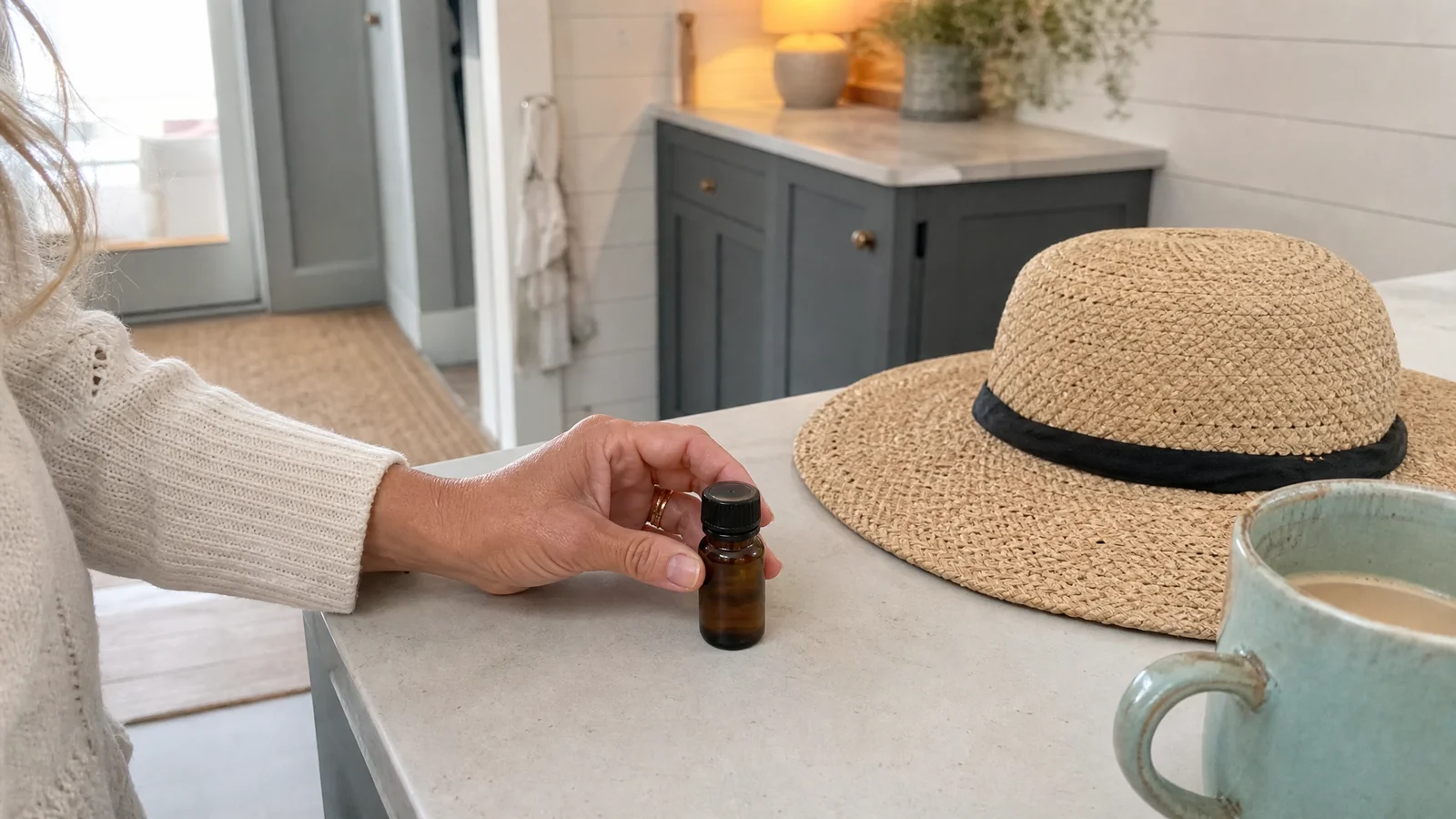
When the bottle arrives, open it and wave it gently under your nose rather than sniffing deeply. Notice whether it reads lemony, green and crisp, the way our product description puts it. Jot down what you notice along with the date, and you will have something to compare against your next bottle, or anyone else's.
If this is your first time with the oil, a small bottle is easy to finish before it ages. Going bigger makes sense once you know you love it and have a project that needs it.
What does the page promise?
FDA explains that a product is classified mainly by its intended use, shown by labeling, website claims and advertising. A product meant to cleanse or beautify is a cosmetic; one meant for a therapeutic purpose is a drug, whatever plant it came from, and advertising claims fall to the Federal Trade Commission. For a shopper, the lesson is easy to apply. A listing that promises an essential oil will do something to a body, an insect or an illness is making a bigger promise than a lawful listing for this kind of product should. Scent descriptions, ingredients, sizes and practical guidance are what you want to see. Our shop footer notes that its statements have not been evaluated by FDA.
About buying from us
We sell one oil, steam distilled from the leaf, in ten sizes: 0.5, 1, 2, 4, 8 and 16 oz bottles, and 5, 25, 100 and 400 lb containers, all the same oil. Orders typically ship in 1 to 2 business days, and 5 lb and up may need longer to prepare. Prices are on the shop page. For business buyers, the wholesale page describes sample bottles, a consultation form, private label and custom formulation requests, and the bulk page covers the large containers. If you are pregnant, nursing, or have a medical condition, check with your physician before using aromatic products, and keep the oil away from children and pets.
Ask the five questions of every listing, including ours, and the right bottle usually announces itself.
Lemon Eucalyptus Essential Oil
Lemon Eucalyptus Essential Oil from our own shop, in sizes from 0.5 oz to bulk.
From $9.99
Shop Now →Sources & Further Reading
- Mosquitoes, Ticks, and Other Arthropods, CDC Yellow Book.
- Adulteration of Essential Oils: A Multitask Issue for Quality Control. Three Case Studies: Lavandula angustifolia Mill., Citrus limon (L.) Osbeck and Melaleuca alternifolia (Maiden & Betche) Cheel. Capetti et al., Molecules, 2021.
- Corymbia citriodora: a valuable resource from Australian flora for the production of fragrances, repellents, and bioactive compounds, Goodine and Oelgemoeller, ChemBioEng Reviews, 2020.
- Is my bottle of essential oil oxidized or no longer good to use? Tisserand Institute.
- Aromatherapy, US FDA.