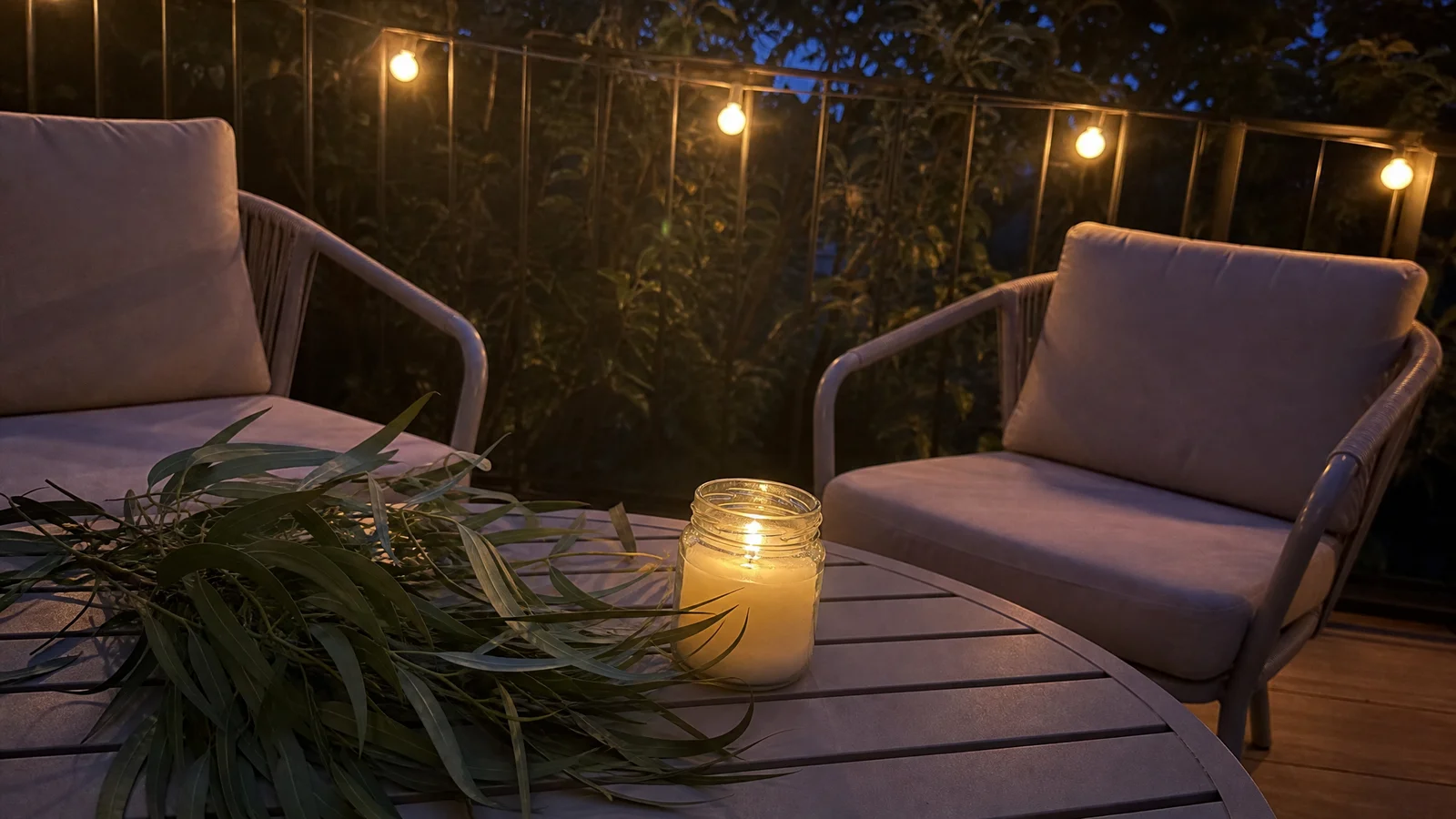
How to Make a Lemon Eucalyptus Candle for the Patio
Picture a warm evening, a table on the patio and a candle that smells like sun on a lemon-scented gum tree: citrus up front, green leaf in the middle and a faint camphor edge. That is what lemon eucalyptus brings to a candle. It is a scent candle, so plan on the ambience, and read on for how to work out a sensible load.

Lemon Eucalyptus Essential Oil
Our own Lemon Eucalyptus Essential Oil, in sizes from 0.5 oz to bulk.
From $9.99
Shop Now →Start with the scent, not a promise
We sell lemon eucalyptus essential oil, and what it does in a candle is smell wonderful. We make no claim that a candle keeps insects away. Our oil is an essential oil and not a registered repellent, and CDC does not recommend "pure" oil of lemon eucalyptus as a repellent because it has not undergone validated testing and is not registered with EPA. If bites are on your mind, an EPA-registered repellent is the right tool, and our backyard guide walks through the options. If you plan to sell candles, FDA notes that scented candles fall under the Consumer Product Safety Commission and advertising claims under the Federal Trade Commission, so describe the scent and leave it there.
The formulation, by weight
Candle makers measure fragrance by weight, not by drops or spoonfuls: oil weight equals the load percentage divided by 100, times the wax weight. The wax, wick, jar and scale come from a craft supplier, since we sell only the oil. Here is the arithmetic for a 320 g batch of container wax.
| Load (of wax weight) | Oil for 320 g of wax | Use |
|---|---|---|
| 3% | 9.6 g | A sensible first candle |
| 4% | 12.8 g | A step up if the cured candle is soft on scent |
| 6% | 19.2 g | A common fragrance-oil figure; a ceiling to approach carefully with an essential oil |
These are our suggested starting points rather than rules. Maximum loads quoted for candle wax are written for fragrance oils, so we would work up from the low end with an essential oil and keep notes. Because the 0.5 oz bottle holds roughly 14.8 mL, and a 3% batch needs 9.6 g, a small bottle is enough for a trial candle or two. Our candle maker's buying guide covers sizing.
Picking a container you will love
Part of the joy of a patio candle is the jar. Choose a heavy, heat-safe container with a mouth wide enough for the wick and the flame, one that looks good on an outdoor table in the evening light. Clear glass shows the pale wax; a deep colored jar hides it. Your wax and wick supplier will tell you which jars they recommend with each wax, and it is worth following their sizing chart so the candle burns evenly. We sell only the oil, so these come from a craft supplier.
Method
- Check the safety data sheet and flash point of every oil you add to hot wax. Add scent at or below the temperature your wax supplier recommends.
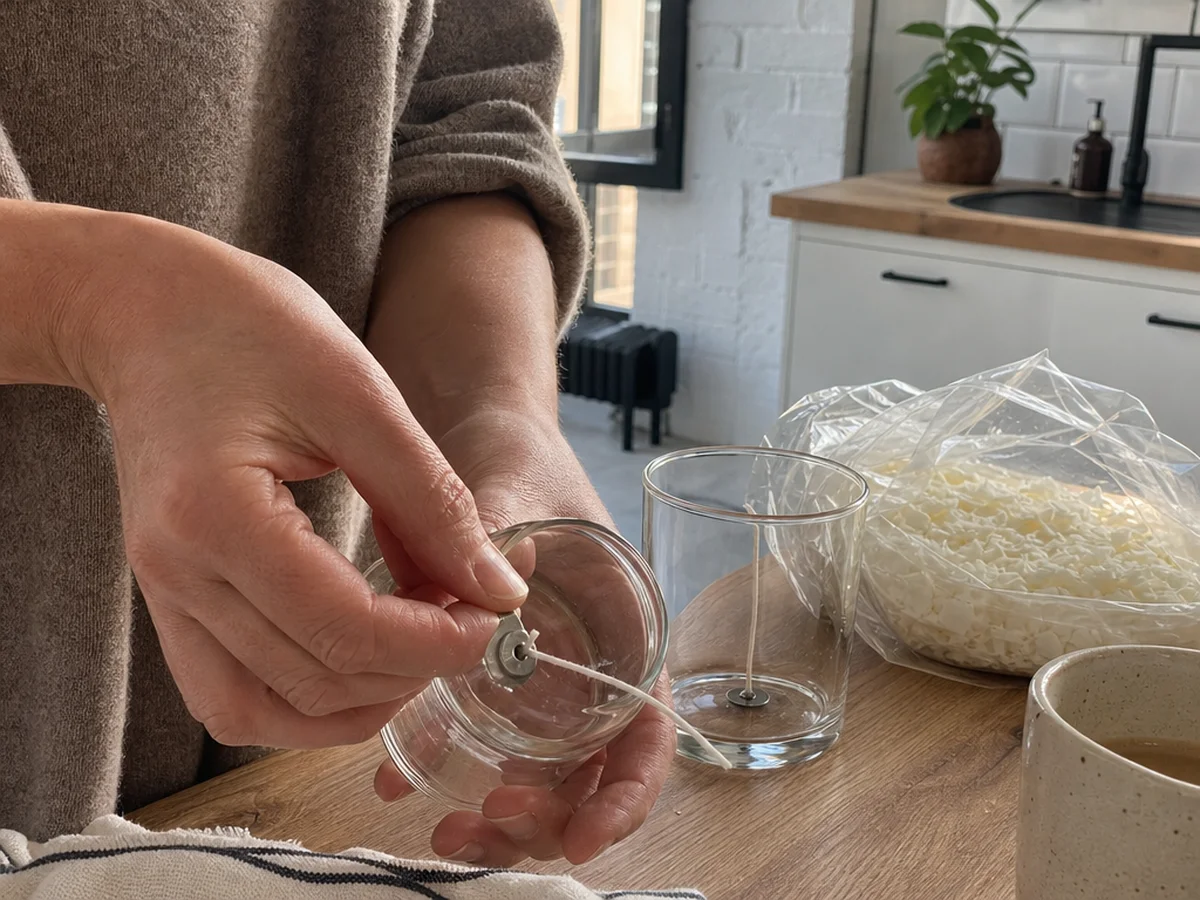
- Weigh the wax, melt it with a thermometer in it, and secure the wick to the jar.
- Let the wax cool to the supplier's fragrance-add temperature, then stir in the weighed oil gently.
- Pour promptly. NorthWood Candle & Craft recommends heating small batches of fragranced wax and pouring right away, because repeated heating and cooling can reduce scent strength.
- Cure the candle for the time your wax supplier specifies before judging the scent, then burn it indoors first, trimmed wick and all.
Top notes are the quickest scents to evaporate, so a lemon eucalyptus candle is at its best as a lively first impression. If you want the citrus to linger, a woodier partner underneath helps, and our article on blending by evaporation order explains why. Cedarwood, lavender and sweet orange are all oils we know blend well with it, though you would buy those from a supplier who stocks them.
What you will notice while it cures
Do not judge the candle the night you pour it. Give it the cure time your supplier suggests, then do two sniffs: one of the cold candle with the lid off, and one after it has burned for a little while. You will likely notice a quieter lemon-green hush from the cold candle, and brighter, sunnier notes once it is lit. Write both impressions down; they will help you decide whether to nudge the load next time.
Burning outdoors, sensibly
Fire safety carries more weight than the scent. The US Fire Administration reports on average 20 home candle fires each day, citing NFPA, and advises keeping candles at least 12 inches from anything that can burn, using sturdy holders on stable surfaces and blowing them out before leaving the area. It also suggests flameless candles as an option. On a patio, that translates to a heavy jar on a steady table, away from cushions, umbrellas and string lights, with a breeze break if the evening is gusty.
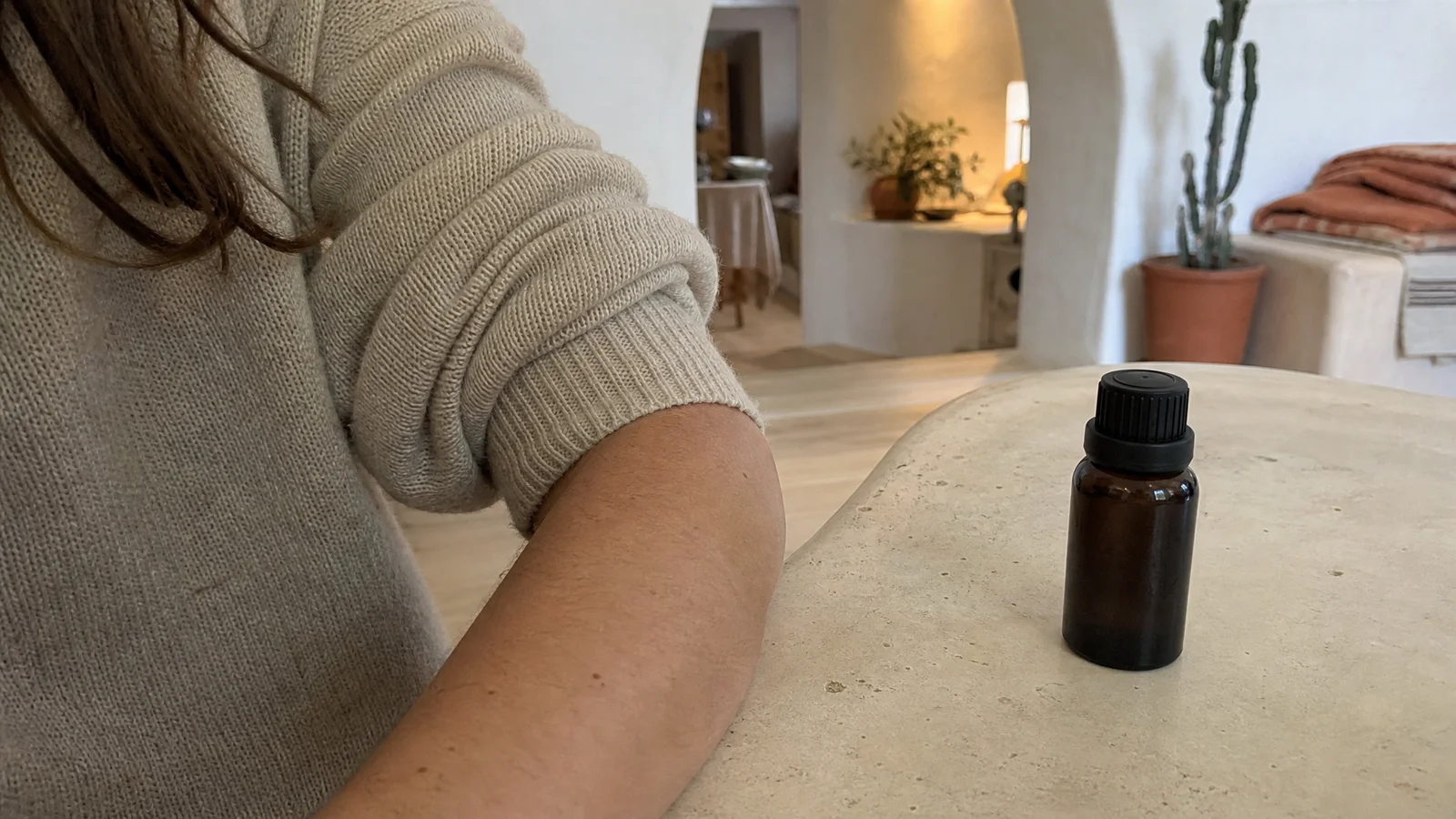
Take care with the oil itself, too. It is a concentrated botanical extract, so keep it capped and out of reach of children and pets, and wash your hands after handling. A scented candle is a lovely way to enjoy it without ever putting it on skin.
When you set it out, put it where you will sit, toward the middle of a sturdy table and not at the edge, so nobody has to reach across the flame. A candle is meant to be looked at as much as smelled, and the soft light is half the pleasure of the evening.
Pour one small test jar, light it on a still evening and take notes. By the second or third batch you will have a load that suits your wax and your nose. Our shop lists the sizes we sell, and for larger batches see our bulk page and guide to buying lemon eucalyptus oil in bulk.
Lemon Eucalyptus Essential Oil
Lemon Eucalyptus Essential Oil from our own shop, in sizes from 0.5 oz to bulk.
From $9.99
Shop Now →