Lemon Eucalyptus Oil Uses: Where Its Aroma Shines
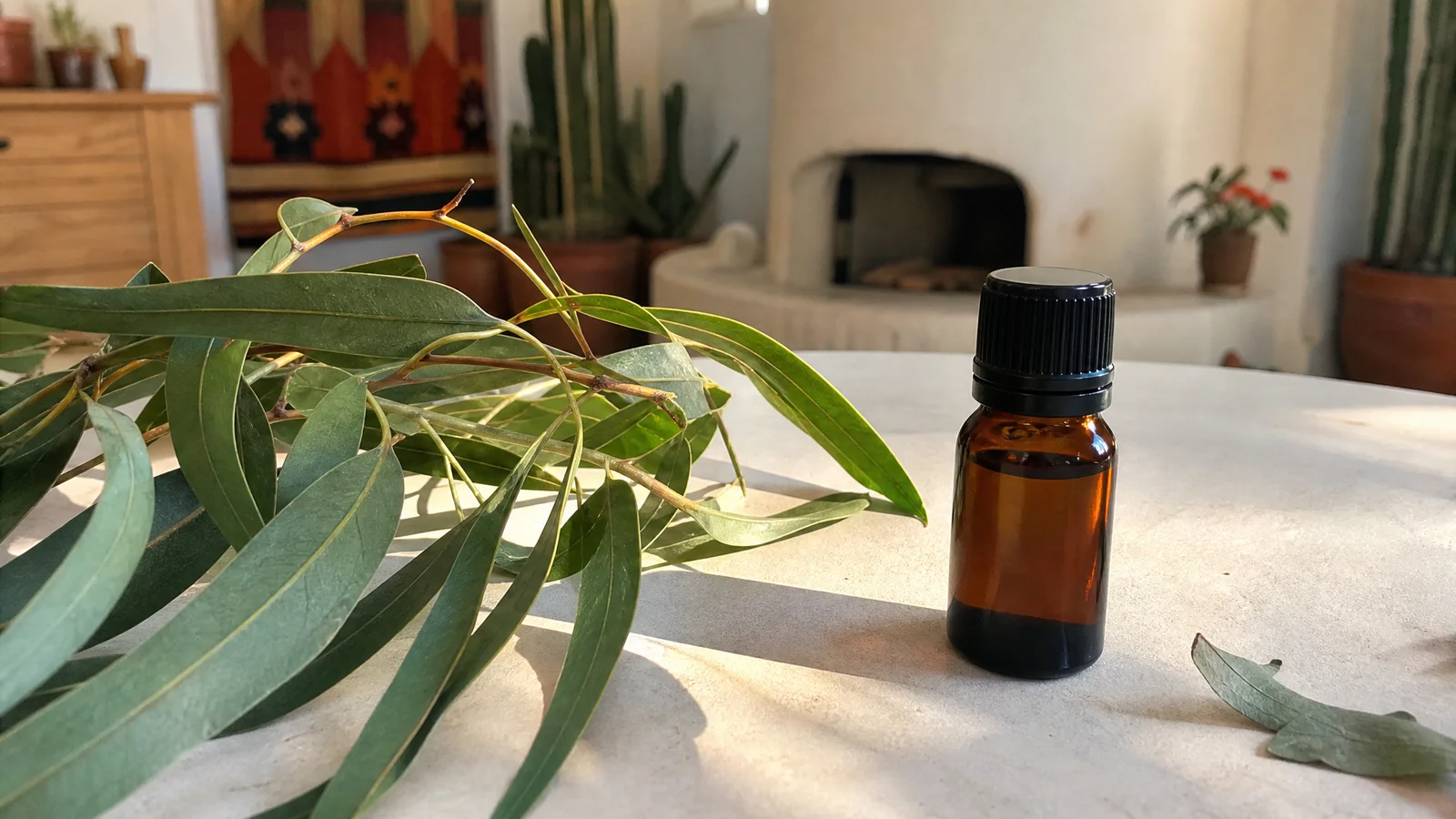
Open a bottle of lemon eucalyptus and the first thing you notice is the lemon: bright, fresh and green, with a crisp, lightly camphorous base that feels sunnier and more open than standard eucalyptus. That aroma is the whole point of the oil, and it is what we would build every use around.

Lemon Eucalyptus Essential Oil
Our own Lemon Eucalyptus Essential Oil, in sizes from 0.5 oz to bulk.
From $9.99
Shop Now →A top note with a real job
In perfumery terms, lemon eucalyptus is a top note, the part of a blend you smell first and that fades first. That makes it a good opening act. It gives a blend lift and a clean start, and then it lets the rest of the blend carry on. Our guidance for pairing it is lemongrass, lavender, cedarwood, peppermint and sweet orange, and each does something different: lemongrass doubles down on citrus, lavender softens the edges, cedarwood gives the bright top something to rest on, peppermint adds coolness and sweet orange adds warmth.
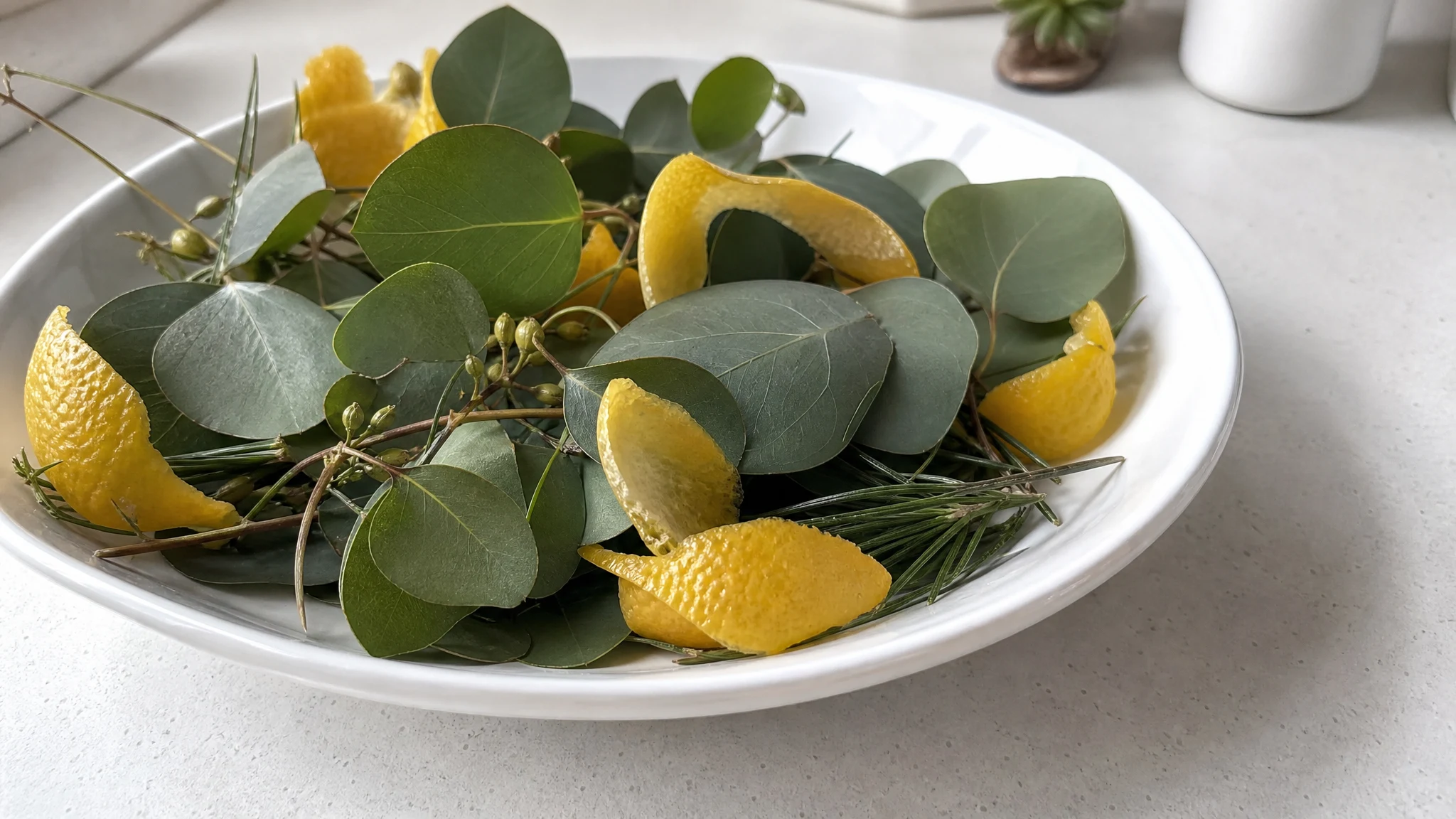
The lemon note comes from the tree. The oil is steam-distilled from the leaf of the lemon-scented gum, which is high in citronellal. A review of the species by Goodine and Oelgemoeller notes that the composition of the oil varies with location, harvest season and the age of the leaves, with citronellal, citronellol and isopulegol among the more abundant compounds. In plain terms, no two lots smell identical, which is true of most natural materials and part of their appeal.
Start with the simplest thing
If you have never used the oil, the easiest first project is a drop on a paper strip or a cotton ball tucked into a small dish where you will pass it. No device, no recipe, no mess. Notice how the scent changes over an afternoon: sharp lemon at first, then the green and the camphor. That small experiment shows what the oil does best, and you can plan every later use around it.
Where the oil shines
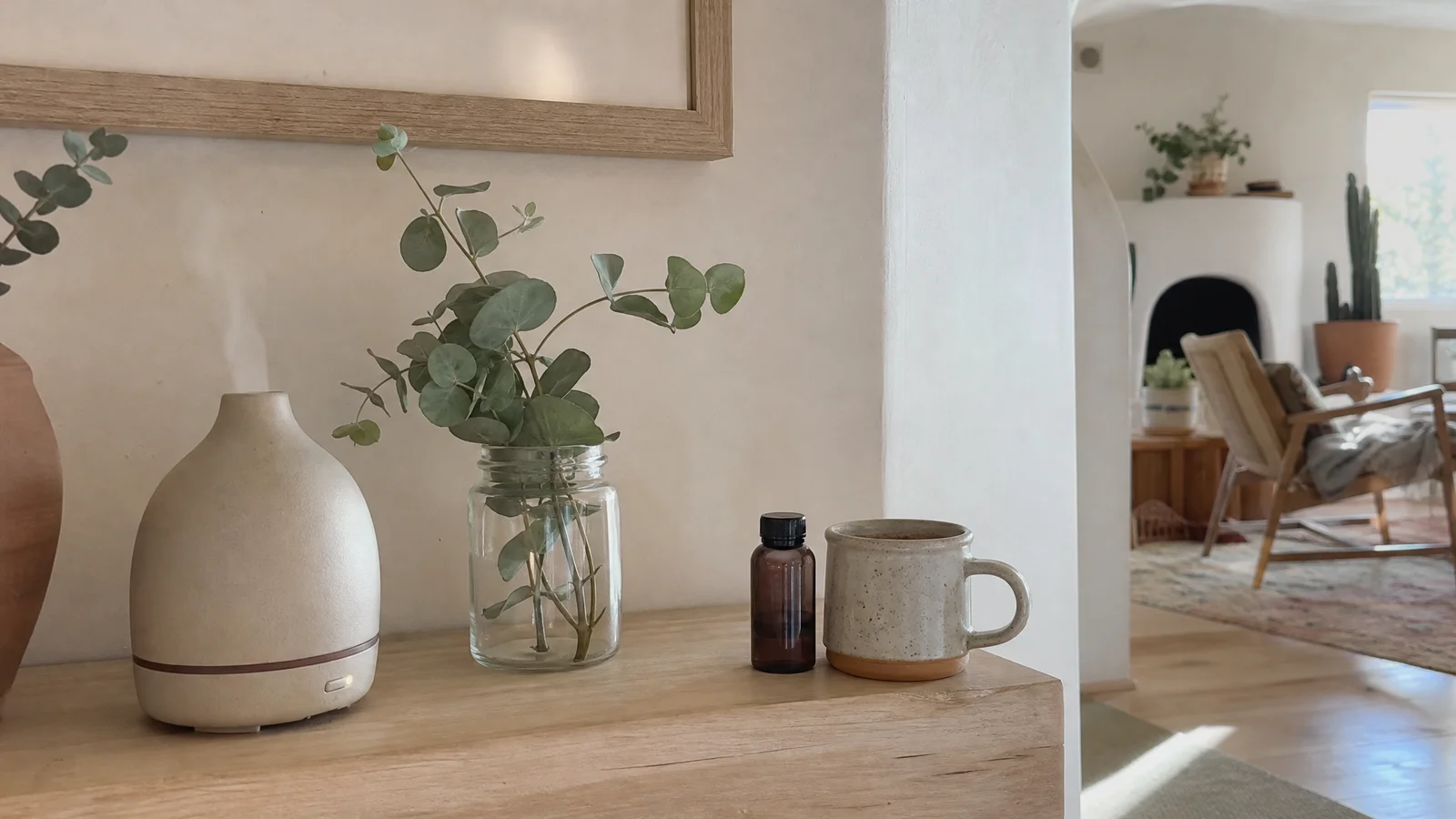
- Diffusers and room scent. A little oil gives a room a sunny, airy feel. It deserves some care in homes with pets, which we cover in our diffusing guide.
- Candles and wax melts. The citrus-green opening is a natural fit. Your wax supplier's fragrance load guidance sets the amount, and our candle maker's buying guide goes through it.
- Soap making. A top note will not last forever in a soap, which is worth knowing before you start. Our walk-through of cold process soap with lemon eucalyptus oil covers expectations.
- Room and linen sprays. A water-based screen-porch spray is one of the uses we have in mind, and our room and linen spray article shows how the maths works.
- Perfumery. A drop or two of lift in a personal fragrance. If it will touch skin, we recommend diluting to 0.5% to 2% in a carrier oil and patch testing first. Citronellal is a known skin sensitizer for some people, so we would begin at the low end and go lightly. Check IFRA standards if you plan to sell what you make.
Pairing it with a season
Lemon eucalyptus feels like open windows. In spring and summer it suits airy rooms, the kitchen and a porch table. Add a woodier partner and it moves comfortably into fall. Think about the feel of the room before you reach for the bottle, and let the oil play the bright opening role it is made for.
What it is not
This is the part we want to be clear about, because the internet muddles it. Lemon eucalyptus essential oil is not the refined oil of lemon eucalyptus (OLE) used in registered insect repellents, and CDC does not recommend undiluted oil of lemon eucalyptus as a repellent because it has not gone through the validated testing and EPA registration that repellents require. We sell the essential oil, and as our how-we-test page says, we do not blur that line. If you want a repellent, a pharmacy will have a registered one. Our comparison of OLE and the essential oil goes deeper.
The same thinking applies to health. The FDA explains that what makes a product a cosmetic or a drug is its intended use: a product intended only to cleanse the body or to make a person more attractive is a cosmetic, while one intended for a therapeutic use, such as treating or preventing disease, is a drug. We sell a scent material, so we stay on the scent side of that line. If you have a health question, a physician or pharmacist is the right person to ask, and if you make products to sell, a lawyer can tell you what your own labels may say.
Small projects first
Whatever you make, make a little. A tiny batch of room spray or a single candle tells you how the oil behaves in your hands, and mistakes are cheap. Label everything with the date and the amounts, and jot down what you thought of it the next day. By the third try you will have a recipe that belongs to you.
Keeping it fresh
We say the oil typically holds its character for 2 to 3 years unopened. Keep the cap on tight and the bottle away from sun and heat, and for opened bottles, decanting working amounts into smaller airtight bottles helps limit air. Our guide to storing the oil has more. Keep it away from eyes, children and pets, and do not take it internally.
Lemon eucalyptus or eucalyptus?
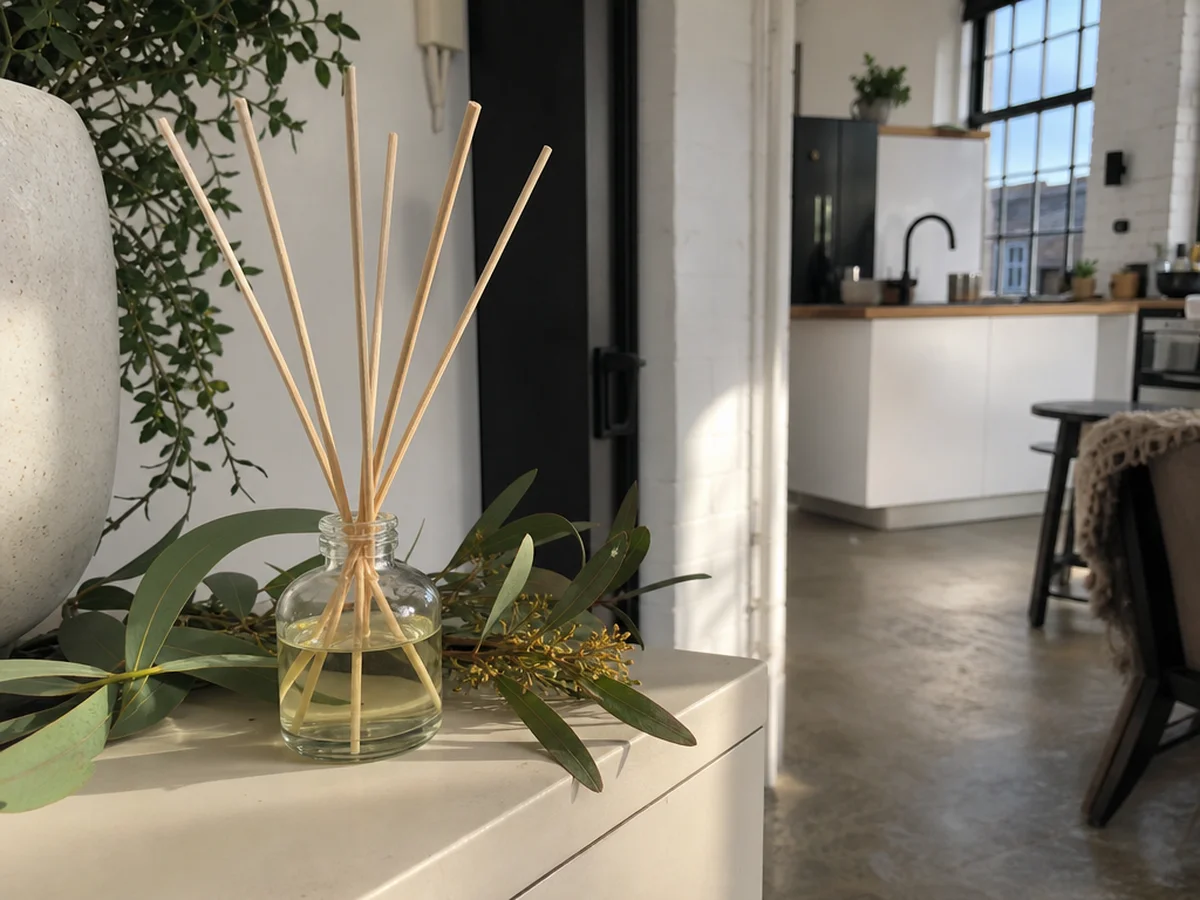
If you came here wanting the camphor-heavy scent of a classic eucalyptus, this is not the same oil. It comes from a different species and smells quite different, as we describe in lemon eucalyptus versus eucalyptus oil. Choose lemon eucalyptus when you want the lemon, and you will not be disappointed.
Lemon Eucalyptus Essential Oil
Lemon Eucalyptus Essential Oil from our own shop, in sizes from 0.5 oz to bulk.
From $9.99
Shop Now →