PMD Repellent Explained: Where It Comes From
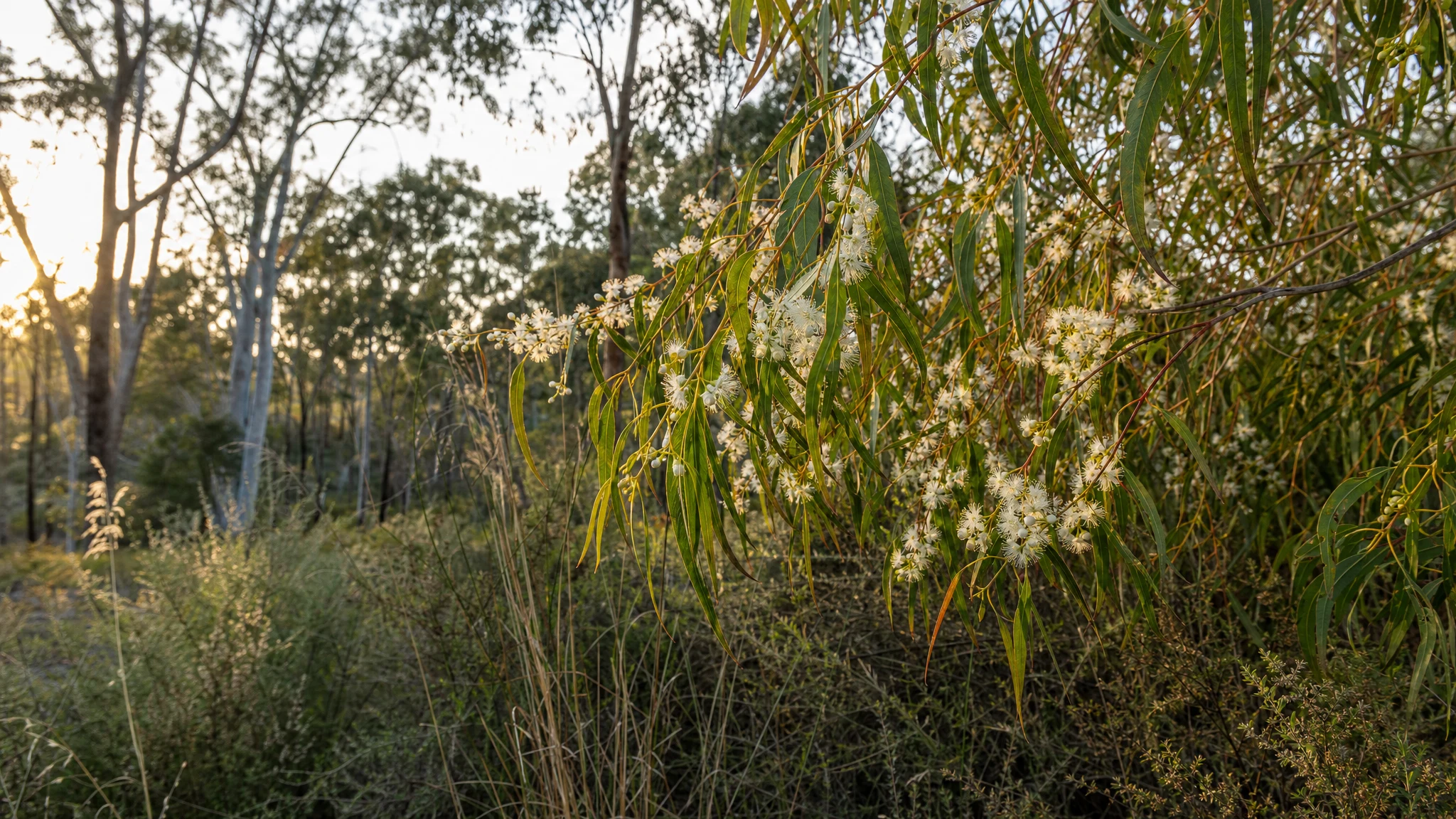
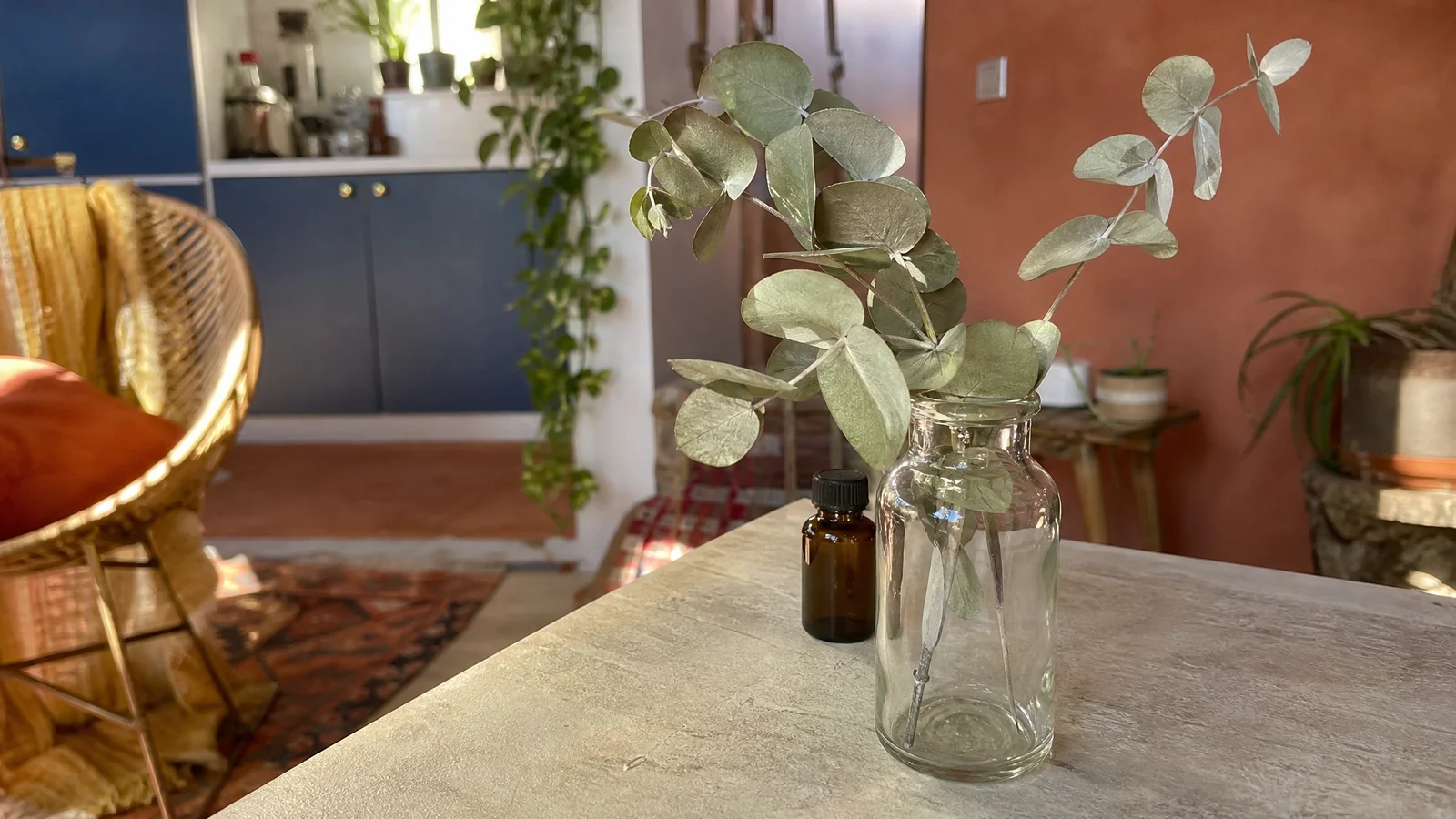
PMD sounds like a chemistry-lab word, but its story starts in a eucalyptus grove. It is short for para-menthane-3,8-diol, and it is the active ingredient in a family of registered repellents that begin life as the leaf oil of the lemon-scented gum. Here is how a lemony oil turns into something quite different.

Lemon Eucalyptus Essential Oil
Our own Lemon Eucalyptus Essential Oil, in sizes from 0.5 oz to bulk.
From $9.99
Shop Now →From aldehyde to diol
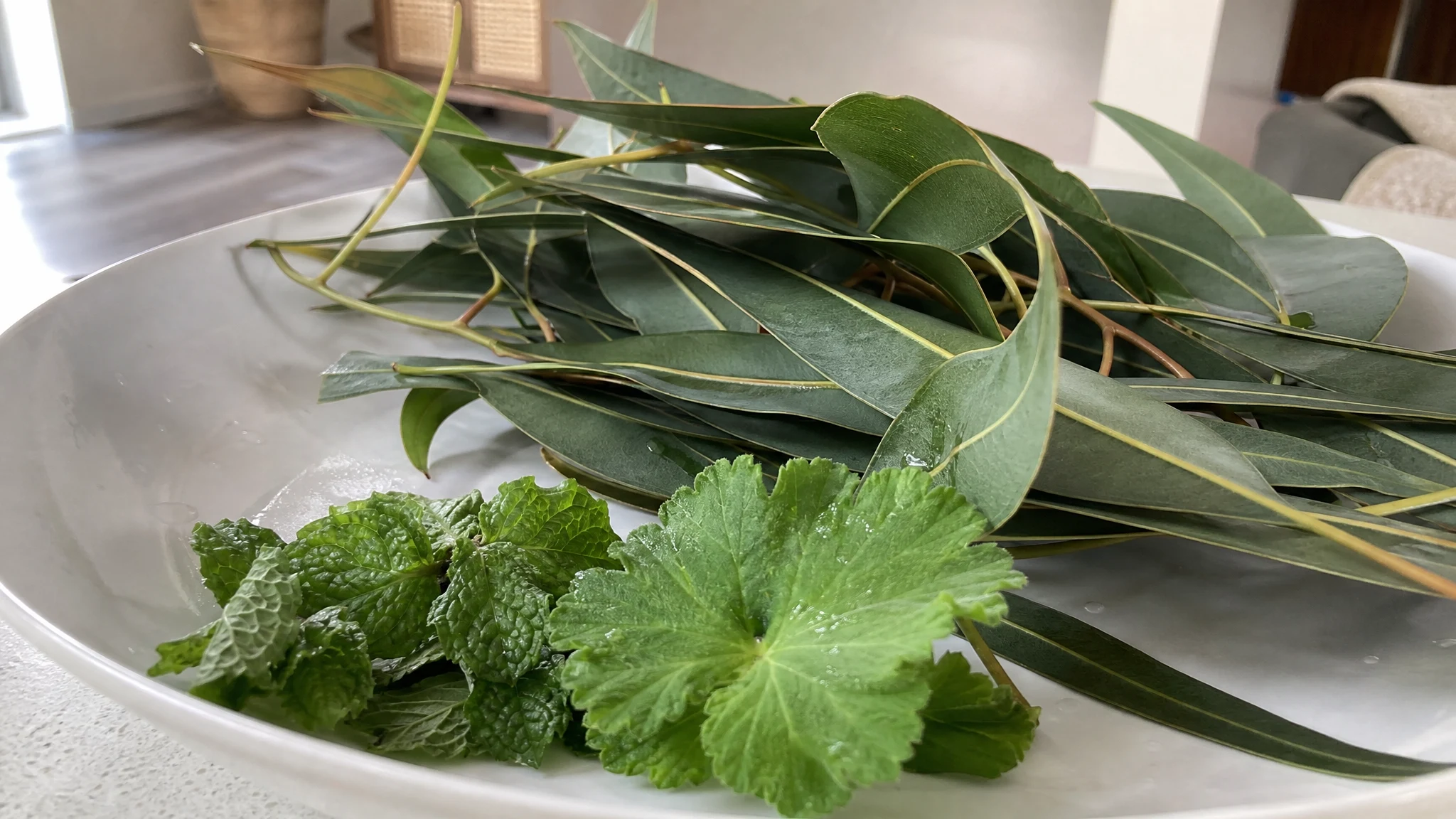
The main aroma molecule in lemon eucalyptus oil is citronellal, an aldehyde. PMD is a different molecule, a ring with two alcohol groups, and the step between them is a controlled chemical reaction. As Wikipedia's PMD entry sets out, PMD can be made from citronellal by what chemists call a Prins reaction, and the crude leaf oil holds only about 1% to 2% PMD while refined oil of lemon eucalyptus can contain up to about 70%. The same entry notes that some commercial PMD is made from synthetic citronellal and not from leaf oil at all. The CDC Yellow Book describes PMD as the synthesized version of oil of lemon eucalyptus.
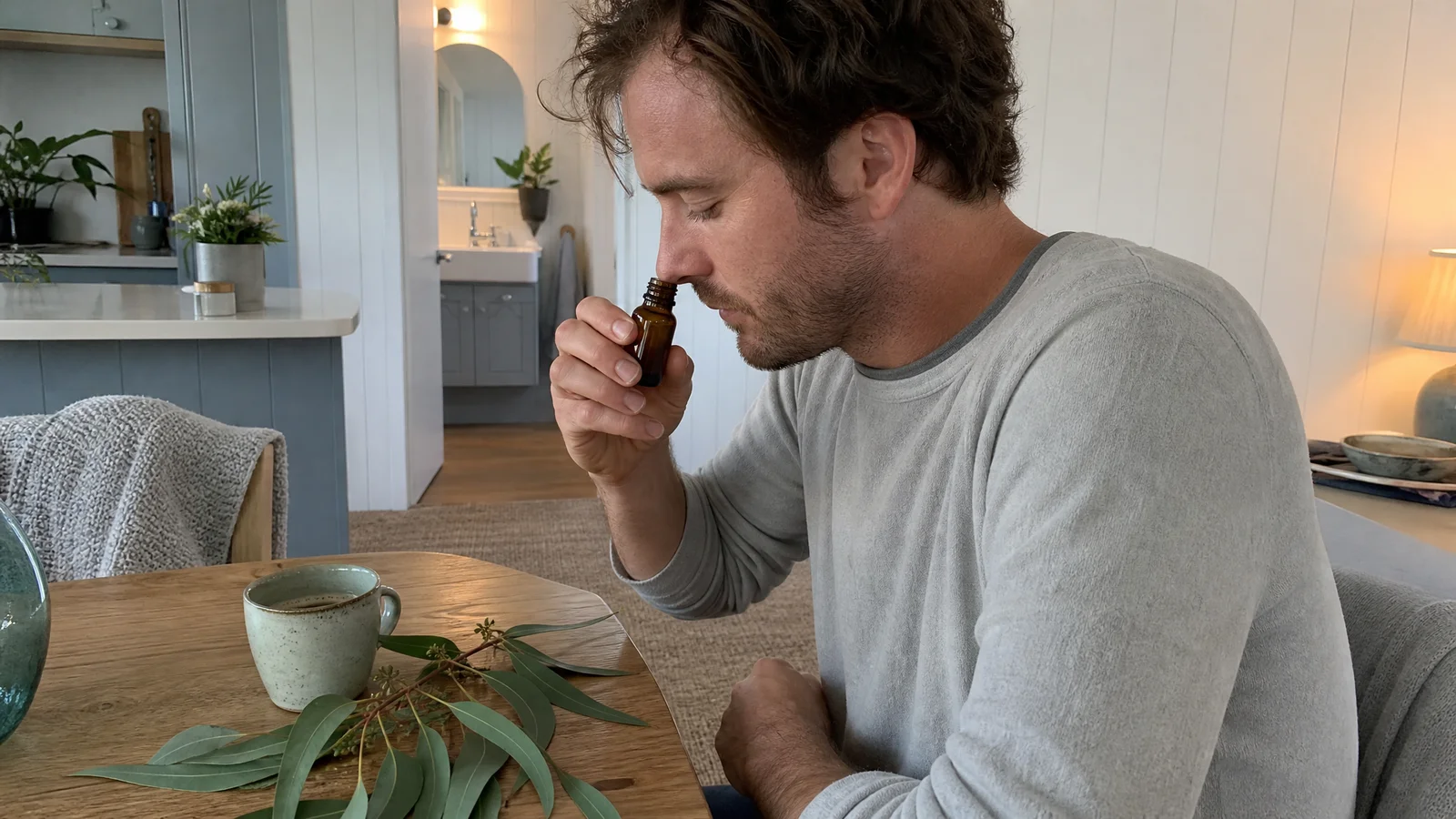
That has a practical consequence we like to spell out: an essential oil sitting on a shelf does not become a repellent. It would take a deliberate refining step. Over time an oil can oxidise, which is an entirely different change, and one we cover in our storage guide. Our citronellal article covers the starting molecule.
PMD, OLE and the percentage trap
EPA lists oil of lemon eucalyptus and PMD as two separate active ingredients, with six registered products each when we looked. They are related, not identical. That matters because the percentage on a label belongs to one ingredient or the other: "30% oil of lemon eucalyptus" is not "30% PMD". Our own advice is to compare products on the same ingredient basis, read which one the number refers to, and not to judge on the front-of-pack figure alone. Our concentration guide explores what the numbers mean.
It is a nice reminder that a lot of everyday products start with a plant somewhere. The leaf in your hand and the label on the shelf can be a surprisingly long way apart.
A short history
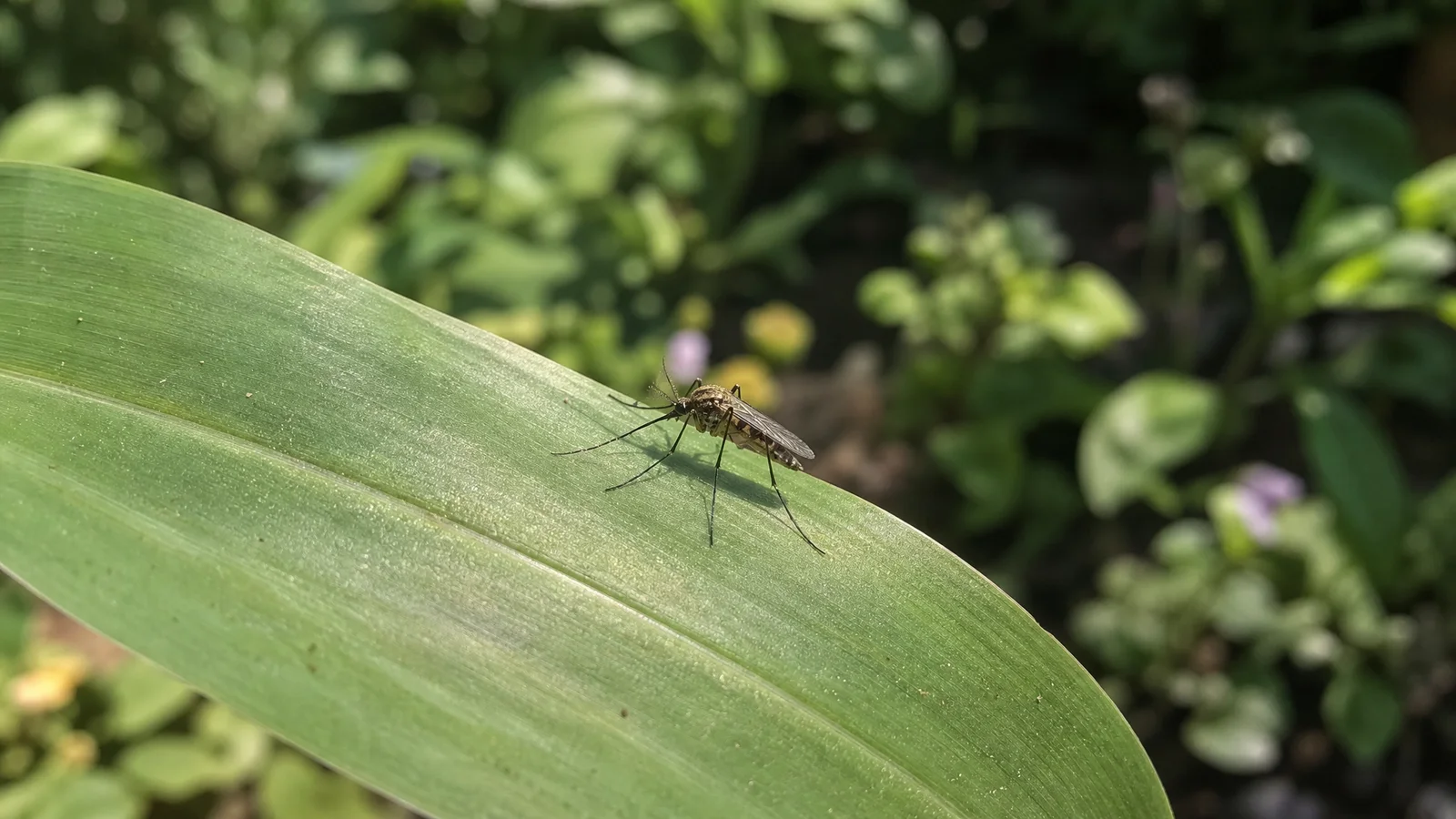
PMD has a surprisingly young story. According to the review by Maia and Moore, lemon eucalyptus was identified as a repellent plant in the 1960s, through mass screening of plants used in Chinese traditional medicine, and the same review attributes PMD's longer-lasting protection partly to a lower vapour pressure than most plant monoterpenes. The authors of a 2006 review describe it as a by-product of distilling the leaves of the Australian lemon-scented gum and conclude that the CDC's endorsement of it was warranted. The tree behind the story gets its own page: the lemon-scented gum.
Keep the box or take a photo of the label, so you can look up the ingredient again later if you want to compare it with another brand.
What it means for shopping
- Find the active-ingredient panel and note whether the percentage belongs to "oil of lemon eucalyptus" or "PMD".
- Check the EPA registration number, the pests named and the age statement. The CDC says OLE and PMD products generally should not be used on children under 3, with a narrow exception for certain OLE-only products at 30% or less.
- Follow the directions on the label, including limits on how often to reapply.
Our buyer's guide and OLE explainer go through the choosing in more detail.
A way to picture the change
Think of baking. Flour and eggs sit side by side in the kitchen, but nobody mistakes one for a cake. The ingredients are related to the finished product, yet it takes a process, and a recipe, and some controlled heat to get from one to the other. The leaf oil and the repellent ingredient have that kind of relationship. One came first and the other is what can be made from it, and it takes a purpose-built factory step, not a bottle left on a shelf, to get there.
Three common misreadings
"PMD is a pesticide, so it must be alarming." Pesticide is simply the legal category for anything sold to repel pests. Registered products come with testing, a label and directions, which is more than an unregulated mixture can say.
"Plant-derived means it is the same as the plant oil." The processing step changes the chemistry, which is the whole point of this page.
"More percent always means better." The label's percentage and directions are what was tested, so follow them as written.
Why we like telling this story
We love a plant with a good backstory, and this is one. A tree grown for its scented leaves also ended up behind a well-known repellent ingredient. That is a pleasant bit of trivia to share at a barbecue, as long as the conversation ends with a reminder to read the label on whatever bottle is in your hand.
Where our oil stands
We sell the essential oil, steam distilled from the leaf, and it contains citronellal, the molecule PMD begins with. It is not PMD, and we do not offer it as a repellent; our how-we-test page says the same. If bug protection is your goal, a registered product is the answer, and our comparison of OLE and the essential oil shows why. If you want the oil for what it does best, its bright, lemony aroma in candles, soaps and diffusers, we are glad to help, and you can ask us anything through the contact page.
It is a lovely bit of botany: one tree, one leaf, and two very different bottles at the end of it.
Lemon Eucalyptus Essential Oil
Lemon Eucalyptus Essential Oil from our own shop, in sizes from 0.5 oz to bulk.
From $9.99
Shop Now →Sources & Further Reading
- p-Menthane-3,8-diol - Wikipedia
- Skin-Applied Repellent Ingredients (US EPA)
- Mosquitoes, Ticks, and Other Arthropods (CDC Yellow Book)
- Plant-based insect repellents: a review of their efficacy, development and testing (Maia and Moore, Malaria Journal, 2011)
- PMD, a registered botanical mosquito repellent with deet-like efficacy (J Am Mosq Control Assoc, 2006)