Lemon Eucalyptus vs Blue Gum: Which Suits Your Blend?
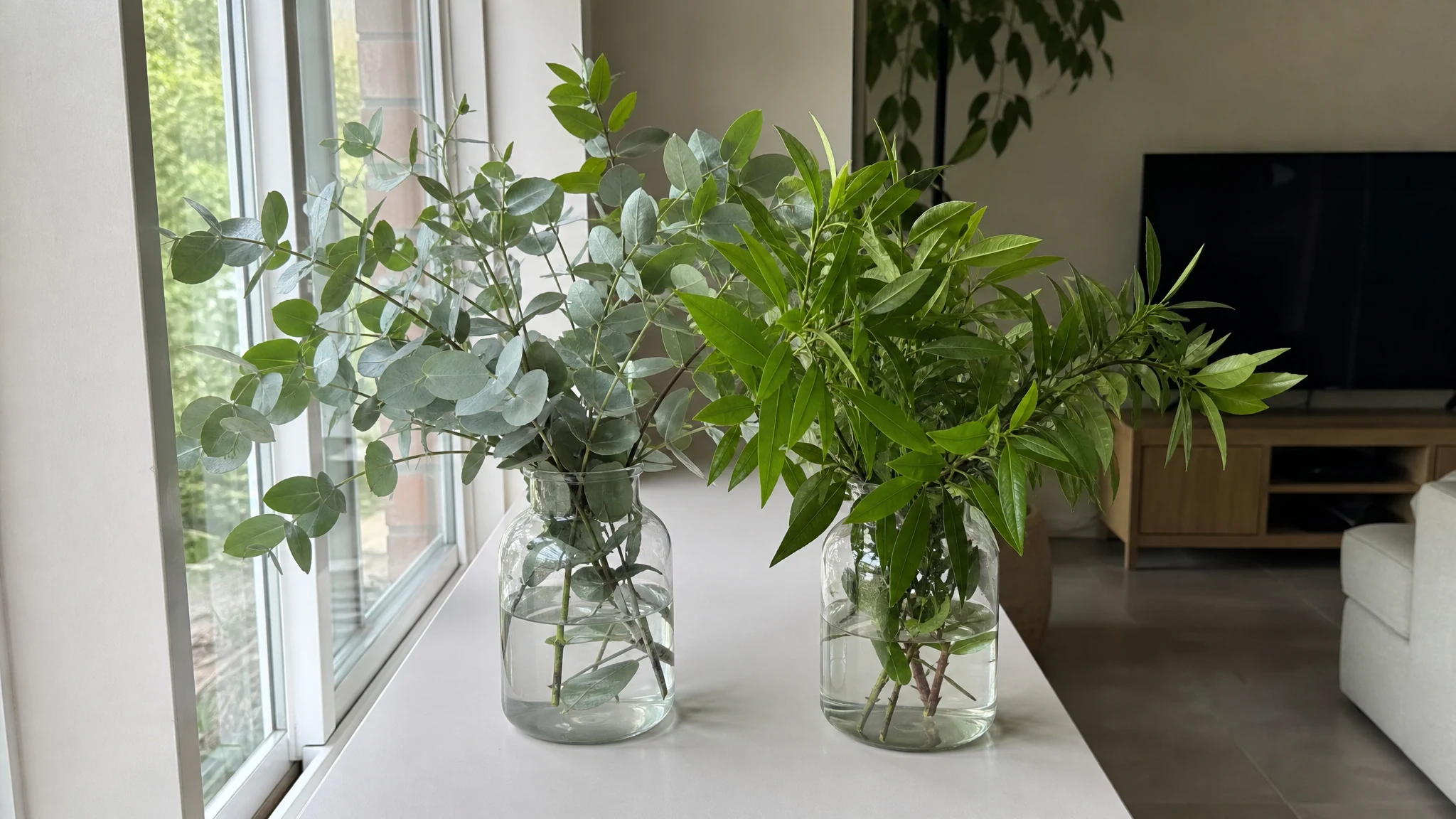
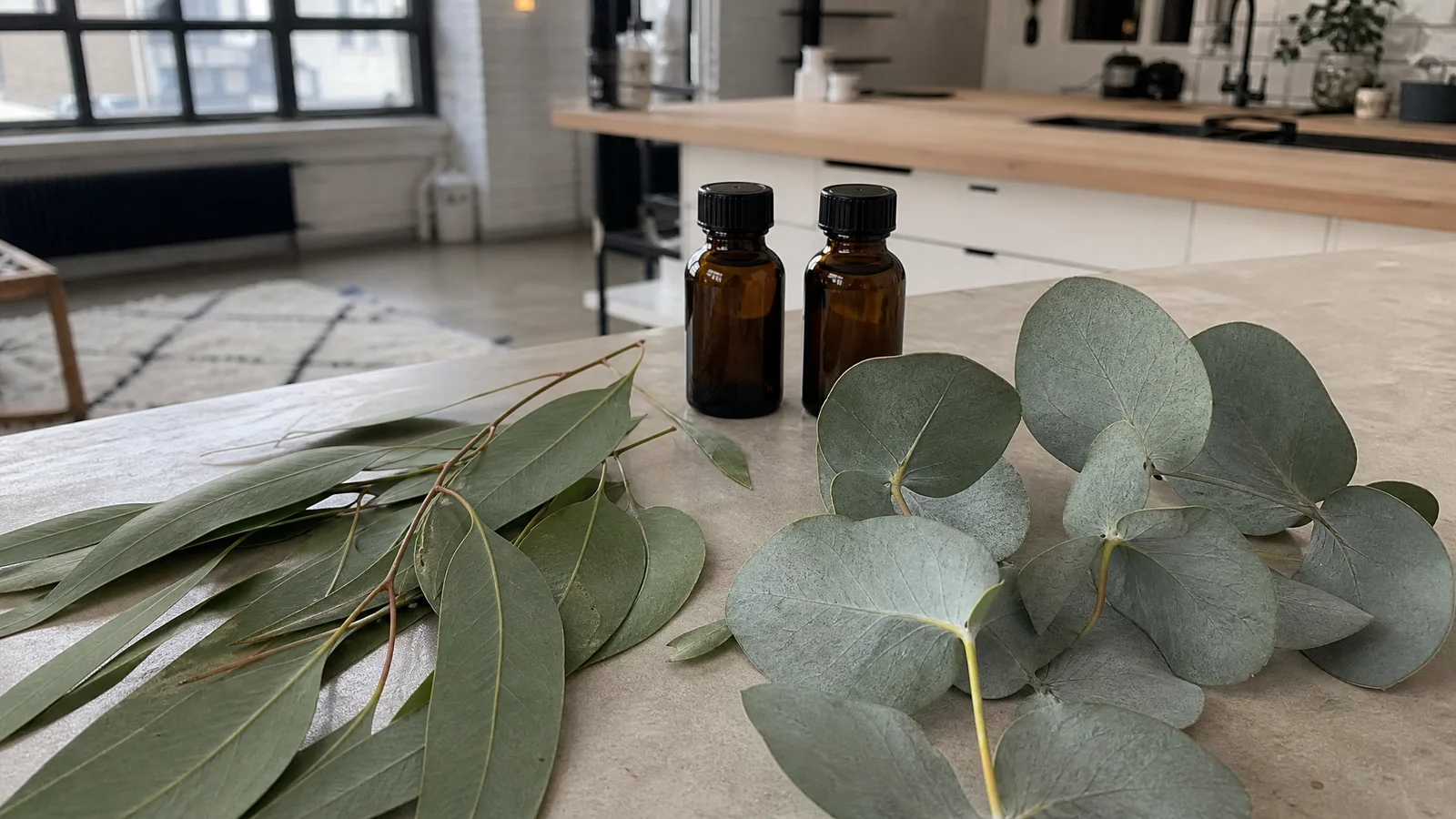
Hold two small bottles side by side, one labeled lemon eucalyptus and one simply eucalyptus, and your nose will tell you almost everything before the chemistry does. One smells of lemon peel and green leaves. The other smells like a cough drop aisle. They come from trees that share a common name and not much else, and treating them as stand-ins for one another is the quickest way to ruin a blend.

Lemon Eucalyptus Essential Oil
Our own Lemon Eucalyptus Essential Oil, in sizes from 0.5 oz to bulk.
From $9.99
Shop Now →A name change that explains a lot
Lemon eucalyptus was long filed as Eucalyptus citriodora. In 1995 a revision of the bloodwoods by Hill and Johnson moved those trees into a separate genus, Corymbia, which is why the tree is now Corymbia citriodora (as summarized in a 2023 review of the genus). Plenty of labels still carry the older name, and the botanical name on a label is a good place to start when you shop. Blue gum, Eucalyptus globulus, stayed where it was. Two genera, two chemistries. Our piece on the tree has the botanical background.
The two-bottle sniff test
If you can, put both on paper strips and move between them slowly. The lemon eucalyptus opens with lemon peel and fresh green leaf, light and bright. The blue gum brings that clean, cooling, cough-drop camphor most of us already know. Switch back and forth a few times and your nose will start sorting them without any help from a chart.
Citronellal against cineole
Every leaf oil is led by a few molecules, and here the leaders are different. Lemon-scented gum oil is led by citronellal, which is catalogued with the odor "intense lemon-citronella-rose". In a Brazilian study that analyzed a steam-distilled sample, citronellal made up 61.78% of the oil. Blue gum oil is described in the literature as a 1,8-cineole-rich oil, and 1,8-cineole, also called eucalyptol, carries a "camphor-like" odor in the same reference database.
Those numbers describe one sample and not a standard. Composition shifts with origin, season and distillation, so a figure is an illustration of the pattern, not a promise about any bottle. The pattern itself is dependable: citronellal gives the lemon, cineole gives the camphor.
What that means in a blend
We describe our oil as lemony, fresh and green, with bright citrus lift up front and a crisp, lightly camphorous base that feels sunnier and more open than a standard eucalyptus. It sits comfortably as a top note, and it blends well with lemongrass, lavender, cedarwood, peppermint and sweet orange. A cineole-led oil in the same recipe would pull the whole thing toward the medicinal, so a formula written around one needs rebalancing, not just swapping, if you move to the other.
The corollary helps when you are shopping. A bottle labeled only "eucalyptus oil" is probably a cineole type. A bottle labeled lemon eucalyptus should be citronellal-led. The label does not prove it, though, so ask any supplier for the botanical name in writing and for batch documentation if the details matter to your product. We say the same of ourselves: if you need specifics for a formulation, ask us through the contact page before you order. The label and quality article explains what to ask for. For more on how lemon eucalyptus smells and sits in a blend, read the scent profile.
The repellent mix-up
A lot of confusion comes from the registered repellent ingredient "oil of lemon eucalyptus", which traces to Corymbia citriodora: its PMD component is a spent product of the distillation of the leaves of the lemon-scented gum. That ingredient is a refined, EPA-registered material made by other companies. CDC's Yellow Book says it does not recommend using "pure" oil of lemon eucalyptus as a repellent, and neither oil here is one. We sell an essential oil for fragrance, and the comparison of OLE and the essential oil goes through the split.
Handling either one sensibly
Both are concentrated botanical extracts. Neither is for swallowing, and Poison Control notes that swallowed essential oils can be poisonous, with help available at 1-800-222-1222. Poison Control also says to dilute oils in a carrier before skin use, to avoid damaged skin, and to keep bottles locked away from children and pets. Our own guidance matches: we recommend diluting lemon eucalyptus to 0.5% to 2% in a carrier oil, starting at the low end, patch testing first, and keeping it away from eyes, children and pets. Because we sell the oil neat, the dilution arithmetic is yours, and our dilution guide walks through it. We sell an external cosmetic and aromatic oil, so questions about pregnancy, babies or a medical condition belong with your physician or pediatrician.
Why we love the lemon one
We love lemon eucalyptus for the way it smells: sunny, open and a bit unexpected for a eucalyptus. If you love the classic camphor-forward scent, you will want a blue gum from a supplier who sells it, and there is nothing wrong with that. Plenty of scent projects want both a lemon lift and a cool, fresh note, and you can use them in turn.
Picking the right one
| You want | Reach for |
|---|---|
| A citrus-green top note for a diffuser, room spray or candle | Lemon eucalyptus |
| The classic camphor-like eucalyptus aroma | A cineole-led eucalyptus such as blue gum |
Both belong in a thoughtful collection, and they do different jobs. If you want the lemon one, you now know what to look for on the label and what your nose should say when you open the bottle.
Lemon Eucalyptus Essential Oil
Lemon Eucalyptus Essential Oil from our own shop, in sizes from 0.5 oz to bulk.
From $9.99
Shop Now →Sources & Further Reading
- The Ethnopharmacology, Phytochemistry and Bioactivities of the Corymbia Genus (Myrtaceae), Plants, 2023.
- Fumigant antifungal activity of Corymbia citriodora and Cymbopogon nardus essential oils and citronellal against three fungal species, ScientificWorldJournal, 2014.
- Eucalyptus globulus: From Botanical Identity to Cross-Disciplinary Preclinical Relevance in Dentistry, Medicine, and Nanotechnology, Plants, 2026.
- Citronellal, PubChem, odor entry from the Hazardous Substances Data Bank.
- 1,8-Cineole, PubChem, odor entry from the Hazardous Substances Data Bank.
- PMD, a registered botanical mosquito repellent with deet-like efficacy, Journal of the American Mosquito Control Association, 2006.
- Mosquitoes, Ticks, and Other Arthropods, CDC Yellow Book.
- Essential oils: Poisonous when misused, Poison Control.