Lemon Eucalyptus and Ticks: What the Label Tells You
Mosquito protection and tick protection are not the same claim, and that surprises a lot of people reading a repellent label for the first time. A product can be registered for mosquitoes alone, for ticks alone, or for both, and the protection time can differ for each. So if ticks are your worry, the label is where the answer lives.
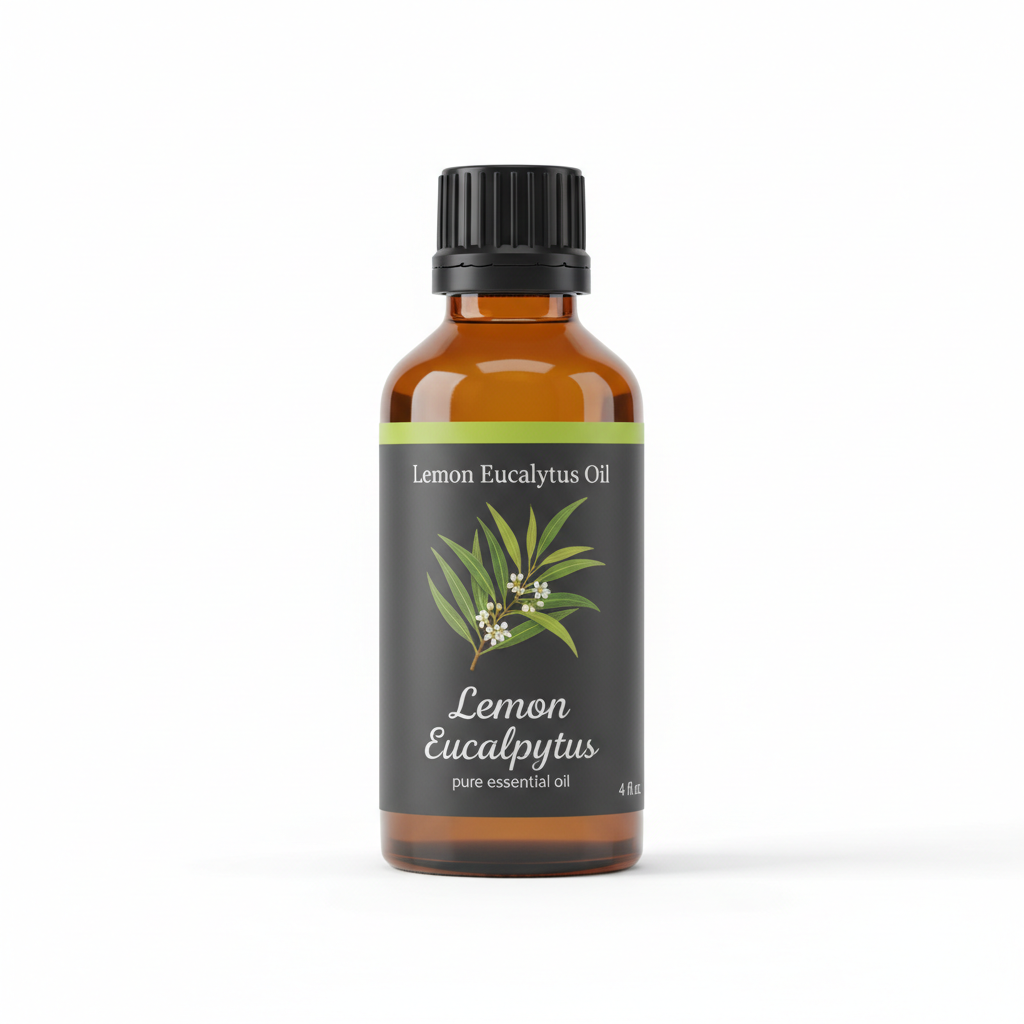
Lemon Eucalyptus Essential Oil
Our own Lemon Eucalyptus Essential Oil, in sizes from 0.5 oz to bulk.
From $9.99
Shop Now →Where lemon eucalyptus fits
We sell lemon eucalyptus essential oil, steam distilled from Corymbia citriodora leaf. It is an aromatic oil, and we sell the essential oil and not a registered repellent. We say plainly that it is not a tick product. The repellents CDC and EPA discuss are refined, registered products made by other companies, and CDC lists oil of lemon eucalyptus (OLE) and PMD among the active ingredients it recommends. CDC also says of unregistered products: "We do not know the effectiveness of non-EPA registered insect repellents, including some natural repellents." So nobody should count on a bottle of essential oil against ticks, ours or anyone's. For the longer story on the refined ingredient, see what oil of lemon eucalyptus is.
Start with the label
EPA's repellent search tool lets you filter for products that protect against mosquitoes, ticks, or both, and it returns only EPA-registered skin-applied products. EPA also reminds readers to read the label, and notes that protection times vary because of differences in testing conditions. In practice: look for the registration number, then look for the word "ticks" and the time stated next to it. Our guide to reading an insect repellent label goes through the rest.
What recent research adds
A study published in February 2026 in the Journal of Medical Entomology by Anholeto and colleagues tested a PMD-based fabric spray on blacklegged ticks and American dog ticks across cotton, cotton-polyester and polyester. According to Entomology Today's summary, PMD caused significantly higher repellency than negative controls in a five-minute assay and did not differ significantly from a DEET control. Blacklegged ticks avoided treated fabric for the first three days in Y-tube tests, with no significant preference from day 7. American dog ticks lost significant repellency after day 3 in some tests. The researchers pointed out what is still to come, which is field efficacy and studies linking repellent performance to fewer tick bites and lower disease risk. We read the news summary, and not the full paper, so treat the detail as a pointer.
What stands out is how much the answer depends on the species, the fabric and the test. It also concerns PMD, the refined ingredient, and not essential oil. That is the reason the layers below matter more than any single product.
A label-reading routine for tick season
Before the first hike of the year, it is worth ten minutes at the kitchen table with every repellent in the house. Pick each bottle up and read the back, not the front. Find the registration number, find the pests it names, and note the time it claims. If a bottle only mentions mosquitoes, you now know it is not the one to carry on a wooded trail. If a label is faded or missing, retire the bottle and replace it with a fresh one.
It also helps to keep one bottle where you will actually use it: by the back door, in the car or in the day pack. A repellent in a cupboard at the other end of the house protects nobody.
Which ticks are we talking about
CDC notes that only a few of the many US tick species bite people and spread disease, and that a species being present in an area does not mean it transmits a given disease there.
| Tick | Where (per CDC) | Diseases CDC links to it |
|---|---|---|
| Blacklegged tick | Widely across the eastern US | Lyme disease, anaplasmosis, babesiosis, Powassan virus and others |
| Western blacklegged tick | Pacific coast, especially northern California | Lyme disease, anaplasmosis, hard tick relapsing fever |
| Lone star tick | Northeast, South and Midwest | Ehrlichiosis, tularemia, Heartland and Bourbon viruses; growing evidence links its bite to alpha-gal syndrome |
| American dog tick | Widely east of the Rockies | Tularemia, Rocky Mountain spotted fever |
Seasons vary by region, and we cover them in mosquito and tick season by region.
Layers beat any one product
CDC's tick guidance reads like a checklist instead of a single bottle:
- Use an EPA-registered repellent, looking for the registration number on the label.
- Treat boots, clothing and camping gear with 0.5% permethrin, or buy items already treated.
- Stay out of tall grass and leaf litter, and walk in the center of trails.
- Check clothing, gear and pets when you come indoors, and tumble dry clothes on high heat for 10 minutes.
- Shower within two hours of coming indoors, which CDC says has been shown to reduce the risk of Lyme disease.
- Do a full-body check, with a mirror, for yourself and your children.
Our tick prevention guide walks through the same habits in a practical order. If you do find an attached tick, CDC says to remove it as soon as possible rather than waiting for a healthcare visit, and if a rash or fever follows within several weeks, to see your doctor and mention the bite.
If you remember one thing from all this, let it be that the question to ask is never "is it natural?" but "does this label name ticks?" That one habit sorts out most of the confusion.
The oil on our shelf is for the diffuser, the candle and the soap pot. For ticks, spend your attention on the label of a registered product and on the habits above, and let the lemon scent be a pleasant bonus of the afternoon.
Lemon Eucalyptus Essential Oil
Lemon Eucalyptus Essential Oil from our own shop, in sizes from 0.5 oz to bulk.
From $9.99
Shop Now →