Meet the Lemon-Scented Gum Tree Behind the Oil
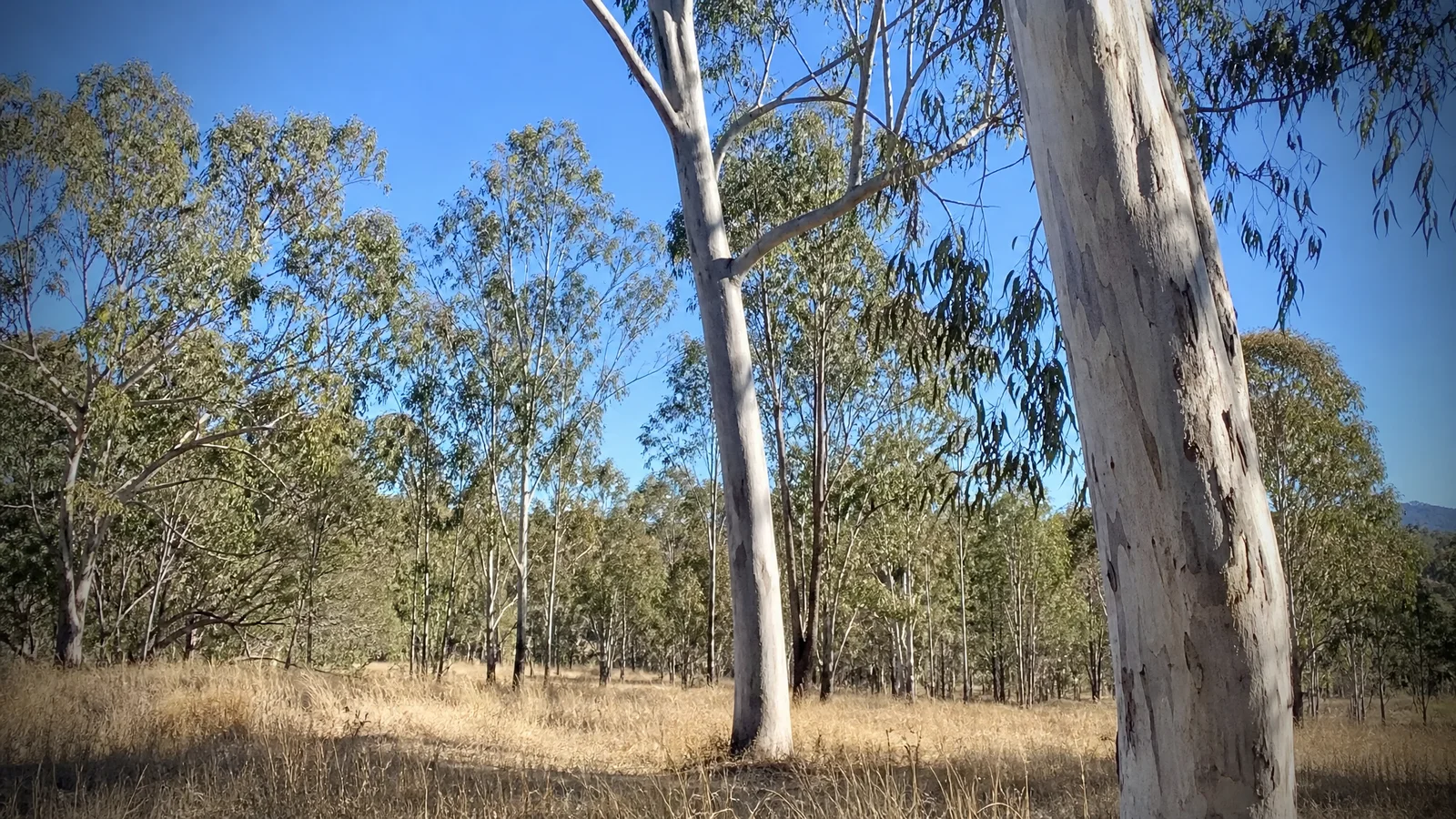
Few trees announce themselves as well as the lemon-scented gum. Walk under one and you see a tall, ghostly trunk, smooth and pale, flaking in thin curls; rub a fallen leaf between your fingers and the smell of lemon rises at once. This is the tree our oil comes from, and it has a more interesting story than most.

Lemon Eucalyptus Essential Oil
Our own Lemon Eucalyptus Essential Oil, in sizes from 0.5 oz to bulk.
From $9.99
Shop Now →A tree with two names
Botanists now call it Corymbia citriodora. Until the mid-1990s it was Eucalyptus citriodora, and PlantNET, the flora resource of the Royal Botanic Garden Sydney, credits K.D. Hill and L.A.S. Johnson with the move to Corymbia in 1995. The older name has not gone away, and you will still meet it on labels and in older papers. They are the same tree. The species name, citriodora, simply means lemon-scented, and the tree is also known as lemon-scented gum or spotted gum.
What it looks like
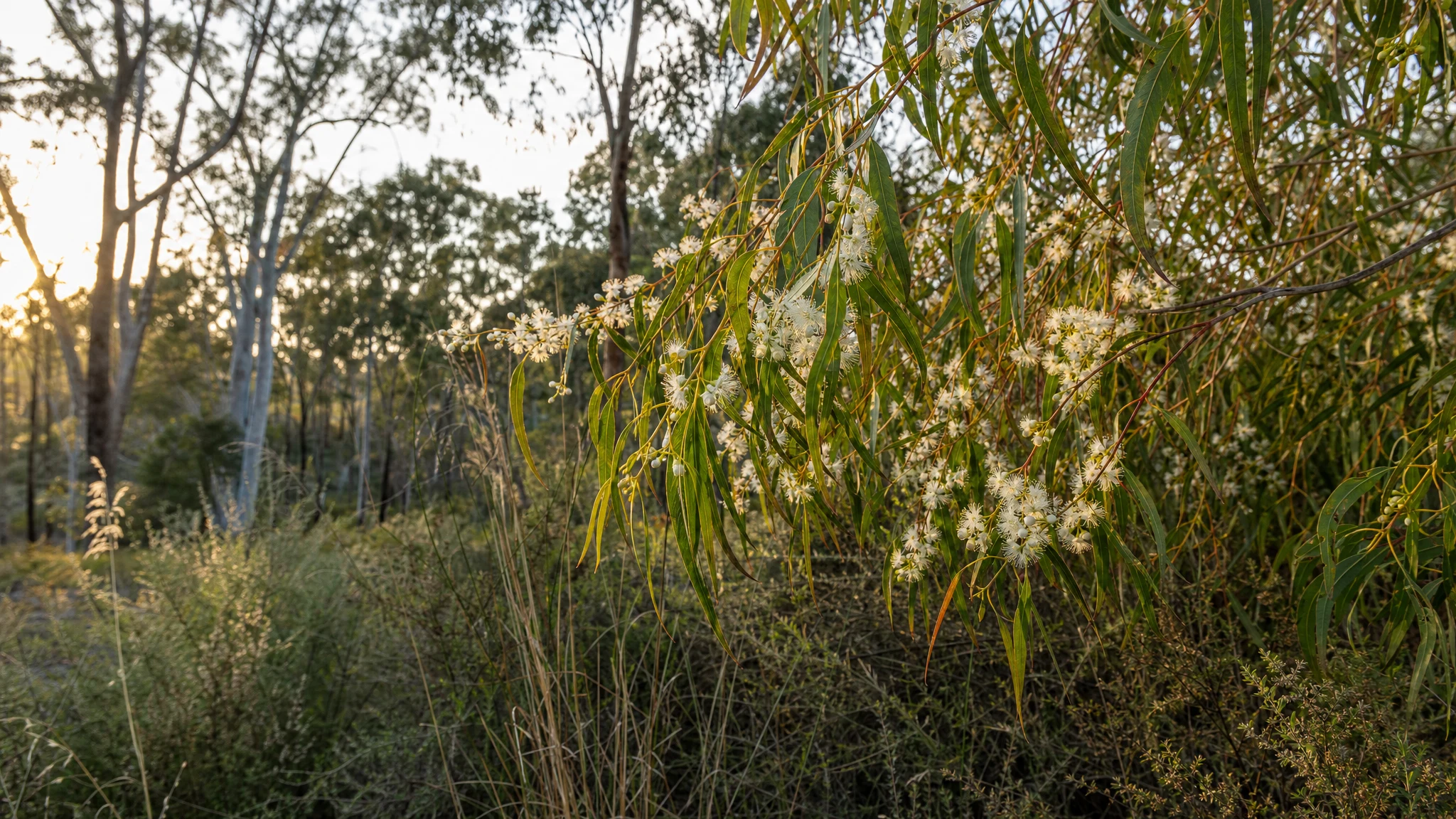
This is a big tree. The Australian National Botanic Gardens says it can top 40 m in the wild but usually reaches 20 to 30 m in cultivation. The bark is smooth, in whites, pinks and coppery tones, and sheds in thin curly flakes. Adult leaves are narrow and glossy green, and they are the part that carries the scent. PlantNET describes them as lemon-scented when crushed, and it is a gentle reminder that nature does not make every individual identical.
It is also a quick grower. The Botanic Gardens notes growth of up to 2 m a year, with a 20 m tree expected within about ten years, which is part of why it has been planted so widely.
Home ground and far-flung plantations
The species is native to Queensland, where it grows on dry ridges and plateaux in open forest and woodland, on lighter, stony soils. Beyond its home range it has settled into several other Australian states. The plant-resource handbook PROSEA lists commercial plantings in Brazil (around six million trees at the time of writing), southern China, India, Sri Lanka, Kenya, Fiji and much of southern Africa. That list comes from 1999, so read it as a map of where the tree has been grown rather than a production table, but it shows how far a Queensland native has travelled.
The reason is the leaf. According to PROSEA, fresh leaves hold roughly 0.5% to 5% oil, most often 1% to 3%, and growers coppice the trees (cut them back to regrow) to harvest leaves again and again. The same handbook estimates a coppiced plantation at around 150 kg of oil per hectare per year in theory.
Why no two stands smell quite alike
The citronellal that makes the lemon note varies widely between trees. PROSEA reports natural Australian stands ranging from about 1% to 91%, with the citronellal-rich types, the ones the oil trade wants, running 65% to 91%. So "lemon eucalyptus oil" is what you get from the right trees, harvested and distilled with care, and it will never be a single fixed recipe. If you enjoy the chemistry, we go through it in our citronellal explainer, and our quality guide covers what to look for in a seller's paperwork.
Gardeners sometimes plant one for shade and the scent, and it is easy to see why. On a warm day, a breeze through the canopy can carry a faint lemony note across the yard.
More than an oil tree
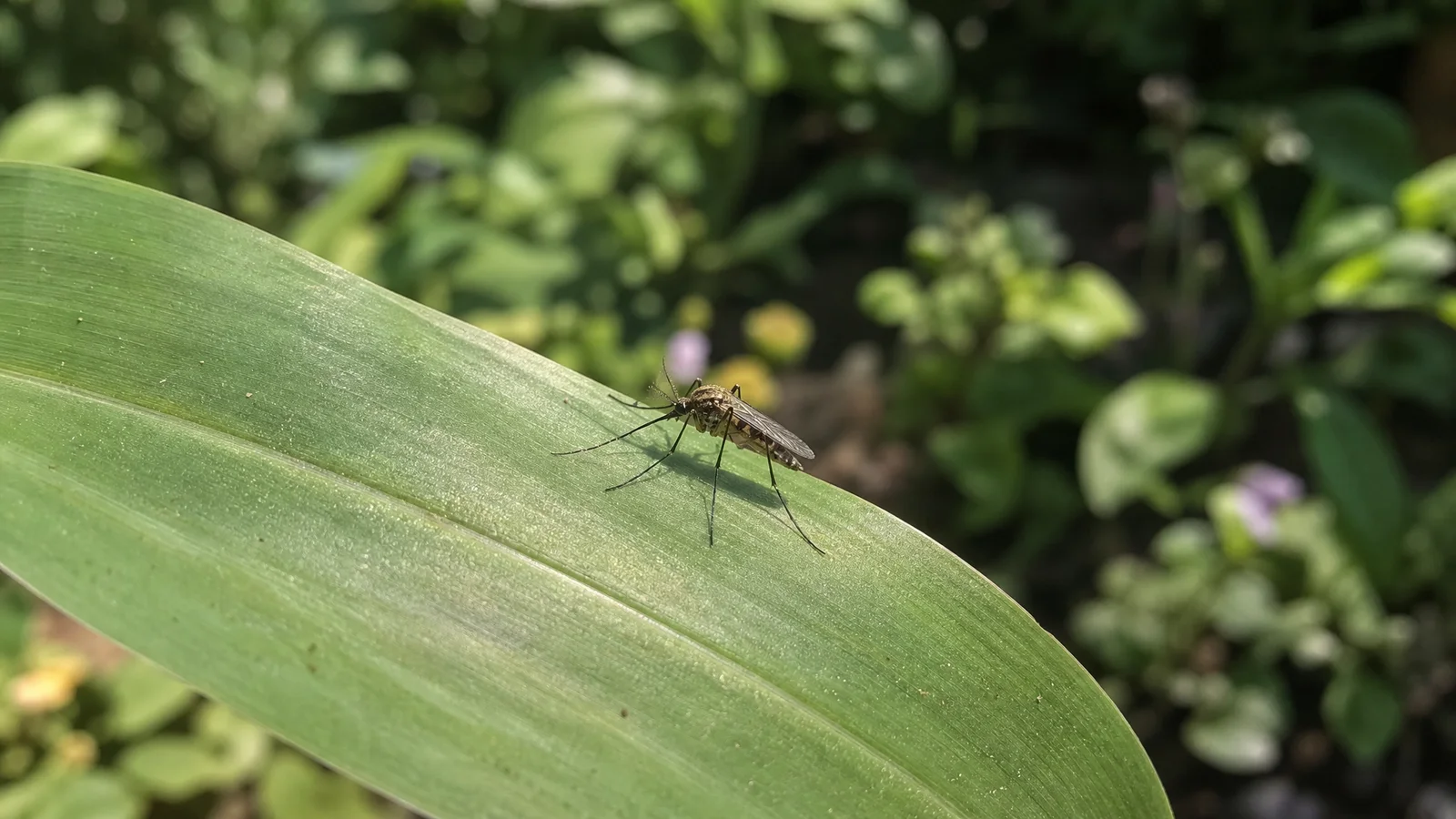
The Botanic Gardens points to the tree's straight-grained timber, used for beams, bridges, poles, flooring and tool handles, and to its flowers, which support honey production. PROSEA adds that citronellal-rich leaf oil is a source for other aroma chemicals, and that the oil goes into perfumes and soaps. One more by-product deserves a mention: PMD, the ingredient in registered insect repellents, was developed from the distillation of these leaves. That refined ingredient is a separate material from the essential oil we sell, a difference we explain in our comparison of OLE and the essential oil. We sell the steam-distilled leaf oil, and we do not present it as a registered repellent.
If you want to meet one yourself
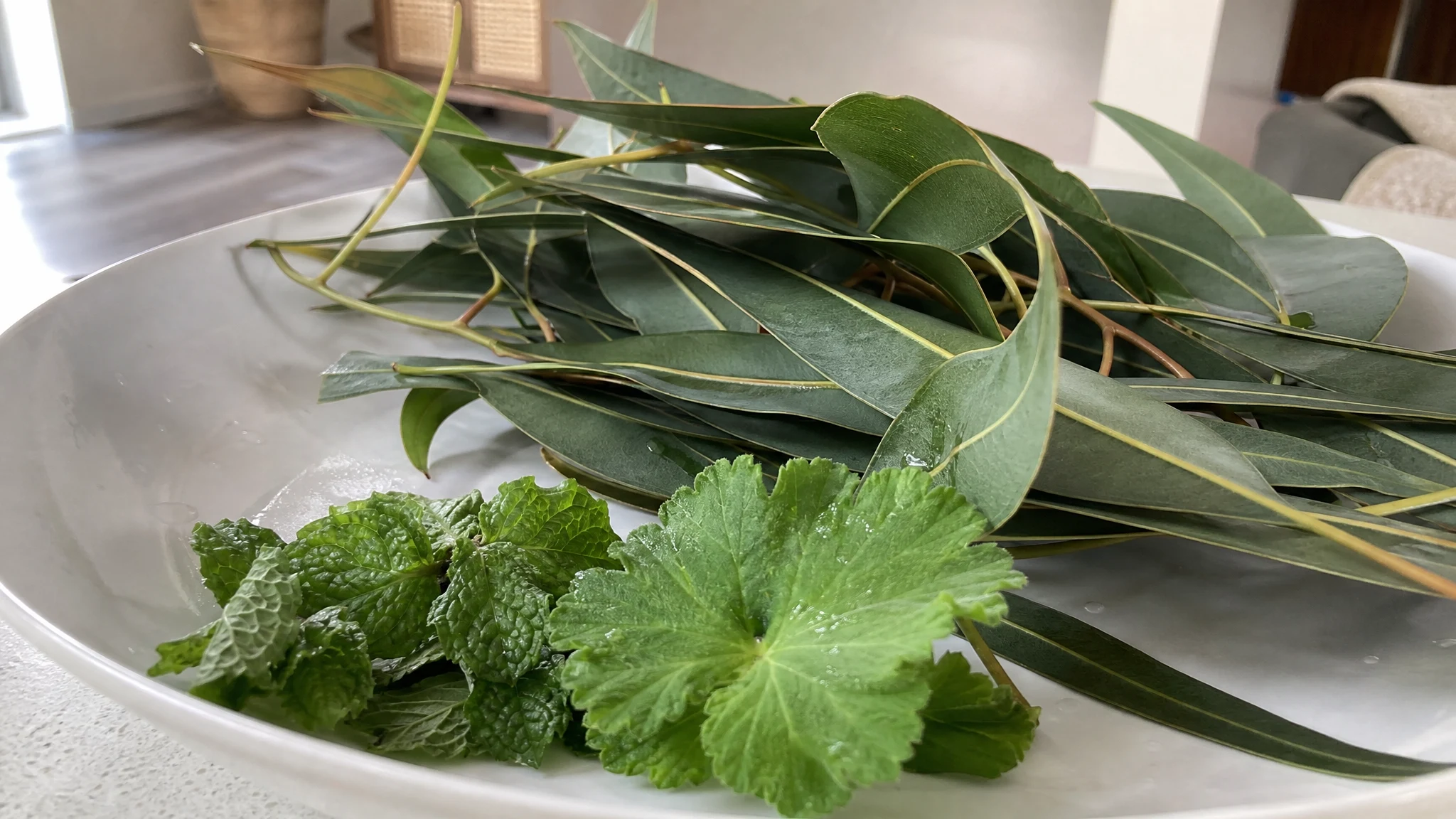
Lemon-scented gums are planted as street trees and in large gardens in many warm places, so you may have walked past one without knowing. Look for the tall, pale trunk and narrow hanging leaves. A leaf that has fallen to the ground is the best one to try, since it is already loose and you are not taking anything from the tree. Rub it between your palms and smell your hands: the lemon is usually easiest to catch on a warm day.
Check first whether the tree is on public or private land, and leave the branches alone. A fallen leaf is all you need.
From leaf to bottle
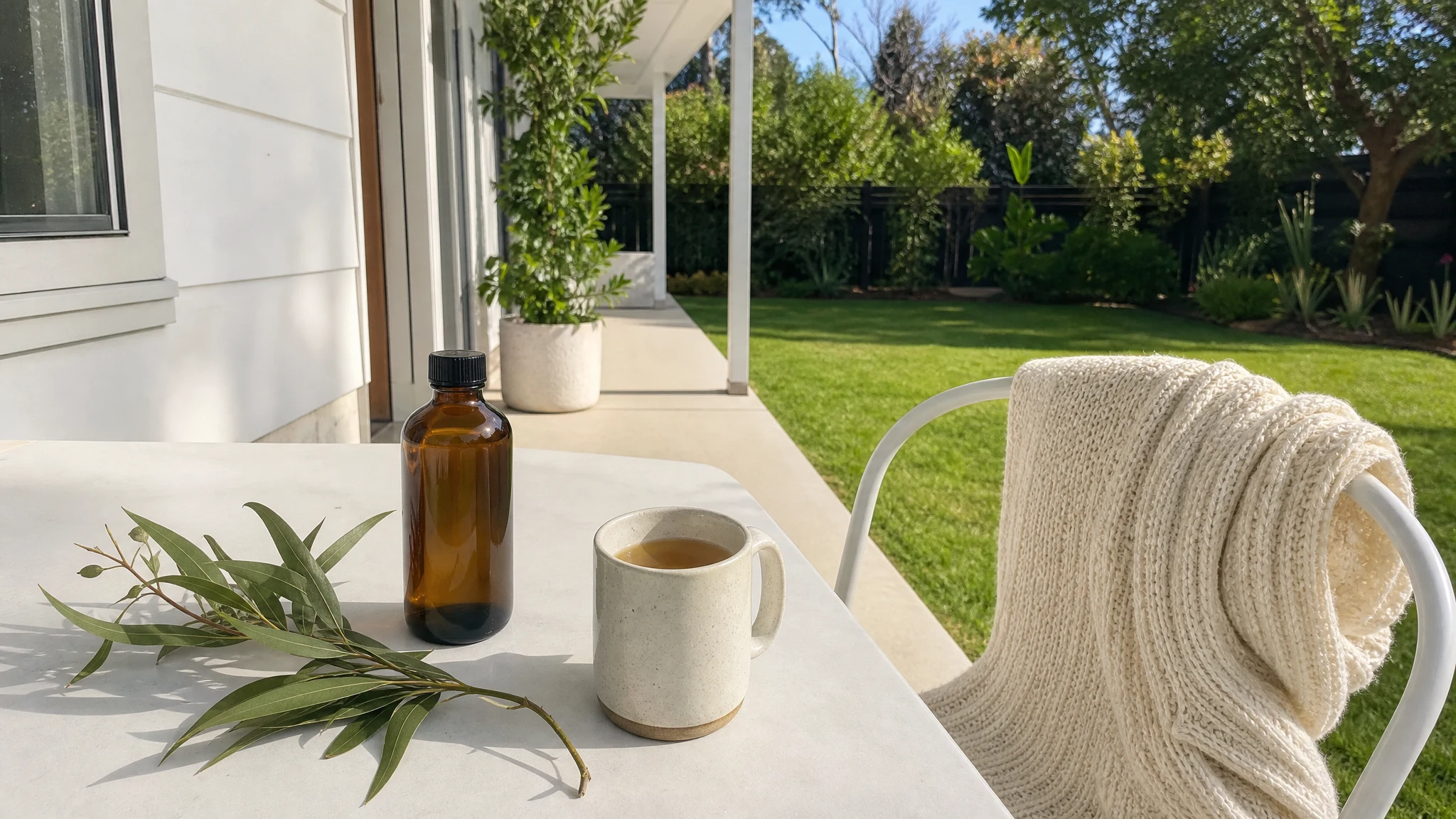
Steam is passed through the leaves, carries the aromatic molecules away, and condenses into oil and water that separate. What comes out reflects what went in, which is why the tree matters so much. The walk-through in how lemon eucalyptus oil is made covers the process, and our scent profile describes the result: bright, lemony, green and lightly camphorous. If you want to know how it differs from the familiar medicinal eucalyptus, the globulus comparison is the one to read.
Take a friend along and see whether they smell lemon, green or something else entirely. Everyone finds a slightly different word for it.
Next time you see a lemon-scented gum, pick up a leaf and give it a rub. It is the quickest way to understand why we love the oil.
Lemon Eucalyptus Essential Oil
Lemon Eucalyptus Essential Oil from our own shop, in sizes from 0.5 oz to bulk.
From $9.99
Shop Now →Sources & Further Reading
- PlantNET - FloraOnline: Corymbia citriodora (Royal Botanic Garden Sydney)
- Corymbia citriodora (Hook.) K.D. Hill & L.A.S. Johnson (PROSEA)
- Corymbia citriodora - Growing Native Plants (Australian National Botanic Gardens)
- PMD, a registered botanical mosquito repellent with deet-like efficacy (Carroll and Loye, J Am Mosq Control Assoc, 2006)