Lemon Eucalyptus While Pregnant or Nursing: What to Know
Search for "lemon eucalyptus pregnancy" and you are usually asking one of two questions. Can I use a registered bug repellent that contains oil of lemon eucalyptus? Or can I use lemon eucalyptus essential oil, the kind sold for scent? Health agencies have spoken clearly to the first and not to the second, and it helps to keep the two apart.

Lemon Eucalyptus Essential Oil
Our own Lemon Eucalyptus Essential Oil, in sizes from 0.5 oz to bulk.
From $9.99
Shop Now →The registered repellent question
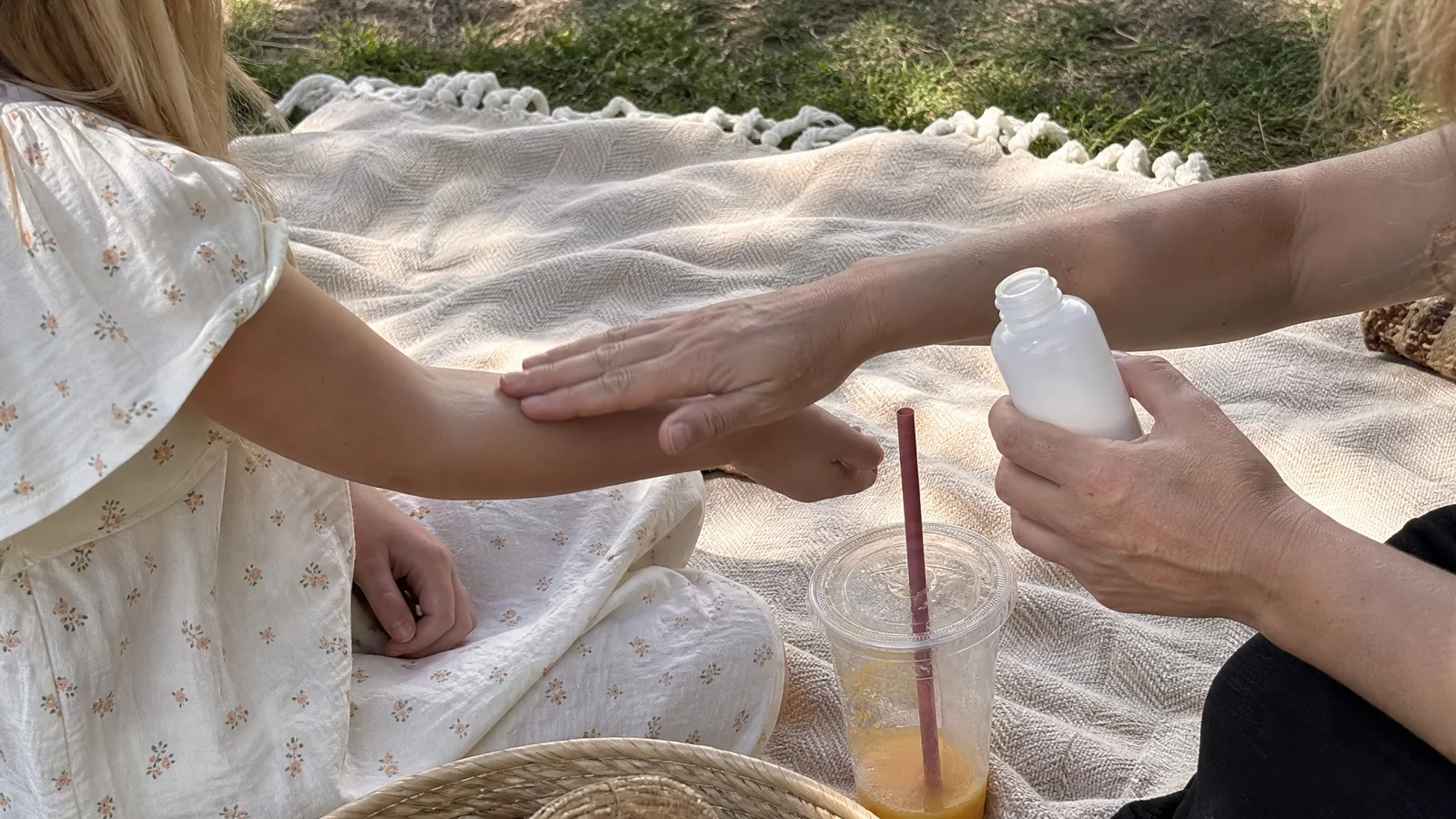
This one has real guidance behind it. CDC's mosquito page says that when used as directed, EPA-registered insect repellents are "proven safe and effective," even for pregnant and breastfeeding women, and its Yellow Book says EPA-registered products "are considered safe when used as directed, even for pregnant and breastfeeding women." For nursing mothers, CDC adds a practical note: keep the repellent away from the nipple area so the baby does not get any in the mouth while feeding.
OLE and PMD sit on CDC's list of registered active ingredients, next to DEET, picaridin, IR3535 and 2-undecanone. The same list tells you not to use OLE or PMD on children under 3, which is worth remembering if a baby will be touching your skin.
Where the evidence gets thinner
MotherToBaby, the pregnancy information service of the Organization of Teratology Information Specialists, is more measured, and the difference is useful. Its fact sheet says that less than 10% of the DEET applied to skin enters the bloodstream, and that most studies do not link DEET to a higher chance of birth defects. For the others it says: "Picaridin, PMD, IR3535, and 2-undecanone have not been studied in human pregnancy," adding that only low amounts are expected to be absorbed when the products are used as directed.
Those two views fit together. "Considered safe" reflects regulatory review of labeled use, and "not studied in human pregnancy" describes how much human data exists. DEET simply has the longer research record. If you are weighing DEET against an OLE or PMD product, the choice is yours to make with your OB-GYN or midwife, and our comparison of lemon eucalyptus and DEET sets out the other differences.
The essential oil question
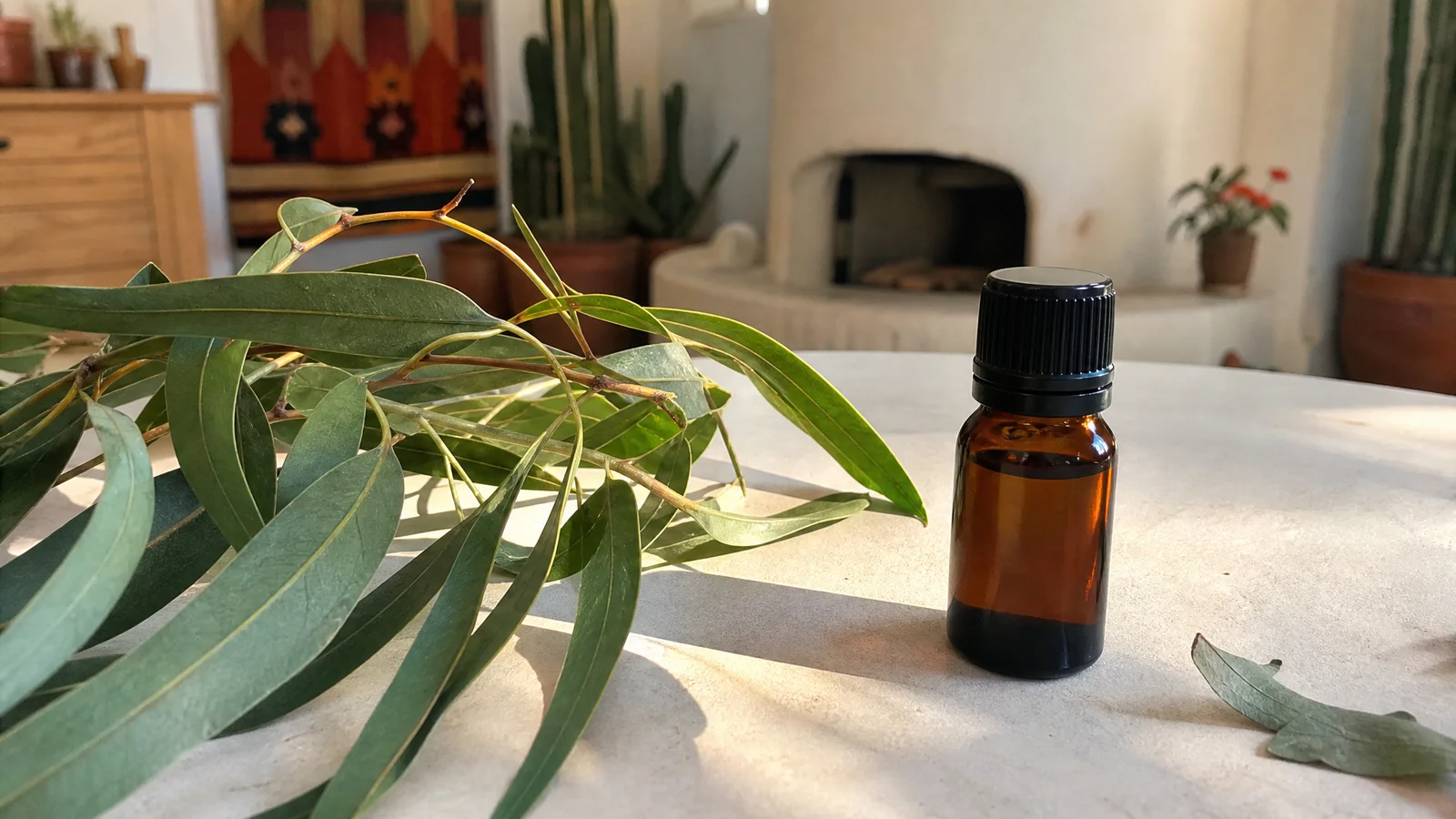
We sell lemon eucalyptus essential oil, steam distilled from the leaf, and it is an external cosmetic oil. It is not a registered repellent, and we make no claim that it keeps bugs away. CDC says as much about oils in general: "We do not know the effectiveness of non-EPA registered insect repellents, including some natural repellents." MotherToBaby adds that plant oils such as catnip, lemongrass and peppermint have not been studied in human pregnancy, and that repellents outside the EPA-registered list are not recommended where insects carry disease.
So we say nothing about pregnancy for our oil beyond what our disclaimer already asks of every reader: if you are pregnant or nursing, check with your physician before using it. Our usage guidance is the same as for anyone, which is to dilute it in a carrier oil, patch test first, and keep it away from eyes, children and pets. "Natural" is not a safety rating in either direction, and an oil that is rich in citronellal, as lemon eucalyptus is, is not one to be generous with. If you want it for a candle or a soap batch, your provider can tell you whether any scented product suits you right now.
Bring the actual labels
Write your questions down beforehand and bring the bottles or a photo of the labels with you. A provider can say far more about a specific product with the ingredient list in front of them than about a general category. If you have a craft project in mind, such as a candle or a soap batch, bring that too, along with the ingredient list from your supplier.
Questions worth bringing to your appointment
| Topic | What to ask |
|---|---|
| Which active | Would you prefer DEET, picaridin, OLE or PMD for me, and why? |
| Where you are going | Will I be in an area with mosquito-borne illness, and should I see a travel clinic first? |
| Skin | I have sensitive or eczema-prone skin. Should I patch test, or pick another format? |
| Nursing | Where on my body should I avoid applying repellent? |
| Scented products | Is there any reason to avoid candles, diffusers or soaps scented with essential oils at the moment? |
Keeping the bottle in its place
Whatever you decide with your provider, a few household habits are simple. Keep the bottle capped and stored on a shelf where you will not knock it over, wipe up drips right away, and wash your hands after handling it. If you would rather skip it for now, that is a perfectly good answer; the oil keeps well when it is capped and kept cool and dark, and it will be there when you are ready.
A few steady habits
The sources point to a short list. Choose an EPA-registered product with a registration number on the label and follow its directions, since that label is where the tested instructions live. Our guide to reading a repellent label walks through what to look for. Lean on the non-chemical layers too, like screens, long sleeves and avoiding standing water. The CDC page on avoiding bug bites suggests long-sleeved shirts and long pants and, where screens are missing, a mosquito net. For the broader safety picture on the oil itself, see is lemon eucalyptus safe, and for the product split, OLE vs lemon eucalyptus essential oil.
This page reports what public health sources say and is not medical advice. A pregnancy deserves a person who knows your history, and a pharmacist can check any label you have in hand.
Lemon Eucalyptus Essential Oil
Lemon Eucalyptus Essential Oil from our own shop, in sizes from 0.5 oz to bulk.
From $9.99
Shop Now →