How Long Does Lemon Eucalyptus Repellent Last?
Ask how long a lemon eucalyptus repellent lasts and you will hear everything from two hours to "up to six." Both numbers come from real documents, and they can both be right, because they describe different products, different bugs and different tests. The most useful thing we can do is show you how to read them.

Lemon Eucalyptus Essential Oil
Our own Lemon Eucalyptus Essential Oil, in sizes from 0.5 oz to bulk.
From $9.99
Shop Now →One very detailed test, read closely
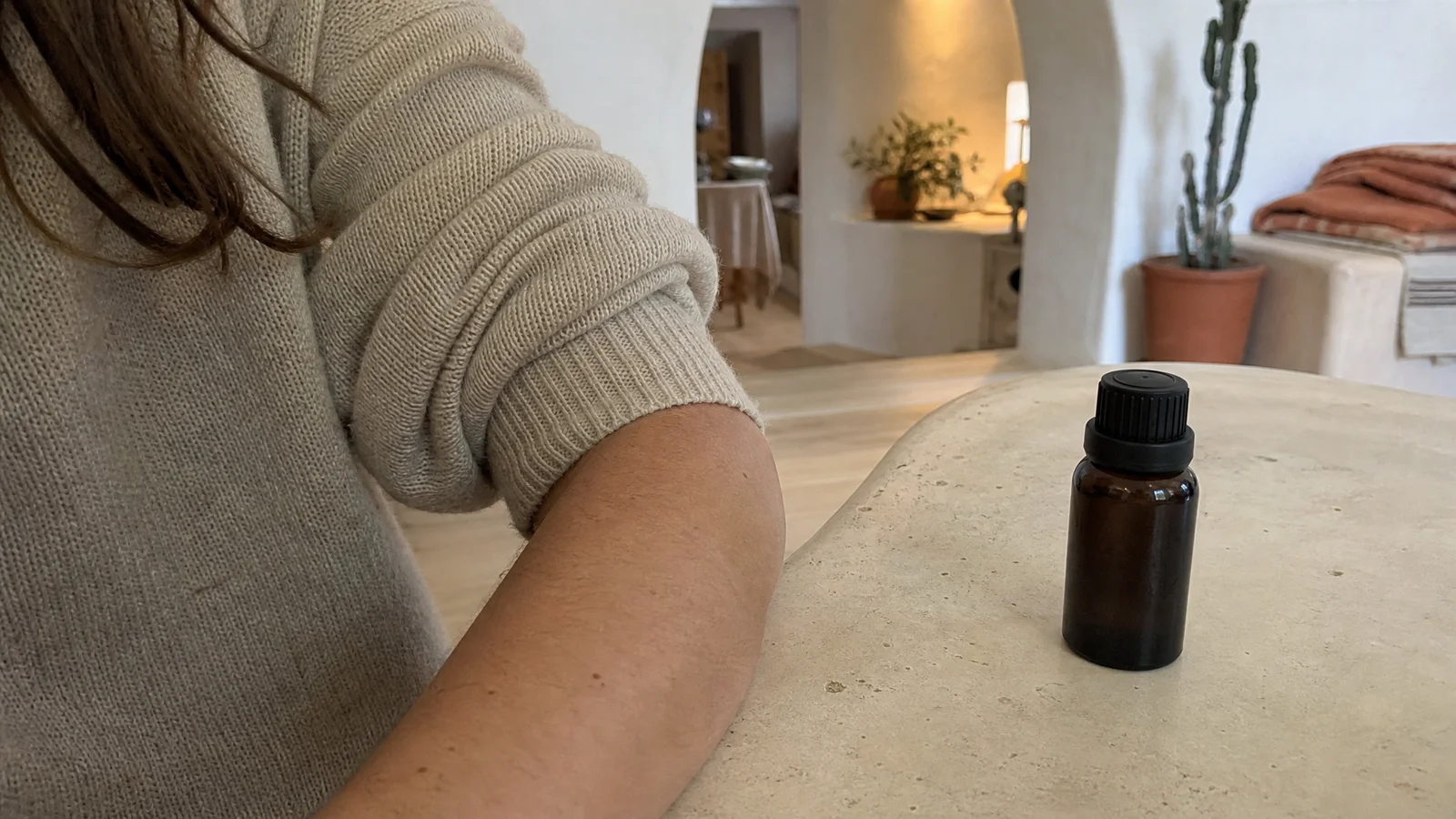
The most detailed document we found is an EPA science review, written in 2020, of one registered repellent: an alcohol-based pump spray with 30% oil of lemon eucalyptus (OLE). Twenty-five volunteers per tick species had the spray applied to a forearm, and a tick was placed on the skin every 15 minutes. Protection was considered over when a tick crossed the treated skin twice within 30 minutes. EPA concluded the data support protection for up to 4 hours.
The medians tell the story of how much species matters. The blacklegged tick, the one most people worry about, gave a median of 290 minutes. The brown dog tick gave 512 minutes. For the lone star tick, more than half of the volunteers were still protected when the testing day ended, so EPA could only say the median was above 600 minutes.
Look at the individuals and a second lesson appears. With blacklegged ticks, the first volunteer to lose protection did so at 15 minutes and the last at 466. A median is a middle, not a floor, and skin, movement and the amount applied all play a part. (Source: EPA's memo, Evaluation of One Topically Applied Insect Repellent Product Containing Oil of Lemon Eucalyptus Against Three Species of Ticks Under Laboratory Conditions.)
Why other numbers look so different
A university extension guide from Penn State lists OLE at 30% with an effective time of about 2 to 5 hours. The University of Wisconsin's mosquito site reports that 20% formulations of PMD, the active compound inside OLE, protected for 6 to 8 hours in lab and field studies. None of this conflicts. Different mosquitoes, different ticks, different volunteers and different methods give different answers, and EPA says as much on its own page: protection times vary because of differences in the testing conditions.
For scale, the best-known mosquito comparison, a 2002 study in the New England Journal of Medicine, found that a 23.8% DEET product gave a mean complete-protection time of 301.5 minutes. That is a reminder that the reference point most researchers use is a number measured in a single lab, not a promise.
The number that matters is on your bottle
EPA lets manufacturers print a repellency awareness graphic on skin-applied products, showing typical protection times for mosquitoes, ticks or both. EPA advises choosing a product with a protection time that fits your activity. That graphic, or the directions printed beside it, is the most dependable duration number you can get, because it belongs to that exact formula. A product without the graphic has simply not opted in, so read the directions.
Concentration also matters. CDC says higher concentrations of active ingredient give longer protection, and that products with less than 10% active ingredient might offer only limited protection, often 1 to 2 hours. We read that as a reason not to chase a gentle-sounding low percentage for a long afternoon. For a closer look at how the percentage is calculated, see our piece on what the 30% on a label means.
What shortens protection
CDC says duration is markedly affected by temperature, activity level and perspiration. Our reasoning from that: a quiet porch evening is the best case for any repellent, and a hot climb with a pack, sweat and a lake swim is the hardest. Water gets its own treatment in does bug spray wash off with sweat or swimming. Rubbing matters too. A pack strap or sleeve takes product with it, so those are the spots to refresh first.
Planning a day around the label
Here is how we would think about it, as simple arithmetic and not as a rule. If the label says a few hours and you will be out for two, one application per the directions is a sensible plan. If you will be out all day, use the label's reapply instructions, add clothing as a barrier, and keep in mind that products have a stated maximum number of applications. If bites would carry a health risk where you are headed, a travel-medicine clinic can tell you which product fits, and our travel guide explains why we send you there.
One habit is worth dropping: judging protection by how lemony you still smell. Scent fades on its own schedule and says nothing reliable about how long a repellent will keep working.
A simple trick: when you apply, glance at the clock and decide right then when you will reapply. Set a phone reminder if you tend to lose track of time outdoors. It is far easier than trying to guess at dusk whether it has been an hour or three, and it turns the label's time into something you will actually follow.
Where our oil fits
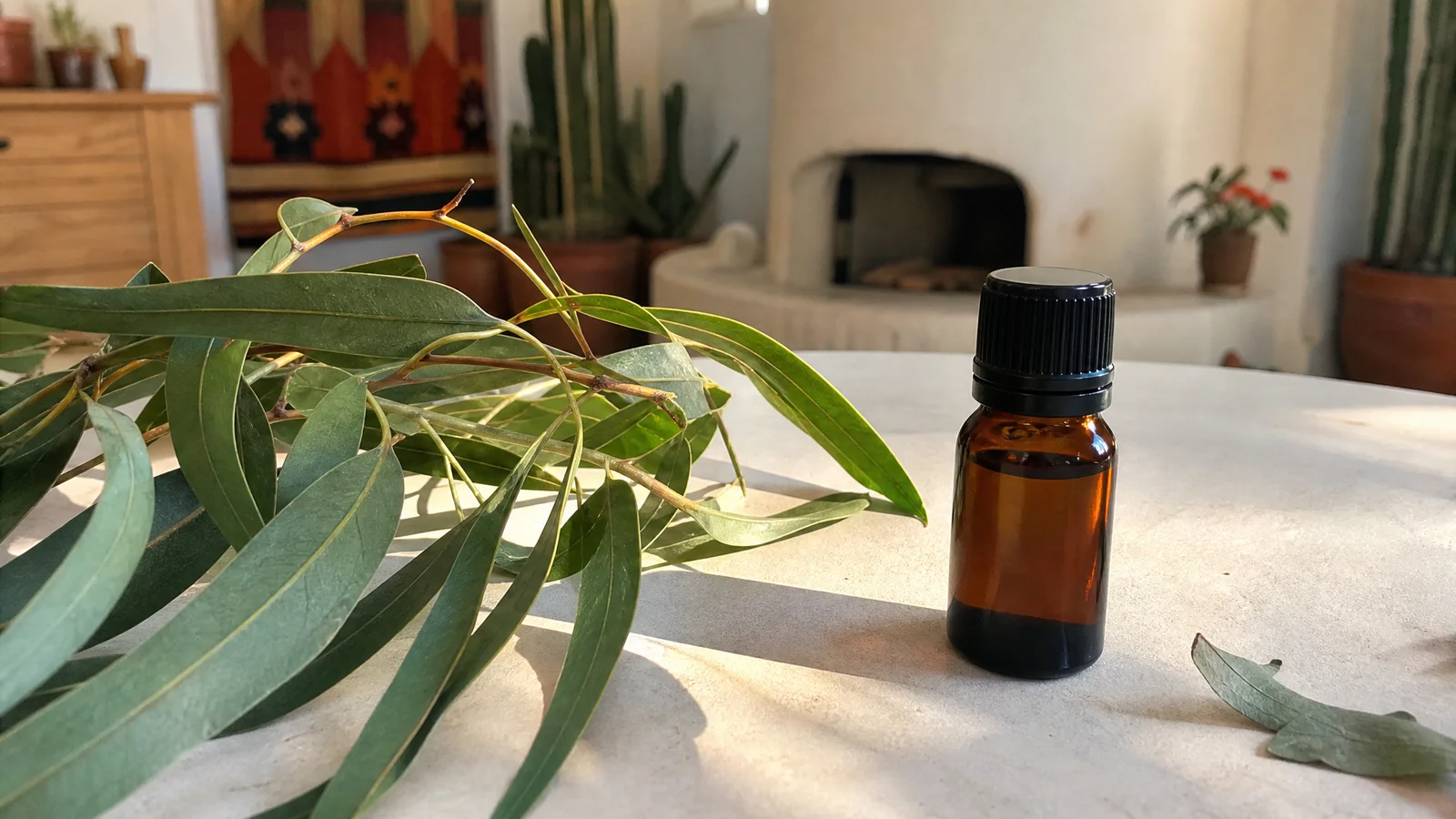
We sell lemon eucalyptus essential oil, the steam-distilled leaf oil of the lemon-scented gum, for scent and craft uses. It is a different material from the refined OLE in registered repellents and we do not offer it as a repellent, as our how-we-test page says. Penn State's repellent guide notes the same difference, remarking that the plain essential oil contains very little PMD. If a registered repellent is what you want, a pharmacy or outdoor shop will have one with its protection time right on the label.
So how long does a lemon eucalyptus repellent last? As long as the label on your bottle says it can, and not a minute more. When in doubt, trust that label and add a long sleeve.
Lemon Eucalyptus Essential Oil
Lemon Eucalyptus Essential Oil from our own shop, in sizes from 0.5 oz to bulk.
From $9.99
Shop Now →Sources & Further Reading
- Evaluation of One Topically Applied Insect Repellent Product Containing Oil of Lemon Eucalyptus Against Three Species of Ticks Under Laboratory Conditions (EPA memorandum, June 19, 2020)
- Repellency Awareness Graphic | US EPA
- Find the Repellent that is Right for You | US EPA
- Mosquitoes, Ticks, and Other Arthropods | CDC Yellow Book
- Tick and Mosquito Repellent Guide (Penn State Extension)
- Repellents for Application to Skin, Wisconsin Mosquitoes and Mosquito-Borne Diseases (UW-Madison)
- Comparative efficacy of insect repellents against mosquito bites (Fradin and Day, New England Journal of Medicine, 2002)