West Nile, EEE and Dengue: Latest US Case Numbers
West Nile virus is the leading cause of mosquito-borne disease in the contiguous United States, and in 2024 it caused 1,808 reported cases. That is a smaller number than most people expect, and it comes with a footnote that explains why: the true count is far higher. Here are the latest figures CDC publishes for West Nile, eastern equine encephalitis (EEE) and locally acquired dengue, with the year attached to each so you can judge how current they are.

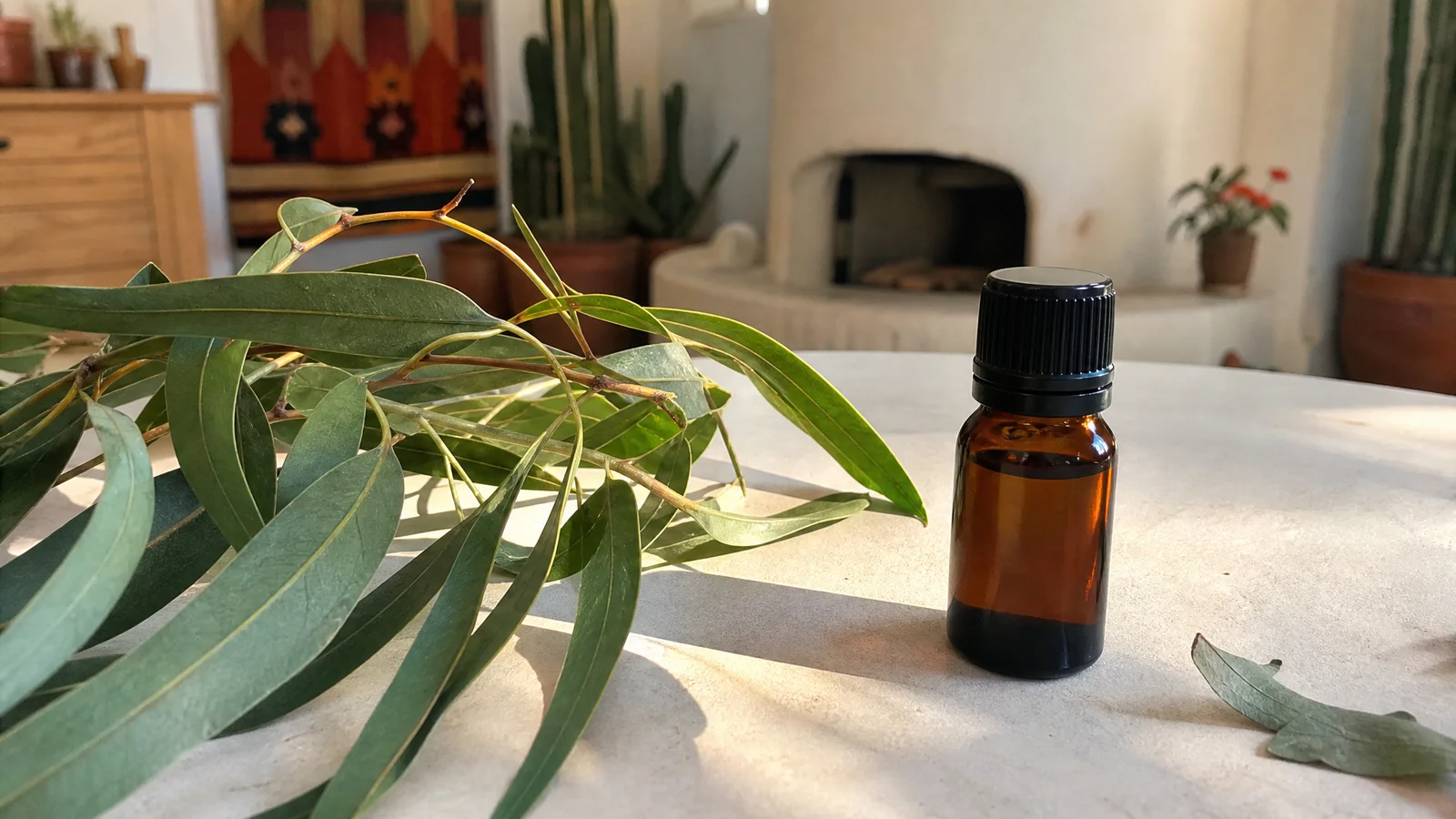
Lemon Eucalyptus Essential Oil
Our own Lemon Eucalyptus Essential Oil, in sizes from 0.5 oz to bulk.
From $9.99
Shop Now →The short version
| Disease | Latest full-year US figures (CDC) | Worth knowing |
|---|---|---|
| West Nile virus | 1,808 cases in 2024 (10-year median 2,162) | Most infected people have no symptoms; no licensed vaccine |
| Eastern equine encephalitis | 19 cases in 2024 | About 30% of people with severe illness die |
| Locally acquired dengue | 2024: Florida 91, California 18, Texas 1 | Most US dengue is travel-associated |
Counts come from reported cases, so treat them as minimums.
Turning the numbers into a routine
Numbers like these can feel remote, but what they point to is nearby and mundane: standing water, torn screens and the hour you decide to sit outside. A weekly walk around your yard to tip out buckets, saucers and anything else that holds water is a better use of ten minutes than reading another headline.
Check the window screens, keep a registered repellent by the door, and if your county or health department sends mosquito alerts, sign up. Quiet habits like that matter more than any single year's count.
West Nile virus
CDC says West Nile spreads mainly through the bite of an infected mosquito, which picks it up by feeding on infected birds. It can also spread through blood transfusion and organ transplantation, and rarely from mother to baby. Symptoms usually start 2 to 6 days after the bite. There is no licensed vaccine and no medicine to treat it. The proportions are reassuring for most people: about 80% of those infected have no symptoms, about 20% get a flu-like illness, and less than 1% develop severe illness. CDC says to get immediate medical attention for high fever, neck stiffness, muscle weakness, confusion or tremors.
The 2024 national report counted 1,808 West Nile cases, 92% of the 1,955 arboviral disease cases reported, below the 10-year median of 2,162. Texas, California and New York led neuroinvasive cases with 363, 103 and 69. The case-fatality rate among neuroinvasive cases was 13%, and 84% of West Nile cases began in July through September. The report also estimates that 40,410 to 94,290 non-neuroinvasive cases likely occurred nationally, while only 461 were reported, a vivid reminder that case counts are floors and not totals.
Eastern equine encephalitis
EEE is rare and serious. CDC says it passes to people mainly through mosquito bites, that most US cases occur in eastern or Gulf Coast states, and that it is reported in areas with freshwater hardwood swamps. About 30% of people who develop severe disease die, and many survivors have ongoing neurologic problems. No vaccines or medicines are available for people. The 2024 report counted 19 cases. In the same report, Powassan virus, which ticks carry, hit a record 60 cases.
Locally acquired dengue
Dengue is mostly a travel disease in the continental US, though CDC says local transmission has occurred in Florida, Texas, Hawaii, Arizona and California. The mosquitoes that spread it, Aedes aegypti and Aedes albopictus, live across much of the southern US. CDC's March 2025 health advisory reported 2024 local cases in Florida (91), California (18) and Texas (1), and a record 3,483 travel-associated cases, an 84% increase over the previous year. Preliminary counts can be revised later, so check CDC's dengue data page if you need a final number. If you are packing for a trip, our piece on travel and mosquito protection covers that side of it.
Check the year before you share a number
These figures change, and preliminary counts get revised. When you pass one along, write the year next to it and link to the CDC page it came from. A number without a date can mislead, even when it was right the day it was published.
We would rather you leave this page with CDC's figures and a sensible routine than with a guess. If the topic worries you, a local health department or your physician is the place to take it.
What CDC says to do
The advice across all three is the same: prevent mosquito bites. Use an EPA-registered repellent and wear long sleeves and long pants; CDC's travel guidance adds lodging with screens or air conditioning. CDC also says that it does not know the effectiveness of non-EPA-registered repellents, including some natural ones. We sell lemon eucalyptus essential oil, an aromatic oil that is not a registered repellent, and we make no protective claim for it. Our overview of whether lemon eucalyptus repels mosquitoes explains where the line falls, and mosquito and tick season by region helps with timing. If you live near wooded swampland, your local health department can tell you what is circulating nearby.
This page summarizes public health reports and is not medical advice. For a high fever, stiff neck, confusion or weakness, seek care promptly.
Lemon Eucalyptus Essential Oil
Lemon Eucalyptus Essential Oil from our own shop, in sizes from 0.5 oz to bulk.
From $9.99
Shop Now →Sources & Further Reading
- West Nile Virus and Other Nationally Notifiable Arboviral Diseases - United States, 2024 (MMWR 75(29), July 30, 2026)
- About West Nile | West Nile Virus | CDC
- Symptoms of West Nile | West Nile Virus | CDC
- About Eastern Equine Encephalitis Virus | Eastern Equine Encephalitis Virus | CDC
- Public Health Considerations for Dengue | Dengue | CDC
- Ongoing Risk of Dengue Virus Infections and Updated Testing Recommendations in the United States | HAN | CDC
- Preventing Mosquito Bites | Mosquitoes | CDC