What Is Oil of Lemon Eucalyptus (OLE)?
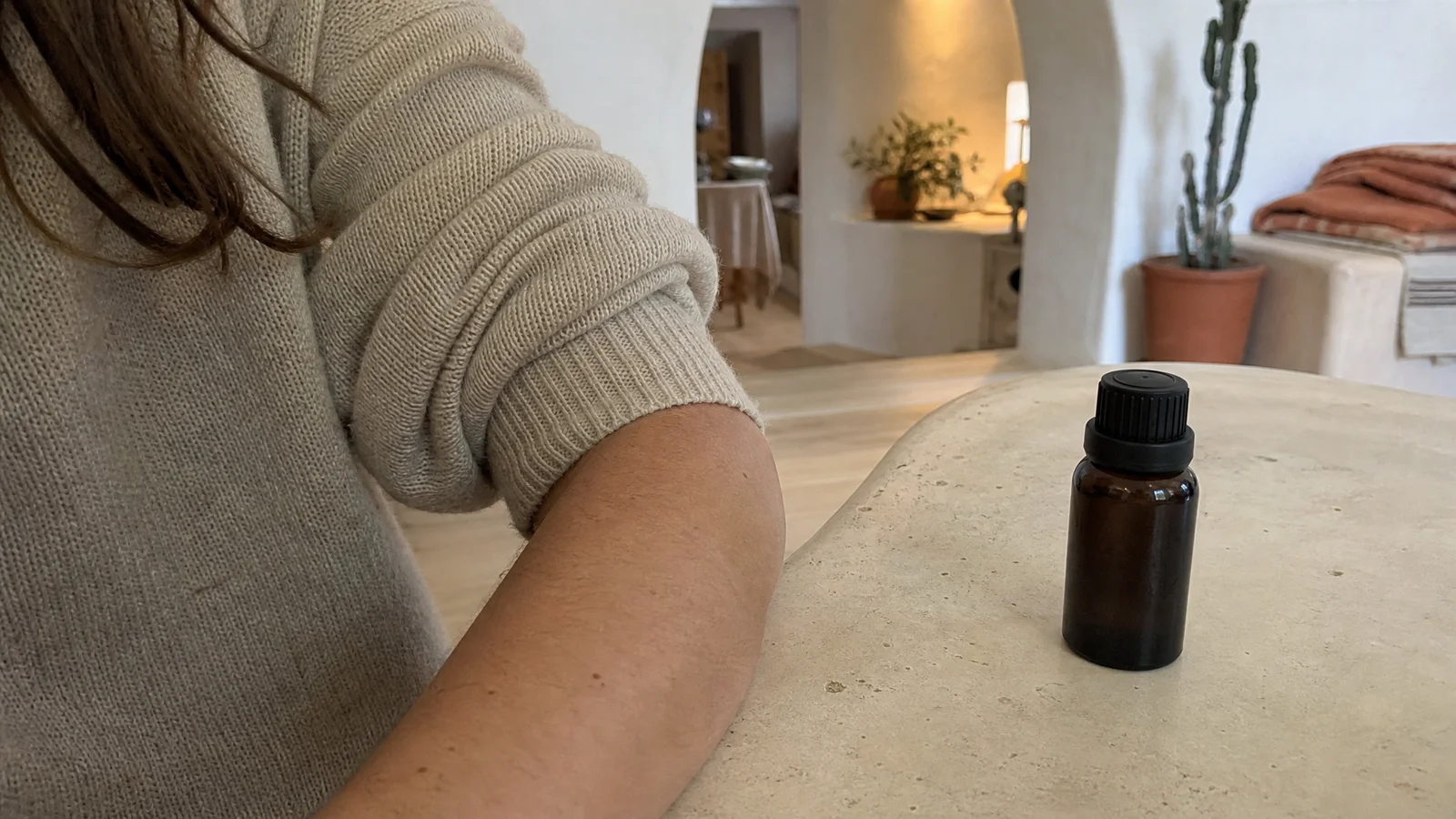
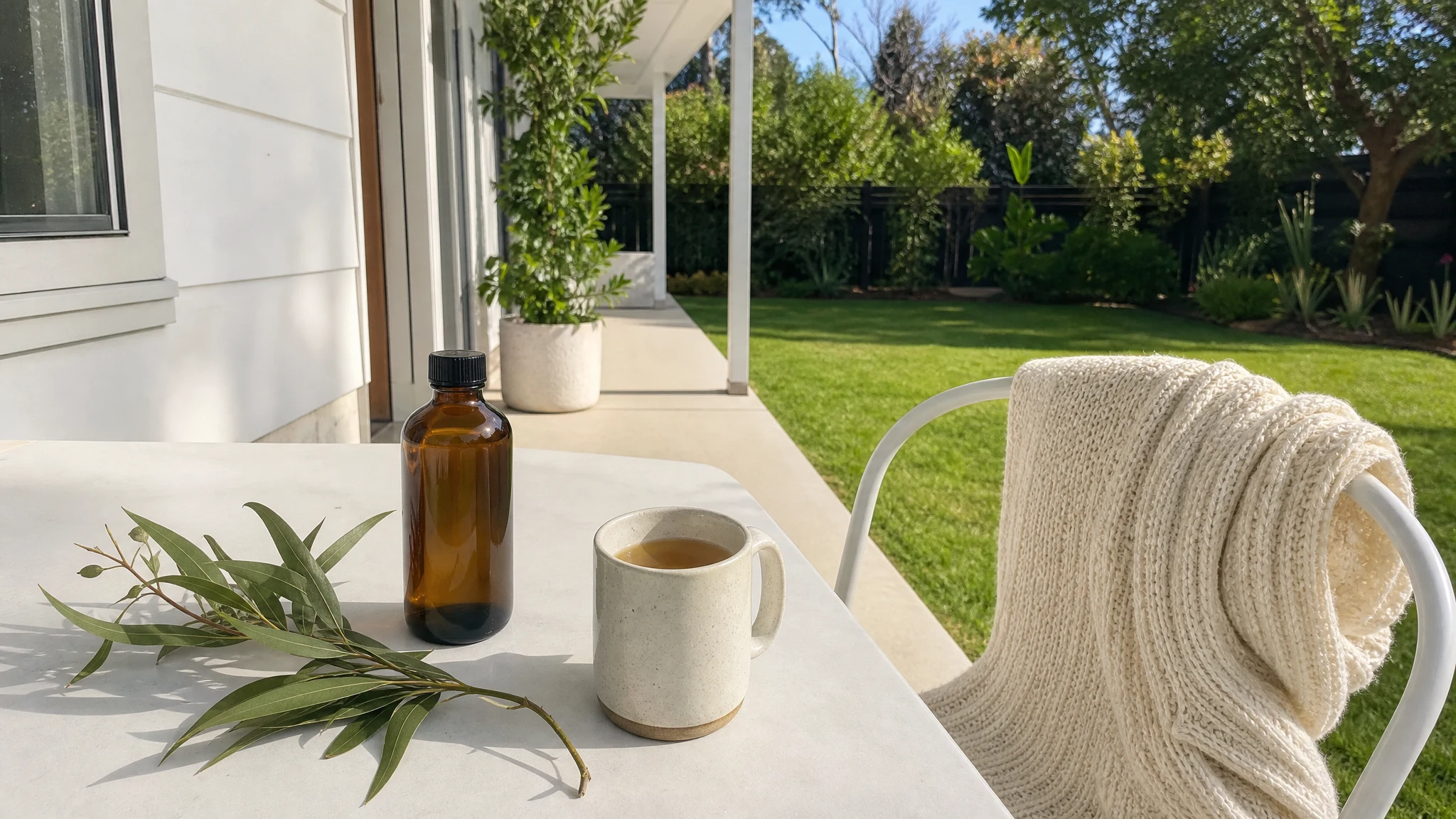
It is the most common mix-up in this whole corner of the oil world. Oil of lemon eucalyptus, usually shortened to OLE, appears on repellent labels, while lemon eucalyptus essential oil is what we sell in a bottle. Same tree, very different jobs, and knowing which is which saves you from buying the wrong thing.

Lemon Eucalyptus Essential Oil
Our own Lemon Eucalyptus Essential Oil, in sizes from 0.5 oz to bulk.
From $9.99
Shop Now →If you take away only one thing, let it be this: the name on the front of a bottle is a clue, and the label on the back is the answer.
Two materials, one tree
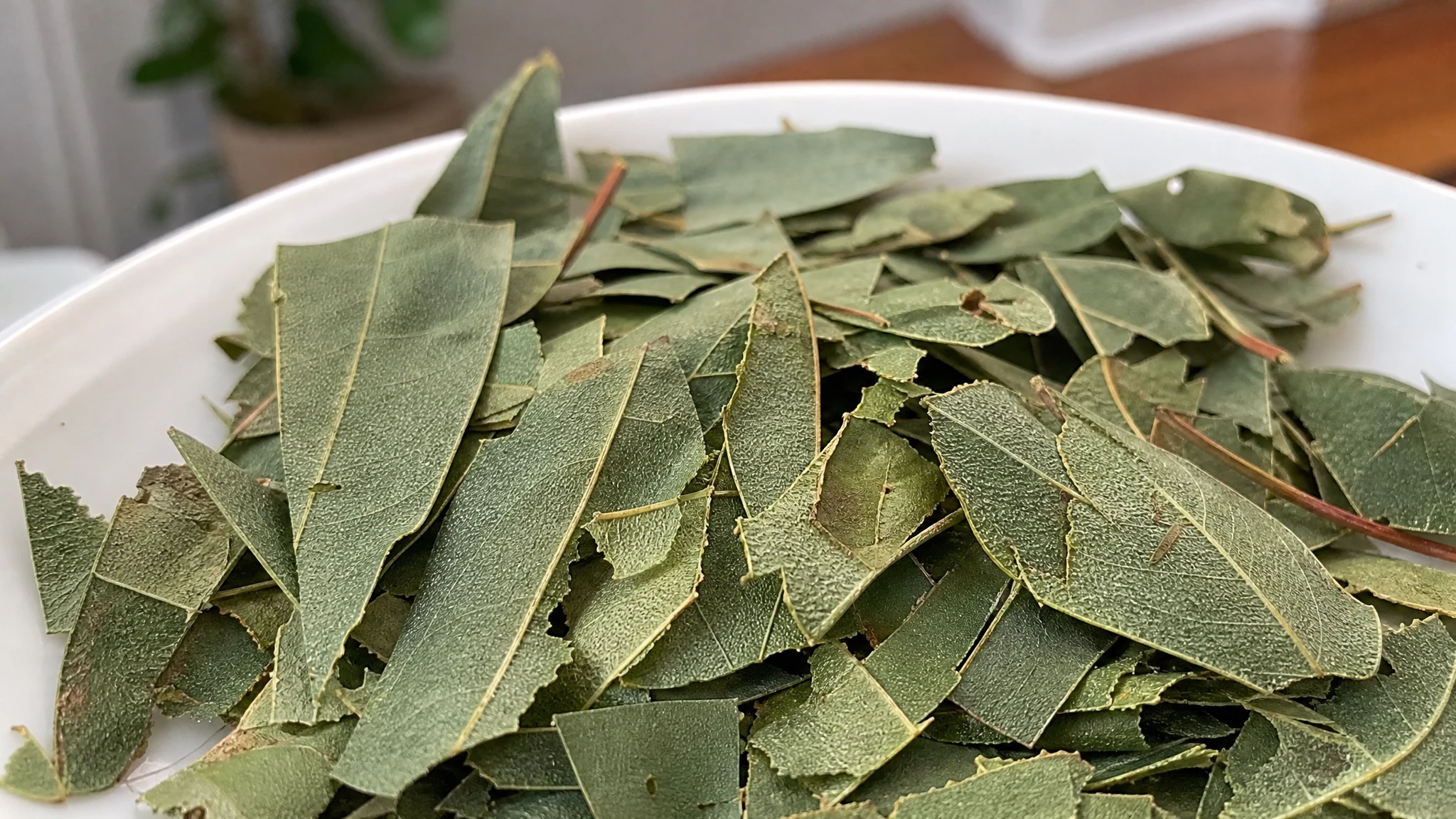
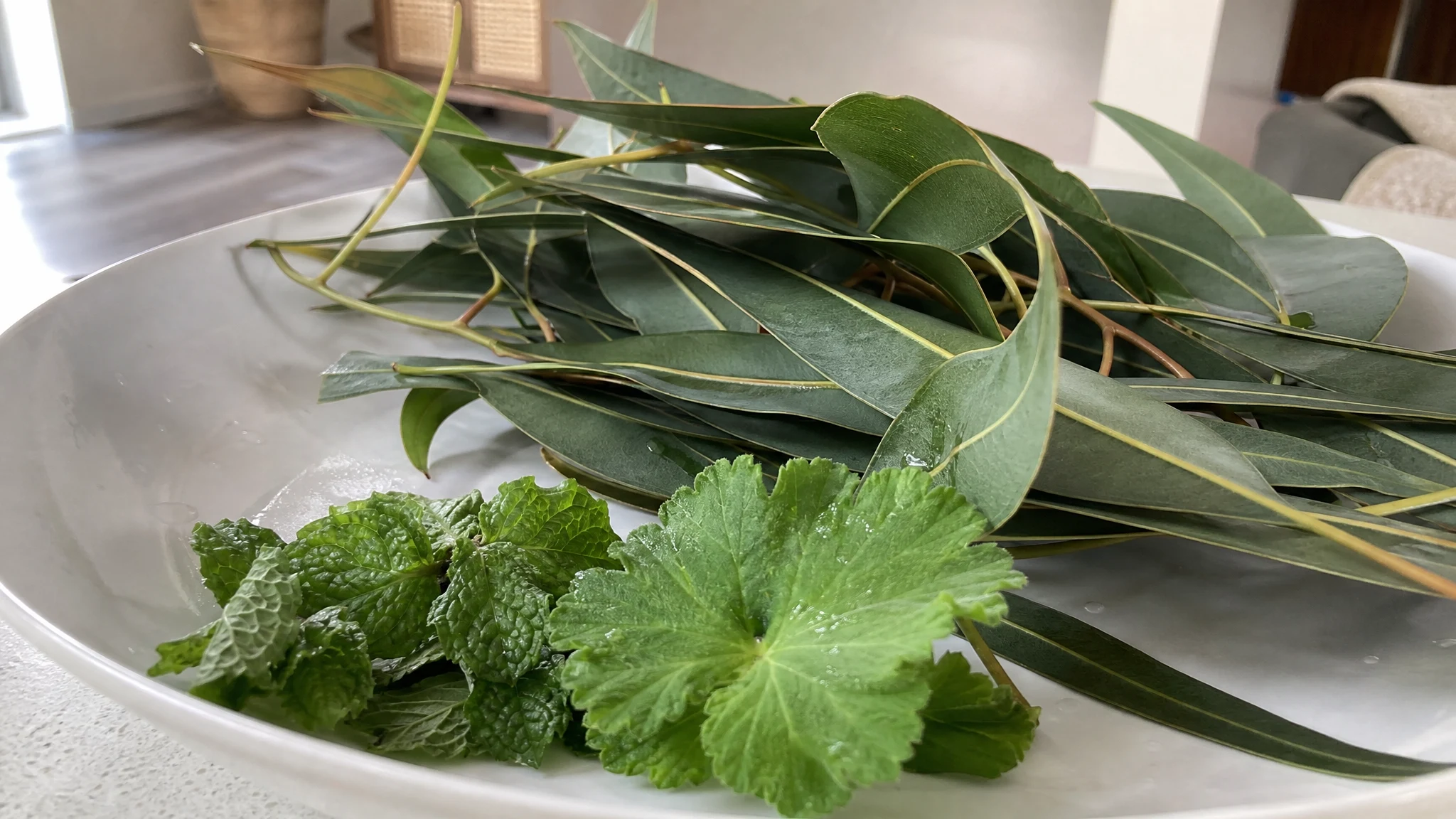
Lemon eucalyptus essential oil is steam distilled from the leaves of Corymbia citriodora, and its main component is citronellal. OLE is a processed, refined extract used as an active ingredient in repellents. The CDC's Yellow Book describes PMD as the synthesized version of OLE, and the review by Maia and Moore reports the essential oil at roughly 85% citronellal. EPA lists OLE and PMD as separate active ingredients and says OLE "contains pmd, but is a separately regulated pesticide chemical". The chemistry connecting them is the subject of our PMD explainer.
What the CDC actually says
The CDC lists oil of lemon eucalyptus among the active ingredients in EPA-registered repellents. At the same time, it says it does not recommend using an unformulated lemon eucalyptus essential oil as a repellent. The distinction is registration: a registered product has been through evaluation, carries an EPA number and has label directions and age statements. A bottle of essential oil, however lovely, has none of that.
We agree with the CDC, and we have said so on our how-we-test page: we sell the essential oil, and we are not going to blur that line to make a sale. We make no repellent claim for it and give no dilution advice for that purpose. If you want a repellent, buy a registered one from a pharmacy or outdoor shop. Our myths article picks up the same theme.
What to look for on a repellent label
These checks work for any registered product, and take about thirty seconds:
- An EPA registration number. If it is missing, it is not a registered repellent, whatever the front says.
- The active-ingredient line. It should say oil of lemon eucalyptus or PMD, with a percentage. The two are listed separately, so check which one the percentage belongs to.
- The pests named. Mosquitoes, ticks or both. See which bugs these products cover.
- The age statement. The CDC says parents should generally avoid OLE and PMD products on children under 3, with an exception for products whose only active ingredient is OLE at 30% or less, and always to read the label first. Ask a pediatrician if in doubt.
- The directions. Apply to exposed skin and clothing as directed, and follow the label's reapplication limits. Our application guide goes step by step.
Why the names trip people up
Part of the confusion is simply that the two names are so close. "Oil of lemon eucalyptus" and "lemon eucalyptus oil" use the same words in a slightly different order, and retailers, bloggers and shoppers use them interchangeably. When you read something online, ask yourself whether it describes a finished product with a label or a bottle of aromatic oil. That one question clears up most of the muddle.
We make a point of explaining this on our own site, because we would rather you buy the right thing from the right place than the wrong thing from us.
Why the shelf is small
EPA's skin-applied ingredients page lists six registered OLE products and six PMD products when we read it, against far more for DEET. That makes life easier: fewer options to compare, and label reading goes fast. How OLE sits beside the others is the subject of our ingredients comparison.
It is also worth keeping a registered product where you can find it, not shoved at the back of a drawer. A repellent you cannot find is no help on a warm evening.
How well do these products work?
Well enough to sit on the CDC's list. A 2006 review by Carroll and Loye found PMD performed with DEET-like efficacy and that the CDC's endorsement was warranted. Results still vary by product, pest and person, and where a bite carries real health risk, a travel-medicine clinic is the right place to choose an ingredient, not a shop and not an article.
A quick scene at the pharmacy
Imagine standing at the repellent shelf with a small child in the cart. You pick up a lemon eucalyptus spray, turn it over, and find the age statement and the registration number in a few seconds. That is the experience the label system is designed to give you. A bottle of essential oil on a craft shelf is made for a different purpose and will not have those details, and that is fine as long as you know which one you are holding.
Where our oil belongs
Our oil belongs where its scent shines: diffusers, candles, soaps, wax melts, room and linen sprays, and perfumery. It is a bright, lemony, green top note, and it is wonderful at that. If a recipe calls for it, our dilution guide shows how to work with it safely, and if you are curious how the tree produces both materials, the tree article tells the story.
If you spot a product labelled "lemon eucalyptus" and are not sure which kind it is, the registration number answers the question every time. If anyone swallows a repellent or gets it in their eyes, call Poison Help at 1-800-222-1222.
Lemon Eucalyptus Essential Oil
Lemon Eucalyptus Essential Oil from our own shop, in sizes from 0.5 oz to bulk.
From $9.99
Shop Now →Sources & Further Reading
- Mosquitoes, Ticks, and Other Arthropods (CDC Yellow Book)
- Skin-Applied Repellent Ingredients (US EPA)
- Plant-based insect repellents: a review of their efficacy, development and testing (Maia and Moore, Malaria Journal, 2011)
- PMD, a registered botanical mosquito repellent with deet-like efficacy (J Am Mosq Control Assoc, 2006)