Summer Lemon Eucalyptus Scent: Porch, Picnic, Camp
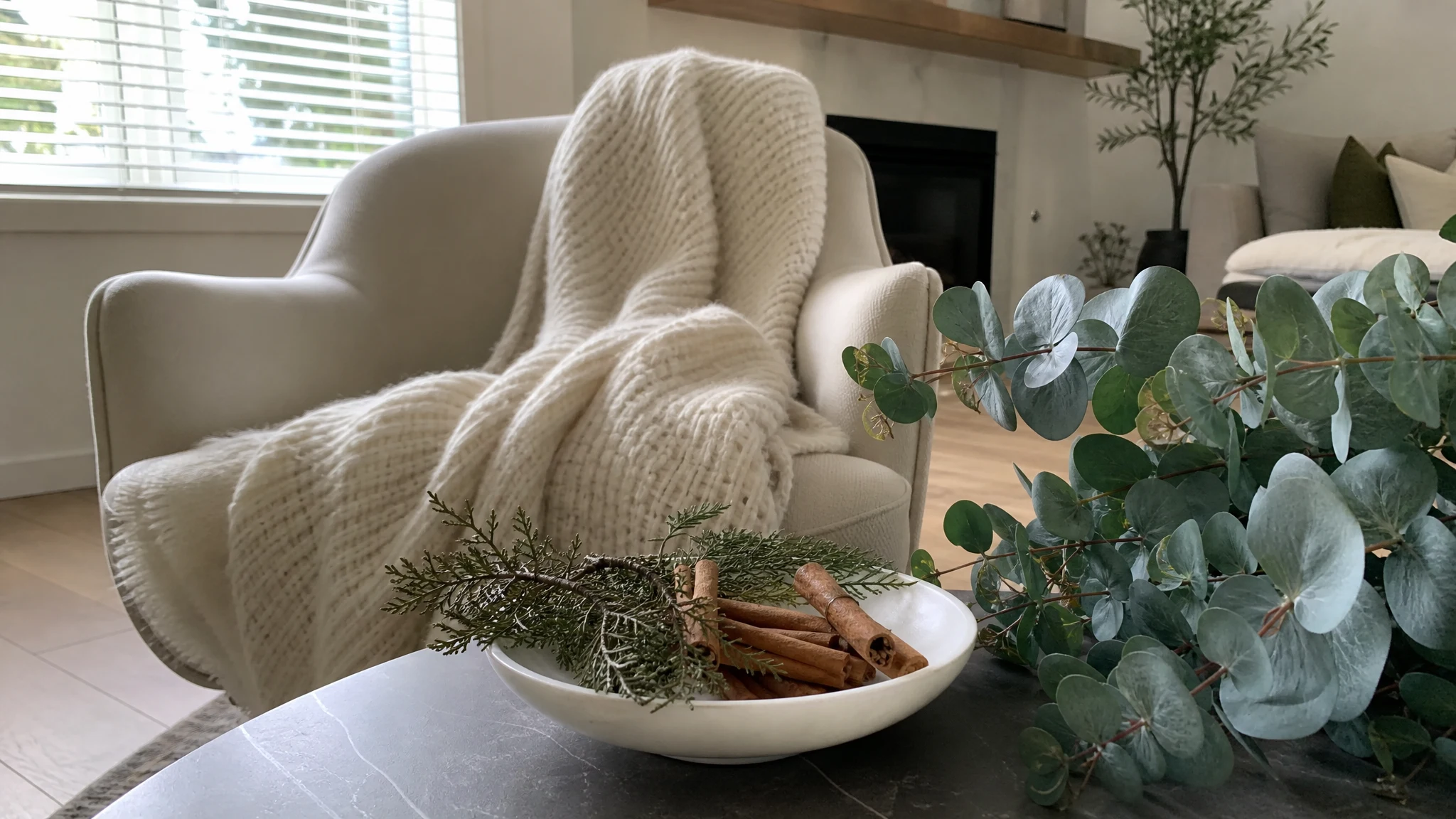
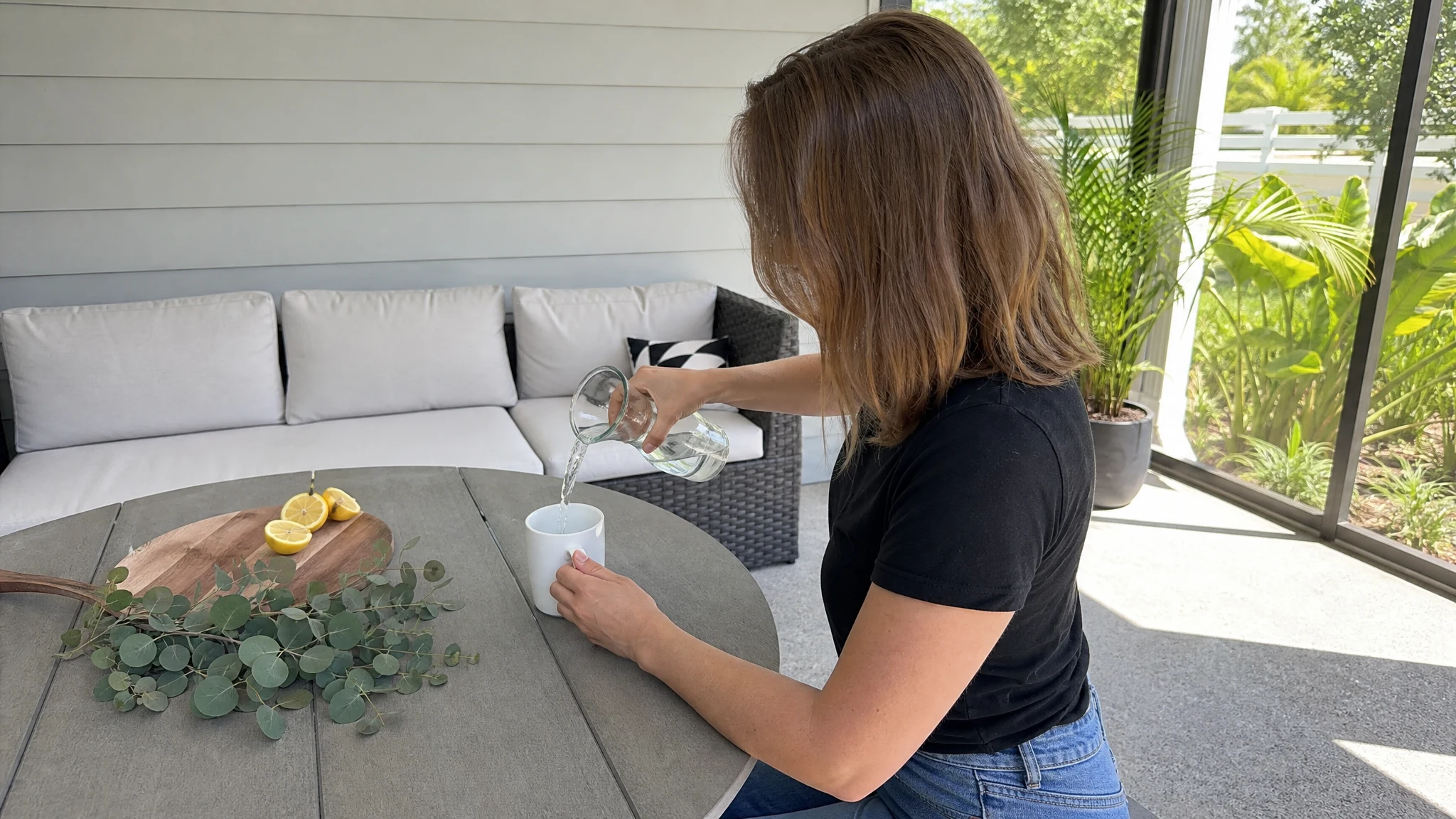
Picture a screened porch at six in the evening: cushions out, a pitcher sweating on the table, and a bright, green lemon scent drifting past as you sit down. That is lemon eucalyptus doing what it does best, which is a quick, sunny lift. It also leaves quickly, and planning around that single fact makes every outdoor setting easier.

Lemon Eucalyptus Essential Oil
Our own Lemon Eucalyptus Essential Oil, in sizes from 0.5 oz to bulk.
From $9.99
Shop Now →A top note in a breeze
We sell lemon eucalyptus as a top note, and the perfume world describes top notes as small, light molecules that evaporate fast, with citrus, mint and lavender as the classic examples. Outdoors, moving air speeds that along. In practice the scent is noticeable near the source and thins out a few steps away, so think of it as a touch of atmosphere at a table, a doorway or a blanket rather than something that fills a yard.
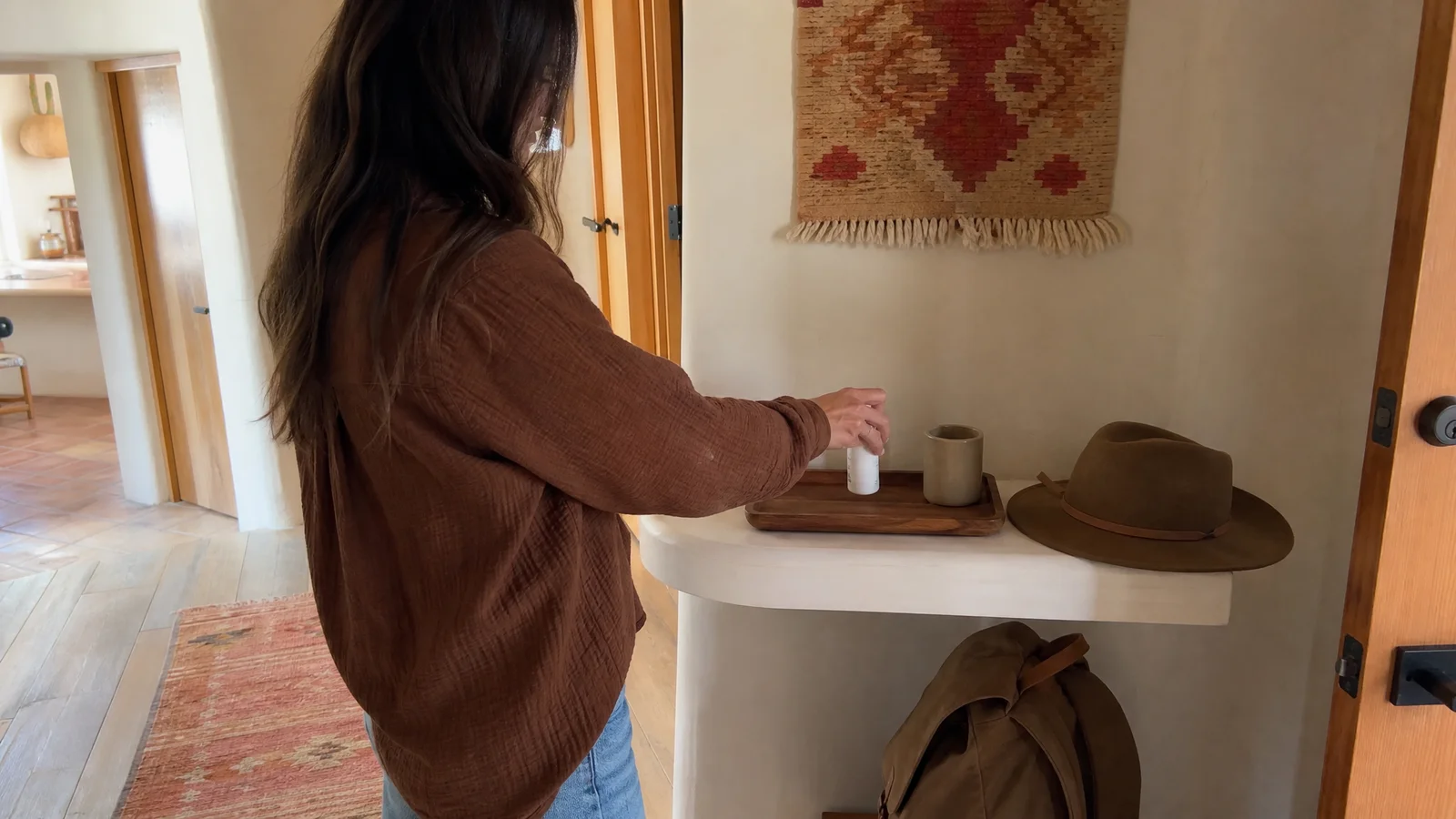
That short reach is a feature if you like a light hand. Place the scent where people actually sit, and it will read as fresh and clean instead of heavy.
One clarification, said once: we sell the steam-distilled essential oil, which is a scent ingredient. It is not a registered insect repellent, and we do not suggest it as one. If bugs are the point of your evening, a registered repellent from a pharmacy or outdoor shop is the right tool, and our articles on choosing a repellent and what EPA registration means explain how to pick one.
Start small and let your nose decide
Our habit is to start with less than you think you need. Set the scent up, then walk away for a minute and come back. That fresh first breath tells you more than standing next to it ever will, because after a short while your nose settles in and the scent seems to fade even when it has not.
If you stand a few steps from the spot and can just catch it, that is usually right for a porch. Anything you can smell from across the yard is probably more than anyone asked for.
The porch: flame-free works best
Porches have fabric, wicker and wood rails, and a breeze tips things over. For that reason we lean toward formats without a flame. A flameless wax warmer is one route, and a water-based room spray is another. If you make a spray, the Tisserand Institute notes that dissolving essential oil takes 95 to 100% ethanol (151 proof, about 75%, is the stated minimum), that vodka will not do it, and that a spray with water in it needs a preservative system. Our room and linen spray article walks through that arithmetic.
If you love candlelight, the U.S. Fire Administration suggests stable holders, at least 12 inches of clearance from anything that can burn, and offers flameless candles as an alternative. Its page cites an average of 20 home candle fires reported per day. Our patio candle article covers the pouring side.
The picnic: scent the setting, not the food
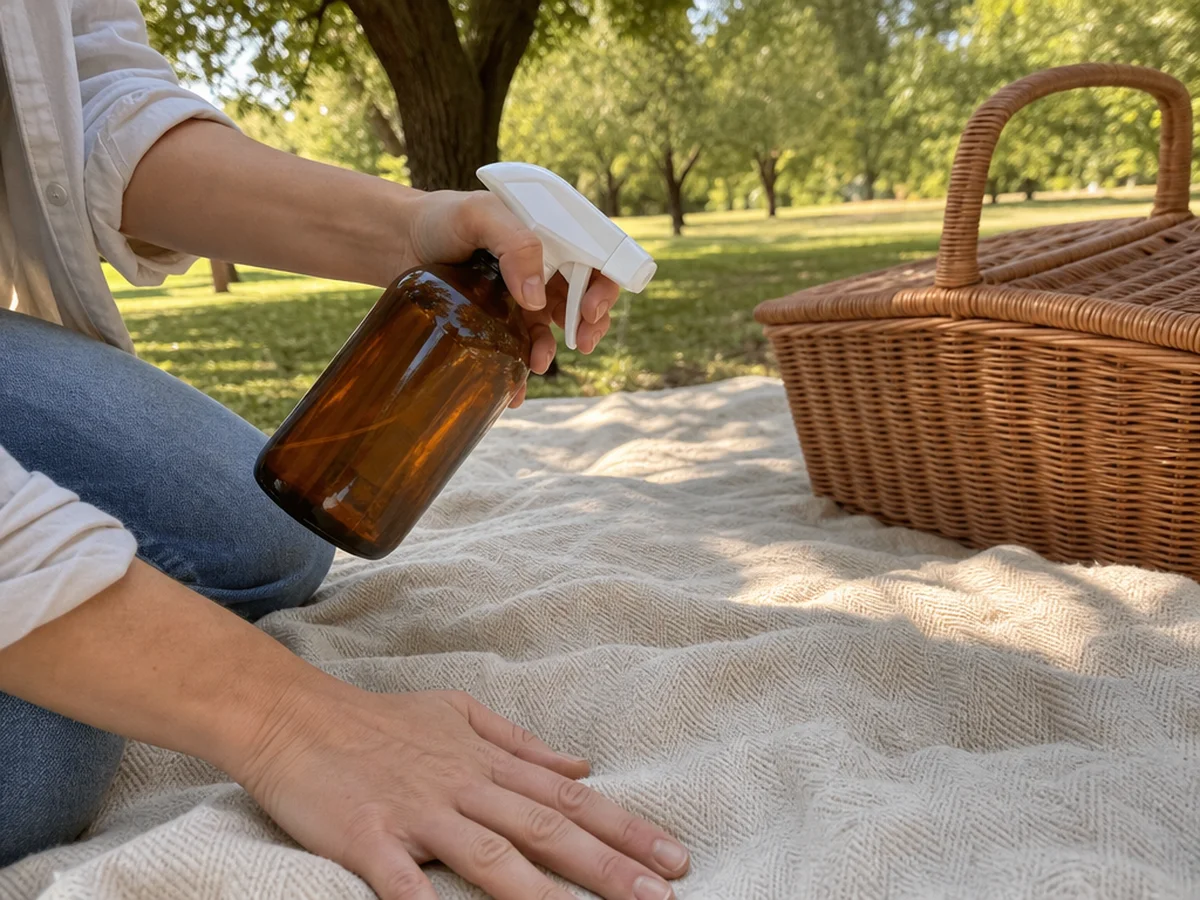
Food has its own aromas, and lemon eucalyptus oil is not a food ingredient, so it never belongs in drinks or dishes. A tidy approach is to scent a picnic blanket at home with a light linen spray, let it dry fully, and head out. The bottle of oil stays capped at home or, if it travels, rides sealed in a bag children and animals cannot open.
The campsite: let the lantern do the work
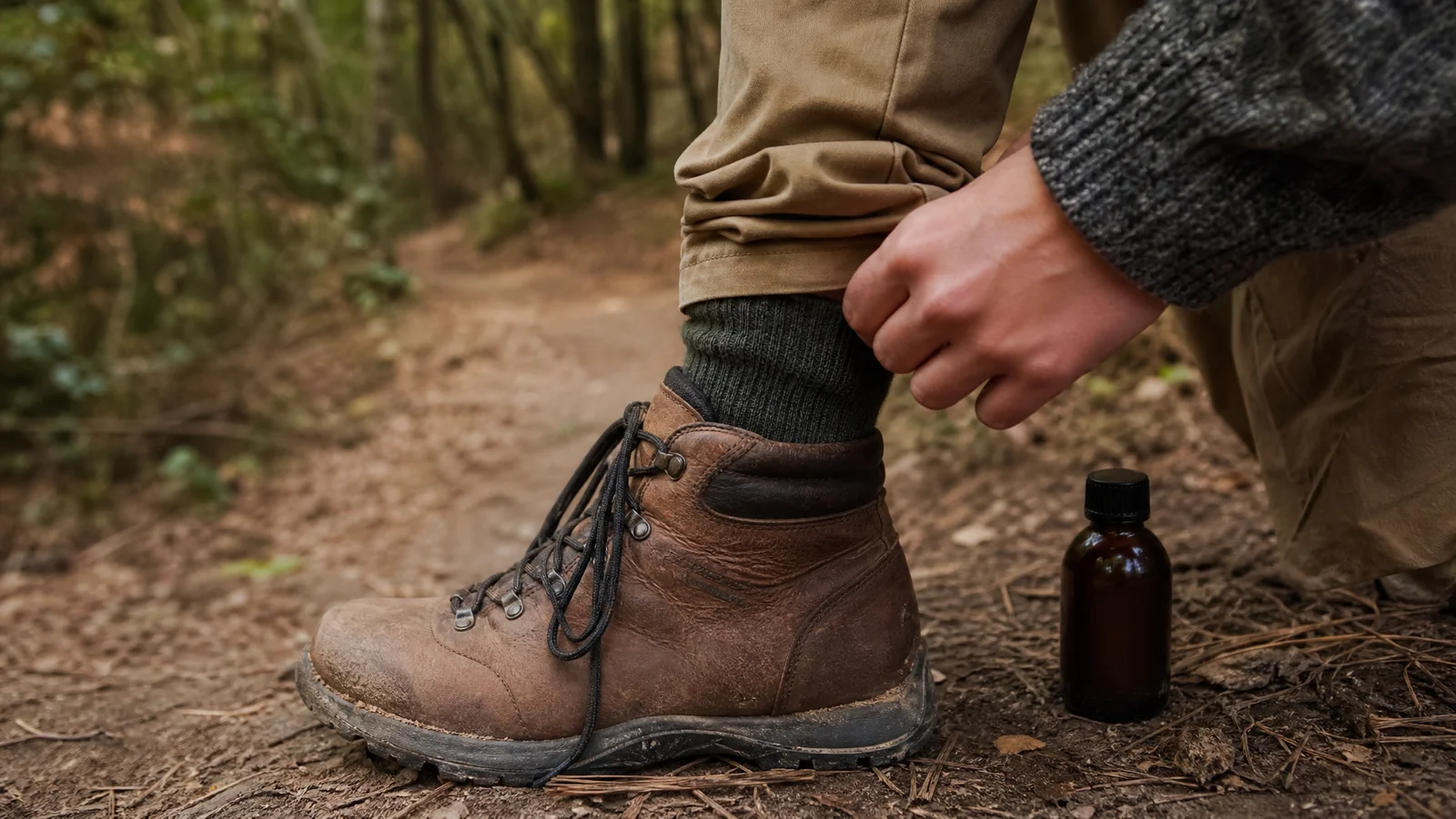
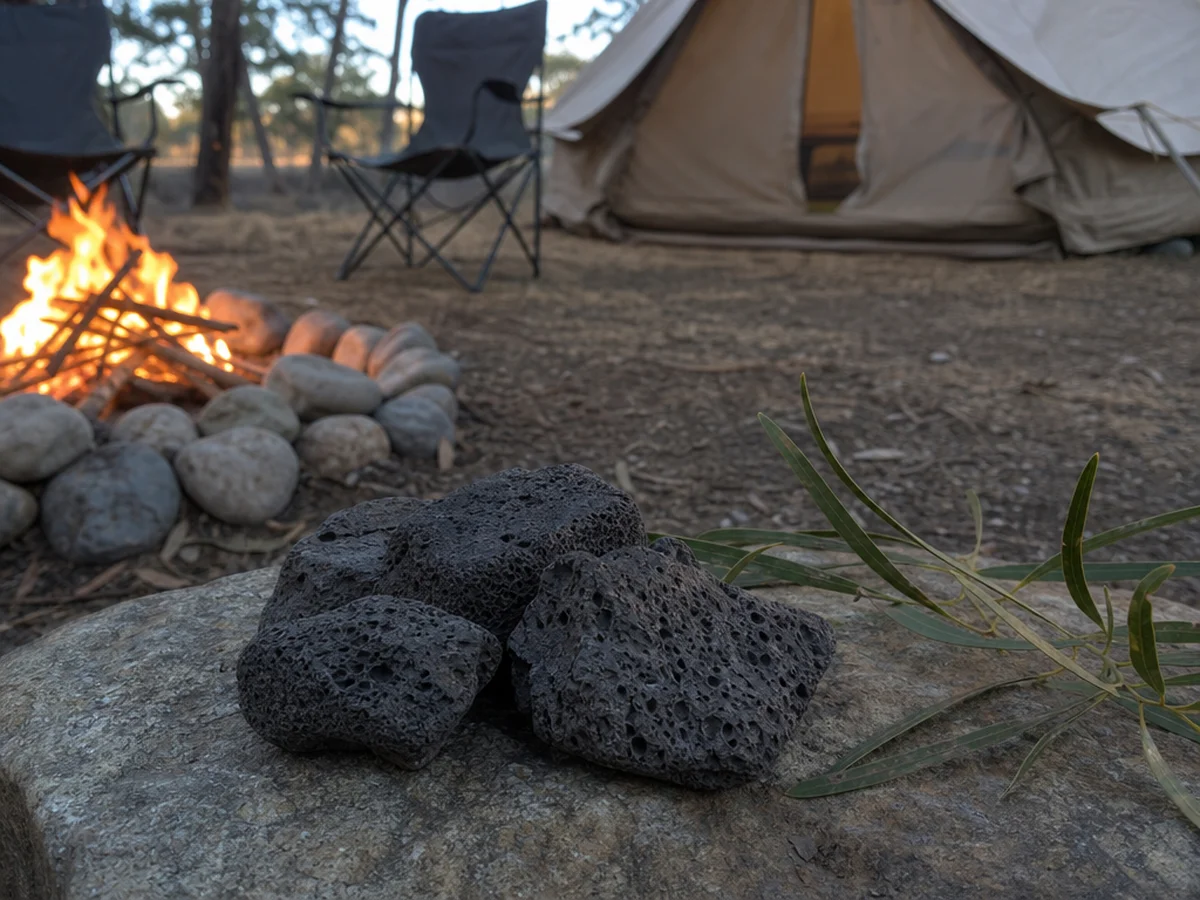
Canada's Hazardous Products (Tents) Regulations (an archived version) carry the precaution not to use candles, matches or open flames of any kind in or near a tent. That is a Canadian rule, but the sense of it travels everywhere: fabric and flame do not mix. Around camp we would put scent on a camp table, a sealed linen spray in the car or a bandana kept in a bag, and use a headlamp or battery lantern for light.
Heat matters at camp as well. A bottle left in a closed car or a sunny tent is the opposite of what we recommend: store it capped, cool and away from light. The Tisserand Institute says most essential oils stay good for at least one to two years before oxidation sets in, that more air in the bottle speeds it up, and that citrus oils can turn cloudy. We say typically 2 to 3 years unopened. Bringing only a small decanted bottle on a trip is a good habit for that reason, and our storage article shows how.
Four-legged friends on the porch
Many porches belong to dogs and cats, and sometimes birds. The ASPCA advises keeping diffusers away from pets, letting animals leave if a scent gets strong, and avoiding diffusers where a pet has a breathing problem. It adds that birds are more prone to respiratory effects and that cats may be more sensitive on the skin partly because they groom. Our cat article and dog article go deeper, and a veterinarian is the right person for a specific animal.
Skin and the usual cautions
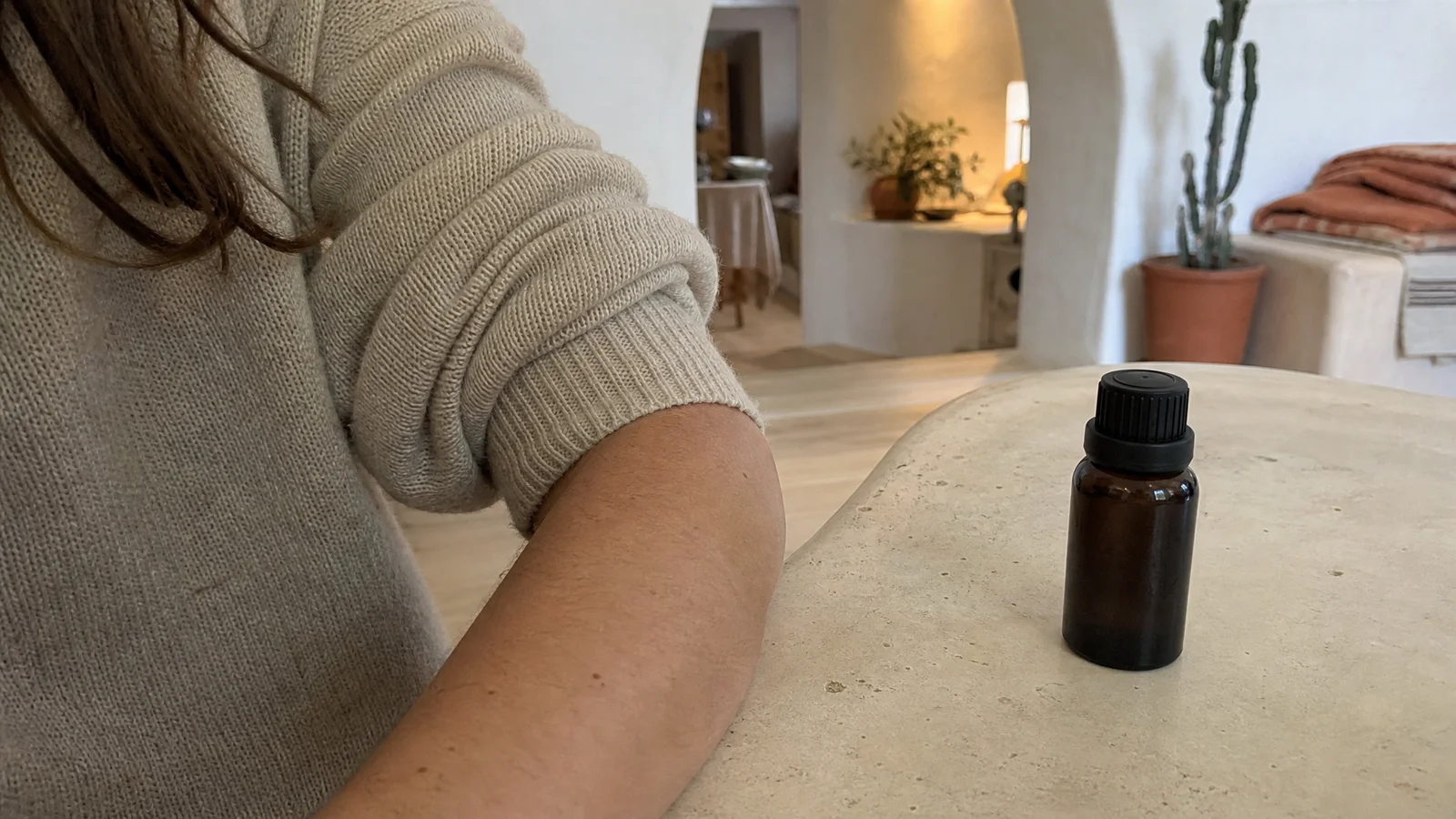
We keep this oil out of the picnic basket and off the skin by default. If you do dilute it for a body blend, we suggest 0.5% to 2% in a carrier oil with a patch test first, and since citronellal is a known skin sensitiser for some people, we start at the low end. Keep it away from eyes, children and pets, and do not take it internally.
A good summer plan, then, is short: decide where people will sit, pick a flame-free format, scent it at home, and keep the bottle cool. The lemon does the rest in the first few minutes, which is exactly when it is most lovely.
Lemon Eucalyptus Essential Oil
Lemon Eucalyptus Essential Oil from our own shop, in sizes from 0.5 oz to bulk.
From $9.99
Shop Now →Sources & Further Reading
- Perfume, Wikipedia
- Effective Use of Alcohol for Aromatic Blending, Tisserand Institute
- Candle Fire Safety, U.S. Fire Administration
- ARCHIVED - Hazardous Products (Tents) Regulations, Justice Laws Website, Government of Canada (SOR/90-245)
- Is my bottle of essential oil oxidized or no longer good to use?, Tisserand Institute
- Are Essential Oils Dangerous to Pets?, ASPCApro